


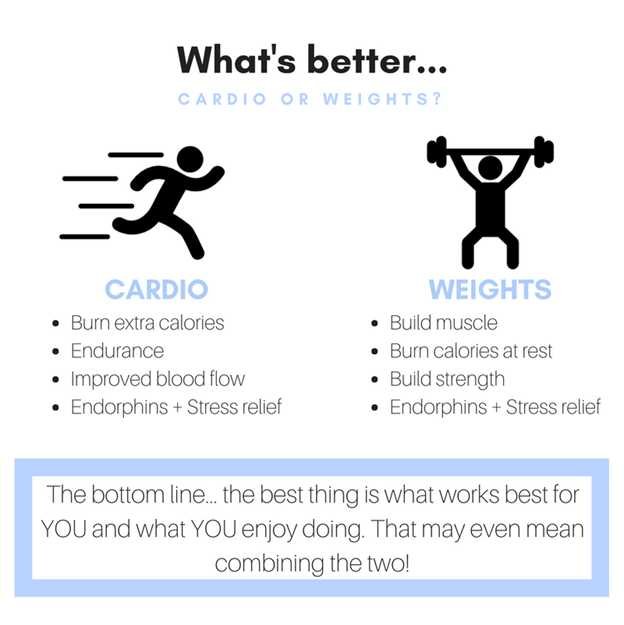
Cardio workouts generally burn more calories in a shorter period than weightlifting, but both play vital roles in fitness. If you’re aiming to maximize calorie burn quickly, cardio boosts your heart rate and burns more calories per session. However, incorporating weights helps build muscle, which can increase your resting metabolic rate over time. So, depending on your goals—whether it’s quick fat burning or long-term metabolic boost—the best approach often involves a mix of both.
In essence, cardio tends to burn more calories during the activity itself, while weights contribute to calorie burn afterward through muscle recovery. The ideal plan depends on your fitness goals, but understanding how each works can help you create a balanced routine.
Starting with a quick answer: cardio generally burns more calories during exercise, but strength training helps burn calories after the session and builds muscle that boosts metabolism. Now, let’s explore which method might be better suited for your fitness goals and how to get the most out of each.

Does Cardio or Weights Burn More Calories?
Understanding How Your Body Burns Calories
When you exercise, your body uses energy to fuel your movements. This energy comes from calories stored in foods. Different activities burn different amounts of calories depending on how intense they are and how long you do them. Both cardio and weight training increase calorie burn, but they do so in different ways.
What Is Cardio Exercise?
Cardio, short for cardiovascular exercise, involves activities that get your heart rate up. Examples include running, cycling, swimming, jumping rope, and brisk walking. These exercises are great for improving heart health and endurance.
How Does Cardio Burn Calories?
During cardio workouts, your body uses mainly carbohydrates and fats for energy. The harder and longer you exercise, the more calories you burn. For example, a 155-pound person might burn approximately 300 calories during 30 minutes of brisk walking.
Factors That Affect Cardio Calorie Burn
Several factors influence how many calories you burn during cardio:
- Exercise intensity
- Duration of workout
- Body weight
- Age and gender
Higher intensity or longer sessions lead to more calories burned.
What Is Weight Training?
Weight training, also called resistance training, involves lifting weights or using resistance bands. It helps build muscle strength and increases muscle size. Examples include lifting free weights, using weight machines, or doing bodyweight exercises like push-ups and squats.
How Does Weight Training Burn Calories?
While weight training may burn fewer calories during the workout compared to cardio, it continues to burn calories afterward. This is called the afterburn effect or excess post-exercise oxygen consumption (EPOC). Muscles also burn calories even when you’re resting, boosting your overall calorie expenditure over time.
Factors That Influence Calories Burned During Weights
Calories burned during weight training depend on:
- Number of sets and repetitions
- Rest periods between sets
- Type of exercises performed
- Weight lifted
- Body composition
Heavier weights and more intense sessions increase calorie burn.
Comparing Calories Burned: Cardio vs. Weights
Research shows that cardio generally burns more calories during exercise than weight training. A 30-minute session of running can burn between 240 to 355 calories for a person weighing 155 pounds. In contrast, weight training might burn about 112 to 266 calories in the same time frame.
What About The Afterburn Effect?
Weight training scores higher here because it elevates your metabolic rate longer after exercise. This means you keep burning calories even after your workout ends. Cardio also causes post-exercise calorie burn but to a lesser degree.
Which Is Better for Weight Loss?
If your main goal is burning calories quickly, cardio might be your best choice. However, combining both types of exercise provides the best results. Cardio helps burn lots of calories during the workout, while weight training builds muscle to boost resting metabolism.
Building Muscle To Burn More Calories
Muscle tissue uses more calories at rest than fat tissue. So, gaining muscle through weight training increases your overall calorie burn over time. This makes weight training an essential part of a balanced fitness routine aimed at weight loss.
Impact on Body Composition
While cardio helps reduce overall body weight, weight training improves body composition by decreasing fat and increasing muscle. A combination of both workouts leads to better results in shaping your body and improving health.
Balancing Cardio and Weight Training
For optimal calorie burn and fitness benefits, many experts recommend a mix of both. You could do cardio on some days and weight training on others. Alternating between the two keeps your workouts interesting and effective.
Sample Weekly Workout Plan
- Monday: Cardio session (running or cycling)
- Tuesday: Weight training (upper body)
- Wednesday: Rest or light activity
- Thursday: Cardio (swimming or brisk walking)
- Friday: Weight training (lower body)
- Saturday: Active recovery or fun activity
- Sunday: Rest
Which Exercise Is More Suitable for Beginners?
Beginners might find cardio easier to start with because it’s straightforward and doesn’t require special equipment. However, incorporating weight training can accelerate calorie burn and muscle development. Starting slow and building up intensity helps prevent injuries.
Tips for Incorporating Both into Your Routine
- Start with 2-3 cardio sessions and 2 weight training sessions per week.
- Gradually increase intensity or duration to challenge yourself.
- Maintain proper form to avoid injuries, especially during weights.
- Listen to your body and rest when needed.
In Summary: Which Burns More Calories?
While cardio burns more calories during the workout, weight training offers long-term benefits through increased resting metabolic rate. Your choice depends on your fitness goals, preferences, and physical condition. Combining both provides the best chance to burn calories effectively and improve overall health.
Related Topics for Further Reading
- How to create a balanced workout plan
- Best diets to complement your exercise routine
- Importance of nutrition in calorie burning
- Understanding muscle recovery and growth
This detailed comparison clarifies that both cardio and weights have unique advantages in burning calories. By understanding how each works and combining them wisely, you can maximize your efforts and achieve your fitness goals more efficiently.
Frequently Asked Questions
How does the intensity of exercise affect calorie burn in cardio versus weight training?
When you increase the intensity of your workout, both cardio and weight training burn more calories, but in different ways. High-intensity cardio, such as sprinting or interval training, significantly boosts calorie expenditure during and after exercise. Similarly, lifting heavier weights with fewer reps elevates calorie burn during the workout and creates an afterburn effect. The overall calorie burn depends on how vigorously you perform the activity and the duration involved.
Can weight training contribute to calorie burning even after the workout ends?
Yes, weight training can lead to increased calorie consumption after your session due to excess post-exercise oxygen consumption (EPOC). Lifting weights causes muscle micro-tears and stimulates repair processes that require energy, which keeps your metabolism elevated for hours post-exercise. This afterburn effect can help you burn additional calories compared to steady-state cardio of similar duration.
What role does body composition play in determining which exercise burns more calories?
Your muscle mass greatly influences how many calories your body burns during both cardio and weight training. More muscle tissue increases resting metabolic rate, making your body burn more calories even at rest. Therefore, individuals with higher muscle mass may find weight training more effective for burning calories, while those with less muscle might see greater calorie expenditure with sustained cardio activities.
Final Thoughts
Cardio exercises typically burn more calories during a workout compared to weights. However, weight training increases muscle mass, leading to higher calorie burn even at rest.
While cardio offers immediate calorie expenditure, weights boost overall metabolism over time.
In conclusion, does cardio or weights burn more calories? It depends on the workout duration and intensity, but cardio generally burns more calories during the activity. Incorporate both for balanced fitness benefits.
As an Amazon Associate, We earn from qualifying purchases. When you purchase a product through Amazon links on pulsefitguide.com, we may earn a small commission at no extra cost to you. This helps support the site and keep our content free.
