


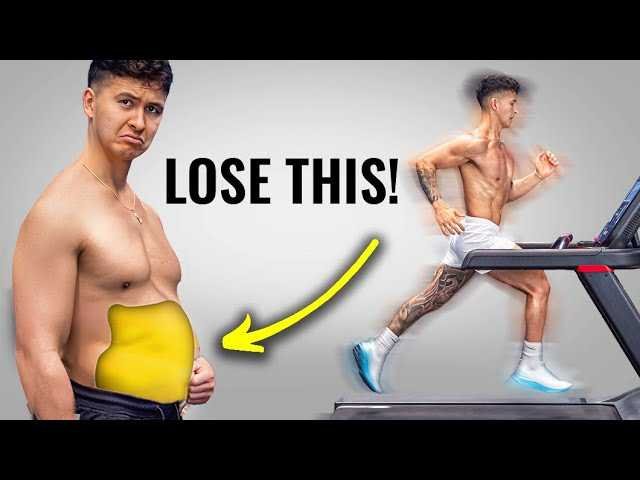
Yes, doing cardio can help burn fat, but it’s not the only factor involved. Cardio exercises are effective for increasing your heart rate and calorie expenditure, which in turn can lead to fat loss when combined with proper diet and overall activity. So, if you’re looking to shed those stubborn pounds, incorporating regular cardio sessions is a smart move.
Engaging in cardio workouts like running, cycling, or swimming is a popular way to torch calories and target fat stores. Many people wonder if cardio alone can melt away fat completely, or if they need other routines. The truth is, cardio plays a significant role in fat burning, but it works best when paired with strength training and a balanced diet. Understanding how cardio impacts fat loss can help you tailor a more effective fitness plan that gets you closer to your goals.

Does Doing Cardio Burn Fat? An In-Depth Look
Understanding How Cardio Works
Cardio exercises increase your heart rate and breathing. They include activities like running, cycling, swimming, and brisk walking. These activities make your body work harder, which helps burn calories.
When you do cardio, your body primarily uses carbohydrates and fat for energy. The proportion depends on the intensity and duration of your workout. Lower intensity exercises often burn more fat compared to high-intensity ones.
How Fat Burning Happens During Cardio
During physical activity, your body’s energy sources shift. In less intense workouts, your body favors fat because it provides steady energy. As the workout intensifies, carbohydrate use increases because it supplies energy quickly.
The body’s fat-burning process involves breaking down stored fat into fatty acids and glycerol. These components then travel to muscles and are converted into energy. This process is called lipolysis.
Intensity and Duration: Key Factors
The level of intensity plays a significant role in how much fat you burn. Moderate-paced cardio, such as walking at a brisk pace, tends to burn a higher percentage of fat calories.
Duration also matters. Doing cardio for longer periods, generally over 30 minutes, increases total calorie burn. This extended activity allows your body to access fat stores for energy more effectively.
Low to Moderate Intensity Cardio
Activities like slow jogging, walking, or cycling at a gentle pace fall into this category. They are ideal for beginners and for those wanting to burn fat without overexertion.
These exercises often keep your heart rate at about 50-70% of your maximum. This zone is called the “fat-burning zone” because a larger percentage of calories burned come from fat.
High-Intensity Cardio
Activities such as sprinting, high-intensity interval training (HIIT), or fast cycling are examples. They push your heart rate above 80% of the maximum, burning more total calories.
Although the percentage of calories from fat decreases during high-intensity workouts, total calorie burn is higher, which can lead to greater fat loss overall.
Post-Exercise Fat Burn and EPOC
After high-intensity workouts, your body continues to burn calories at an elevated rate. This phenomenon is called excess post-exercise oxygen consumption (EPOC).
EPOC helps burn additional calories even after your workout ends. The intensity of your workout influences how long your metabolism stays elevated, impacting fat loss.
What About Total Calorie Burn?
Losing fat depends on burning more calories than you consume. Cardio contributes to calorie expenditure, which supports weight loss.
A key point is that even if fat burning during exercise from low-intensity cardio seems modest, the total calorie burn over time plays a major role in losing body fat.
How Many Calories Do You Burn?
The number varies based on factors like weight, age, gender, and workout intensity. For example:
| Activity | Calories Burned per 30 Minutes (for a 155-pound person) |
|---|---|
| Walking (3.5 mph) | 140 |
| Jogging (5 mph) | 240 |
| Cycling (12-14 mph) | 300 |
| Sprinting or HIIT | 400+ |
This shows that more intense exercises burn more calories, which can enhance fat loss when combined with proper diet.
Combining Cardio with Strength Training
While cardio burns calories during activity, strength training builds muscle mass. More muscle increases resting metabolic rate, helping your body burn more fat in the long run.
A balanced fitness routine includes both cardio and strength exercises. This approach maximizes fat loss and improves overall health.
Nutrition and Cardio
Diet plays a vital role in fat loss alongside cardio. Consuming fewer calories than you burn creates a calorie deficit, leading to fat reduction.
Eating balanced meals with adequate protein, healthy fats, and carbohydrates supports your workouts and recovery. Proper nutrition enhances the fat-burning effects of cardio.
Myth Busting: Cardio Alone Doesn’t Guarantee Fat Loss
Many believe cardio is enough to burn fat fast. However, exercise alone isn’t enough without a good diet. Combining cardio with healthy eating produces better results.
It’s also important to manage stress, get enough sleep, and stay consistent with your workouts for optimal fat burning.
Additional Tips for Effective Fat Burning
- Maintain a regular cardio schedule, aiming for at least 150 minutes of moderate activity weekly.
- Mix different types of cardio to prevent plateaus and keep your workouts interesting.
- Gradually increase intensity and duration to challenge your body and promote fat loss.
- Stay hydrated and wear appropriate gear for comfort and safety.
- Track your progress to stay motivated and adjust your routine as needed.
Related Topics to Explore
Interval Training and Fat Loss
Short bursts of intense activity followed by recovery periods can boost calorie burn and improve cardiovascular health. This method is especially effective for burning fat efficiently.
Diet Strategies for Maximizing Fat Burn
Practices like intermittent fasting, reducing refined carbs, and increasing protein intake support fat loss and enhance workout results.
Understanding Body Composition
Focusing on reducing body fat percentage rather than just weight helps you achieve a leaner, healthier physique. Combining cardio with strength training is crucial here.
Lifestyle and Fat Loss
Getting enough sleep and managing stress influence hormones that regulate hunger and fat storage. Healthy habits complement your workout efforts for better results.
Summary
Doing cardio burns calories and can assist in fat loss, especially when combined with proper diet and strength training. The key is consistency, variety, and managing intensity and duration based on your goals.
Each type of cardio offers benefits, whether it’s burning fat during the activity or increasing calorie expenditure afterward. Remember, combining fitness strategies with a healthy lifestyle delivers the best results in your fat-burning journey.
Frequently Asked Questions
How does cardio influence fat loss compared to other exercise forms?
Cardio exercises increase your heart rate, which helps burn calories more quickly than many other activities. This elevated calorie expenditure encourages your body to use stored fat as energy over time, especially when combined with proper diet and strength training. While other exercise types also support fat loss, cardio is particularly effective for burning a significant amount of calories in a shorter period.
Can consistent cardio workouts help reduce body fat percentage?
Yes, performing regular cardio sessions can lead to a lower body fat percentage. Consistency is key, as sustained activity helps create a calorie deficit, prompting your body to break down fat stores for energy. Over weeks and months, this reduction in body fat becomes more noticeable, especially when paired with a balanced nutrition plan.
Is there a specific type of cardio that’s more effective for burning fat?
Depending on your fitness level and goals, different types of cardio can be effective. For example, high-intensity interval training (HIIT) often burns more calories in less time and has a significant impact on fat loss. Steady-state cardio, like jogging or cycling at a moderate pace, also contributes to fat burning over longer durations. Combining various methods can maximize results.
How long should I do cardio to see fat-burning results?
Most experts recommend aiming for at least 150 minutes of moderate-intensity cardio, such as brisk walking or cycling, per week. For more rapid fat loss, increasing to 300 minutes may be beneficial. The key is consistency and gradually increasing your workout duration and intensity to avoid plateaus and injury.
Are there any precautions I should take when doing cardio for fat loss?
It’s important to warm up before starting your cardio sessions and cool down afterward to prevent injuries. Listen to your body and avoid overtraining, which can lead to fatigue or injury. If you have any health concerns or conditions, consult a healthcare professional before beginning a new cardio routine. Balancing cardio with strength training and proper nutrition enhances fat loss safely.
Final Thoughts
Doing cardio can help burn calories and reduce body fat when paired with proper diet and strength training. It increases your heart rate, boosting energy expenditure during and after exercise. However, fat loss depends on creating a calorie deficit over time.
In conclusion, does doing cardio burn fat? Yes, it contributes to fat reduction, but consistent effort and a balanced lifestyle are essential for optimal results.
As an Amazon Associate, We earn from qualifying purchases. When you purchase a product through Amazon links on pulsefitguide.com, we may earn a small commission at no extra cost to you. This helps support the site and keep our content free.
