


Fasting cardio can be effective for burning fat, but its success depends on your personal goals and how you implement it. It often leads to increased fat oxidation, but it may not be suitable for everyone or sustainable in the long run. Ultimately, it’s a tool that can work for some, but consistency and overall diet matter just as much.
In short, fasting cardio can help burn fat faster for some individuals, especially when done properly. However, it’s not a one-size-fits-all solution, and the benefits vary from person to person. Understanding your body and listening to how it responds is key to making fasting cardio work for you.
Starting your fitness journey with fasting cardio can be tempting because of its promises to accelerate fat loss. Many people wonder if skipping breakfast before a workout boosts fat burning or if it’s just a myth. Well, the answer isn’t black and white—while fasting cardio might enhance fat breakdown, it can also lead to decreased energy and performance, making your workout less effective. The best approach depends on your fitness level, how your body reacts to fasting, and your overall lifestyle. Some find it motivating and efficient, while others struggle with low energy or hunger. Exploring different strategies and listening to your body can help you determine if fasting cardio fits into your routine and helps you achieve your goals.

Does Fasting Cardio Work? An In-Depth Look
Understanding Fasting Cardio
Fasting cardio involves doing cardiovascular exercise on an empty stomach, usually in the morning. Many people believe that exercising without eating beforehand can help burn more fat. The idea is that when your body has no recent food intake, it taps into stored fat for energy instead of relying on food calories. This method has gained popularity among those aiming to lose weight quickly.
How Does Fasting Cardio Differ from Regular Cardio?
Regular cardio is often done after eating or at any time during the day with a meal in your system. Fasting cardio, on the other hand, happens when you have not eaten for several hours, typically after an overnight fast. The key difference is the state of your energy reserves and how your body accesses fat stores during exercise.
Does Fasting Cardio Increase Fat Burning?
Many studies suggest that fasting cardio can increase fat oxidation during workouts. When you exercise in a fasted state, your body relies more on fat for energy because glycogen stores are lower. This can potentially result in a higher percentage of fat being burned compared to fed cardio.
What Does Scientific Research Say?
Research is mixed but indicates some benefits. Some studies show that fasted workouts lead to greater fat loss over time. However, other research finds no significant difference between fasted and fed cardio regarding overall fat loss. The effect often depends on workout intensity, duration, and individual factors.
How Fasting Cardio Affects Performance
A common concern is whether fasting cardio decreases workout performance. Exercising with low glycogen levels can make high-intensity workouts feel harder. Some individuals may experience decreased stamina or strength, especially during longer or more intense sessions.
Impact on Endurance and Strength
Fasted cardio might reduce your ability to perform at maximum power. If you do high-intensity intervals or heavy lifting after fasting, you might notice reduced performance. For moderate or low-intensity exercises, most people find their energy levels are acceptable.
Adjusting Duration and Intensity
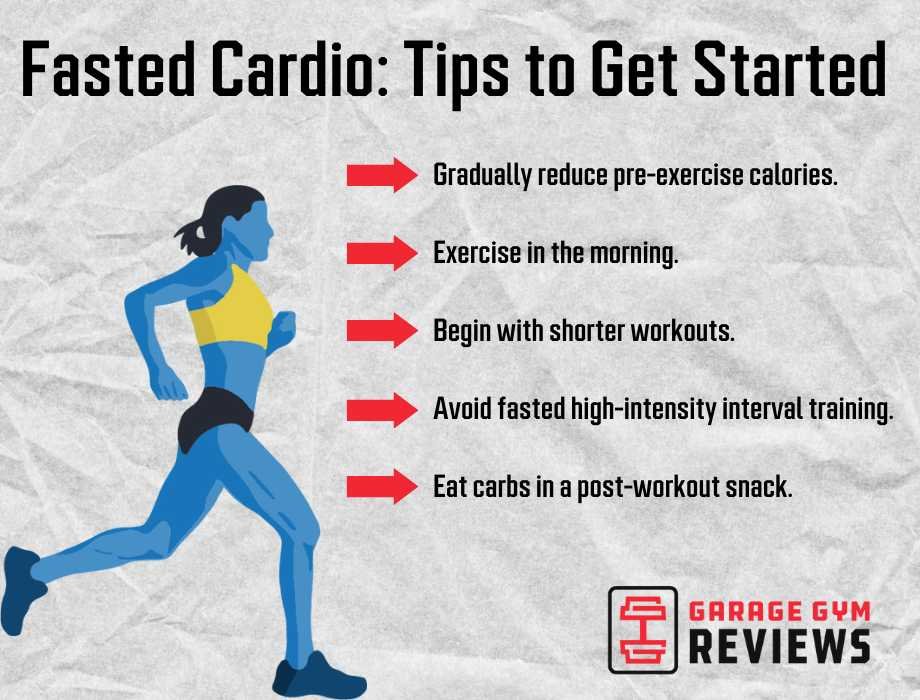
To get the best results without feeling drained, consider doing shorter or less intense sessions during fasting. For example, 30-minute moderate walks or light jogging are suitable choices. For more intense workouts, eating beforehand might help maintain energy.
Is Fasting Cardio Safe for Everyone?
While fasting cardio can be beneficial for many, it may not suit everyone. People with certain medical conditions, those who are pregnant, or individuals with a history of disordered eating should consult a healthcare professional first.
Possible Risks of Fasting Cardio
Some risks include dizziness, fatigue, or feeling faint during exercise. If fasting causes you to feel unwell, it is better to eat a light snack before working out. Listening to your body is essential to avoid negative effects.
Optimal Timing and Duration of Fasting Cardio
The best time for fasting cardio is generally first thing in the morning after waking up. This period ensures you’re in a fasted state and can maximize fat burning during your workout.
Ideal Duration for Fasted Workouts
Research suggests that 30 to 45 minutes is effective for fasted cardio. Longer sessions might lead to fatigue or muscle loss if not properly managed. Keep workouts moderate to maintain energy and motivation.
Combining Fasting Cardio with Other Strategies
For overall fat loss, combining fasting cardio with strength training, proper nutrition, and adequate hydration offers the best results. Balancing cardio with rest days helps prevent overtraining and injuries.
Nutrition Tips to Support Fasted Cardio
Stay hydrated with water or electrolyte drinks. After your workout, replenish with a balanced meal containing protein, healthy fats, and complex carbs. This aids muscle recovery and maintains energy levels.
Sample Routine for Fasting Cardio
- Wake up early and hydrate
- Perform 30-minute moderate-intensity exercise such as brisk walking or light jogging
- Post-workout, have a nutritious breakfast with proteins and complex carbs
- Maintain regular meals throughout the day to support recovery and energy
Pros and Cons of Fasting Cardio
- Pros: Increased fat oxidation, convenience of morning workouts, potential for better hormonal response
- Cons: Possible reduced workout performance, risk of dizziness or fatigue, not suitable for everyone
Common Myths About Fasting Cardio
Many believe fasting cardio guarantees faster fat loss, but this is a myth. Effectiveness depends on total calorie expenditure and intake over time. Fasting does not necessarily lead to greater long-term weight loss without proper diet management.
Final Thoughts: Does Fasting Cardio Work?
Fasting cardio can be effective for some, especially those looking to improve fat burning. However, it is not a one-size-fits-all solution. Factors such as individual goals, workout intensity, and overall diet play significant roles in its success.
This method may help boost fat loss, but it’s important to listen to your body. Combining fasting cardio with good nutrition and regular exercise creates the best chances for reaching your fitness goals. Remember, consistency is key, and selecting what works best for your lifestyle will yield the best results over time.
Frequently Asked Questions
How does fasting cardio influence fat burning during exercise?
Fasting cardio can potentially increase fat utilization because glycogen stores are lower after fasting, prompting the body to tap into fat reserves for energy. However, the effectiveness varies based on individual factors like fitness level and exercise intensity. Some individuals experience better fat loss with fasted workouts, but others may struggle with reduced energy and performance.
Are there risks associated with doing cardio while fasting?
Performing cardio on an empty stomach may cause dizziness, weakness, or low blood sugar levels in some people. It’s important to listen to your body and avoid pushing too hard. Staying hydrated and starting with moderate intensity can help minimize risks. Consult a healthcare professional before making fasting a routine part of your exercise plan, especially if you have underlying health conditions.
Can fasting cardio negatively impact workout performance?
Fasting cardio might cause a decrease in endurance and strength during exercise because glycogen stores are depleted. This can lead to reduced intensity and longer recovery times. To mitigate this, some prefer to do lighter sessions or have a small, easily digestible meal before working out. Monitoring how your body reacts helps find the right balance between fasting and performance.
Final Thoughts
Fasting cardio can be effective for fat loss, but results vary per individual. It often helps increase fat oxidation since your body uses stored fat for energy. However, some may experience reduced performance or fatigue during exercise.
Whether fasting cardio works depends on consistency and personal response. For some, it boosts weight loss; for others, it may hinder workout quality. Overall, it’s worth trying to see how your body reacts.
As an Amazon Associate, We earn from qualifying purchases. When you purchase a product through Amazon links on pulsefitguide.com, we may earn a small commission at no extra cost to you. This helps support the site and keep our content free.
