


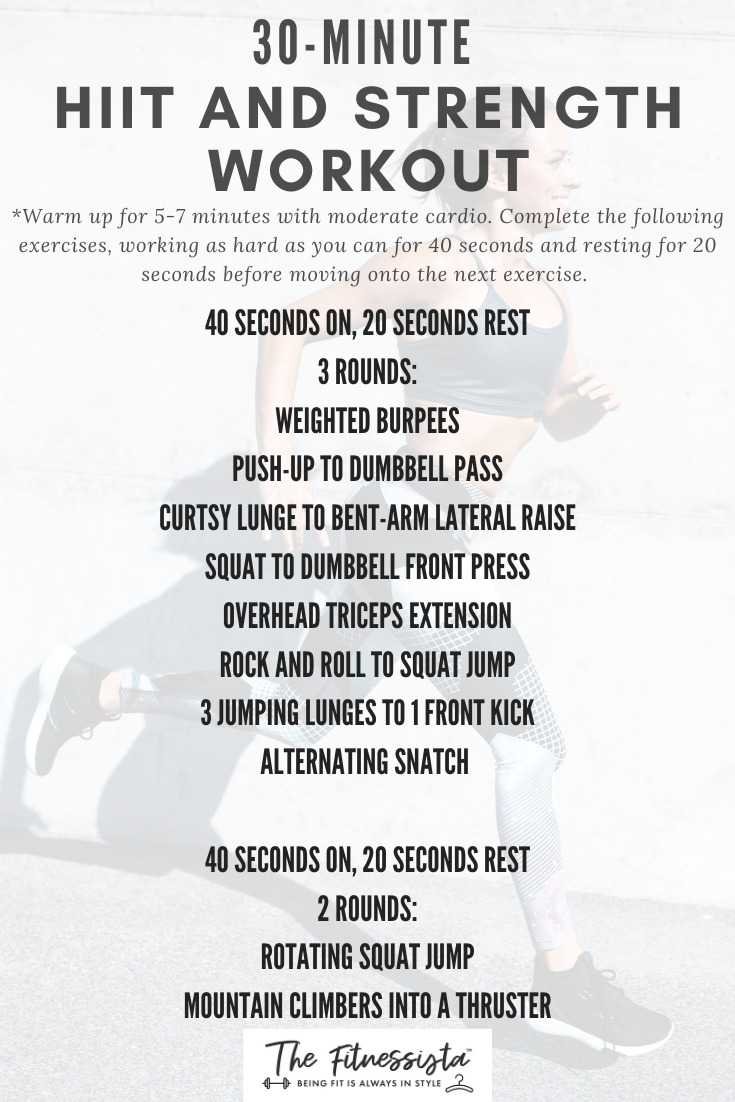
To get the best results, combining HIIT cardio with strength training is highly effective—HIIT boosts your cardio endurance while strength training builds muscle and strength. Doing both regularly can maximize fat loss, improve athletic performance, and enhance overall fitness.
In short, blending high-intensity interval training with strength exercises offers a balanced approach to fitness that delivers quick results and long-term health benefits. This combination keeps workouts dynamic and time-efficient, making it ideal for busy schedules and varied goals. Whether you aim to burn fat, tone muscles, or increase stamina, understanding how to integrate HIIT and strength training can transform your fitness routine and help you achieve your goals faster.
Jumping into fitness routines that blend HIIT cardio with strength training can seem overwhelming at first, but once you understand how they complement each other, you’ll see how powerful this combo is. HIIT elevates your heart rate through short bursts of intense activity, while strength training helps sculpt and strengthen muscles. Together, they create a workout that is not only efficient but also engaging, ensuring steady progress and preventing boredom. If you’re looking to burn fat quickly, boost your metabolism, or build lean muscle, combining these methods is a smart, effective strategy to elevate your fitness journey.

HIIT Cardio and Strength Training: A Complete Guide
What Is HIIT Cardio and Why Is It Popular?
HIIT stands for High-Intensity Interval Training. It involves short bursts of intense exercise followed by brief recovery periods. Many people prefer HIIT because it offers quick results and can fit into busy schedules.
How Does HIIT Boost Your Fitness?
HIIT improves cardiovascular health by pushing your heart rate high during workouts. It also helps burn a lot of calories in a short amount of time, making it effective for fat loss. Additionally, HIIT boosts your endurance and enhances your metabolic rate even after you finish exercising.
Key Components of a HIIT Workout
- Intensity: Exercises should be near maximum effort.
- Intervals: Alternating between work and rest periods.
- Duration: Typically lasting from 15 to 30 minutes.
Popular Exercises for HIIT Cardio
Some exercises work well for HIIT sessions because they engage multiple muscle groups. Examples include:
- Jump squats
- Burpees
- Sprints
- Mountain climbers
- High knees running in place
Designing an Effective HIIT Cardio Routine
A typical session involves performing an exercise at maximum effort for 20 to 40 seconds, followed by 10 to 20 seconds of rest. Repeat this cycle for about 10 to 20 rounds. Adjust the work and rest times based on your fitness level.
Benefits and Risks of Combining HIIT Cardio with Strength Training
Integrating strength training into your HIIT routine offers numerous benefits. It helps build muscle while burning calories, leading to a leaner physique. However, overtraining or inadequate rest can increase injury risk. Proper planning keeps your workouts safe and effective.
Strength Training: Building Muscle and Strength
Strength training involves resistance exercises that make your muscles work harder than usual. It increases muscle mass, enhances bone density, and boosts overall strength.
Types of Strength Training Exercises
Some popular strength exercises include:
- Bodyweight exercises (push-ups, lunges, planks)
- Free weights (dumbbells, kettlebells)
- Resistance machines
- Elastic bands
The Role of Strength Training in a HIIT Program
Adding strength moves into your HIIT sessions creates a circuit that targets both cardio and muscular endurance. For example, combining burpees with push-ups works multiple muscles and keeps your heart rate high.
Sample HIIT and Strength Workout Plan
Here’s a simple example:
- Jump squats – 30 seconds
- Rest – 15 seconds
- Push-ups – 30 seconds
- Rest – 15 seconds
- Mountain climbers – 30 seconds
- Rest – 15 seconds
- Plank hold – 30 seconds
Repeat the cycle 3 to 4 times depending on fitness level.
Tips for Combining HIIT Cardio and Strength Training Effectively
– Always warm up before starting your session to prevent injuries.
– Maintain proper form during exercises to maximize benefits and reduce risks.
– Incorporate variety to prevent plateaus and keep workouts interesting.
– Listen to your body and include rest days to allow recovery.
– Gradually increase intensity or duration as your fitness improves.
Additional Considerations for Success
Using proper nutrition complements your HIIT and strength training efforts. Consume adequate protein to support muscle repair and stay hydrated. Tracking progress can motivate you and help adjust your routines over time.
Related Topics to Explore
Benefits of Combining Cardio and Strength Training
How to Progress in HIIT and Strength Workouts
Best Equipment for HIIT and Strength Training at Home
Preventing Injuries During High-Intensity Workouts
Combining HIIT cardio and strength training creates a balanced and efficient workout routine. It helps you burn calories, build muscle, improve endurance, and boost overall health. Stick with a consistent plan, listen to your body, and watch as your fitness levels improve steadily over time.
Frequently Asked Questions
How often should I incorporate HIIT cardio and strength training into my routine?
For optimal results, aim to include HIIT cardio and strength workouts at least three to four times per week. You can alternate focusing on cardio and strength or combine both within the same session. It’s important to listen to your body, allowing sufficient rest days to recover and prevent overtraining. Balancing these workouts with proper nutrition and sleep maximizes their benefits and helps you stay consistent.
What are the benefits of combining HIIT cardio with strength training?
Combining HIIT cardio with strength training enhances overall fitness by improving cardiovascular endurance and muscle strength simultaneously. This approach boosts calorie burn during and after workouts, supports fat loss, and increases muscle tone. Additionally, integrating both types of exercises can lead to better metabolic health, improved stamina, and more efficient workout sessions, making your fitness routine more effective.
Should I do cardio and strength training in the same session or on different days?
You can do both in the same session or on separate days depending on your goals and schedule. Doing them together in a single session can maximize calorie burn and time efficiency, especially if you perform circuit-style workouts. On the other hand, dividing them allows you to focus more intensely on each aspect, which can benefit strength development or cardiovascular improvements. Choose the approach that aligns best with your fitness level and personal preferences.
What precautions should I take when starting HIIT and strength training workouts?
Begin with lower intensity and gradually increase the difficulty to prevent injury. Ensure proper warm-up and cool-down to prepare your muscles and aid recovery. Use correct form during exercises and consider consulting a fitness professional to learn proper techniques. Pay attention to your body’s signals, and rest if you experience pain or excessive fatigue. Staying hydrated and maintaining a balanced diet also support your training progress.
Final Thoughts
In conclusion, incorporating hiit cardio and strength training into your routine offers efficient and effective workouts. Combining these methods boosts endurance, builds muscle, and burns calories quickly. Consistency in both types of training maximizes results and improves overall fitness. Emphasizing both cardio and strength ensures a balanced approach to health and wellness.
As an Amazon Associate, We earn from qualifying purchases. When you purchase a product through Amazon links on pulsefitguide.com, we may earn a small commission at no extra cost to you. This helps support the site and keep our content free.
