


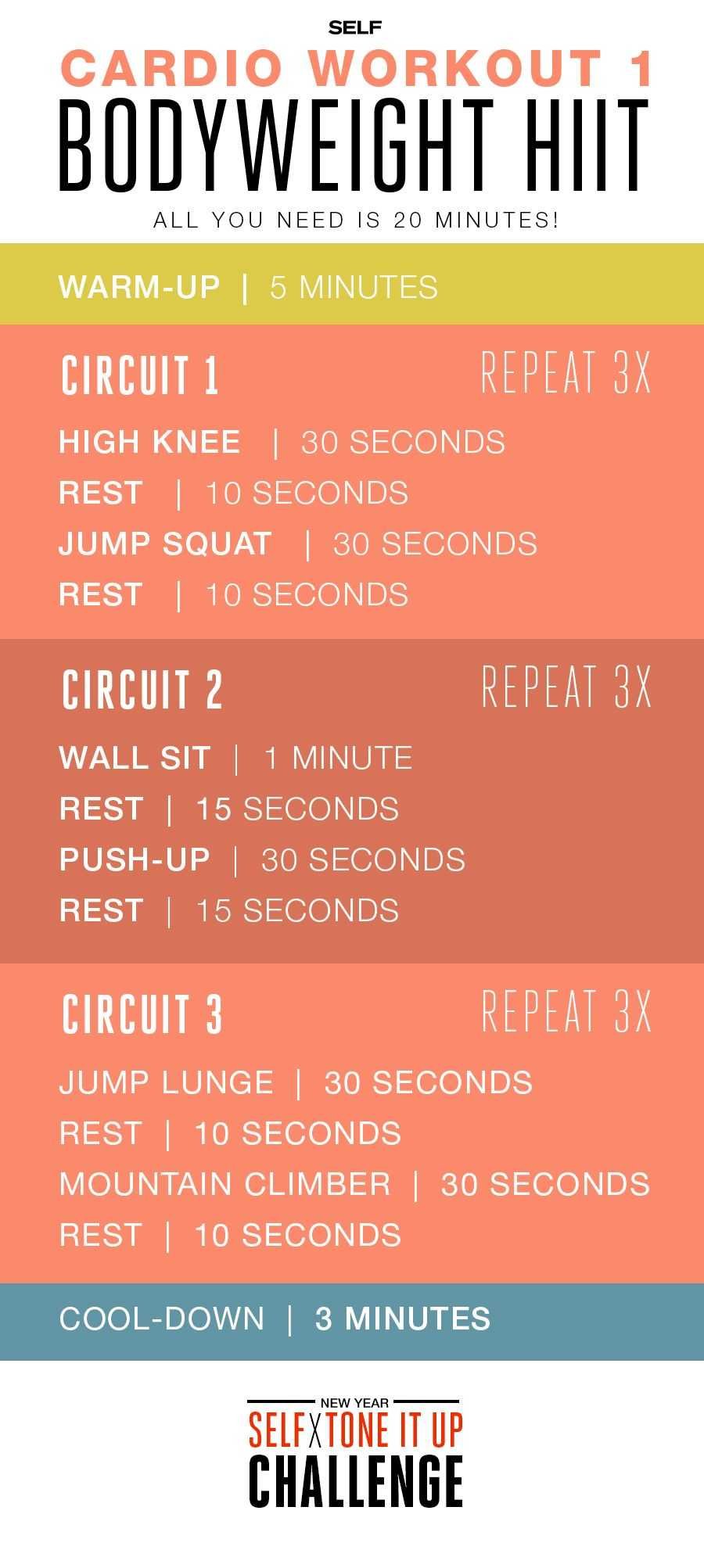
Looking for a quick, effective way to boost your fitness and torch calories? High-Intensity Interval Training (HIIT) workouts are the answer you’ve been searching for. These fast-paced sessions combine short bursts of intense exercise with recovery periods, making them perfect for fitting into a busy schedule. Not only do HIIT workouts elevate your heart rate and improve cardiovascular health, but they also help burn fat more efficiently than traditional cardio. Whether you’re aiming to lose weight, build stamina, or simply stay active, HIIT offers a versatile and powerful solution. In this article, we’ll explore how these workouts work, their benefits, and some tips to get started, so you can make the most of your cardio routine and see results faster.
**Summary:** HIIT workouts are short yet intense exercise sessions that maximize calorie burn and cardiovascular health. They are ideal for busy individuals seeking quick, effective cardio that delivers noticeable results in less time.

HIIT Workouts Cardio: The Ultimate Guide to Effective High-Intensity Training
What is HIIT Cardio and How Does It Work?
High-Intensity Interval Training, or HIIT, is a workout style that alternates between short bursts of intense exercise and periods of rest or low activity. This method pushes your heart rate high during the work intervals, then allows it to recover during the rest periods. The goal is to maximize calorie burn and improve cardiovascular fitness in a shorter amount of time.
During HIIT cardio, your body uses both aerobic and anaerobic energy systems. This leads to increased metabolism even after the workout ends, known as the afterburn effect or excess post-exercise oxygen consumption (EPOC). It makes HIIT highly efficient for fat loss and endurance building.
Benefits of Incorporating HIIT Workouts Cardio into Your Routine
- Time Efficiency: Complete a full workout in about 15 to 30 minutes, ideal for busy schedules.
- Enhanced Fat Burn: Burn more calories in less time compared to steady-state cardio.
- Improved Cardiovascular Fitness: Increase your heart’s ability to pump blood and use oxygen effectively.
- Muscle Preservation: Unlike long-duration workouts, HIIT helps maintain muscle mass while burning fat.
- Versatility: Adaptable to various fitness levels and can be performed with or without equipment.
Key Components of an Effective HIIT Cardio Workout
Choosing the Right Exercises
Effective HIIT routines include activities that elevate your heart rate quickly and can be performed at high intensity. Examples include sprinting, jump squats, burpees, mountain climbers, and cycling sprints. Mix different exercises for variety and full-body engagement.
Determining Work and Rest Intervals
Typical work intervals last between 20 to 45 seconds, followed by rest periods of equal or slightly longer duration. For beginners, start with 20 seconds of work and 40 seconds of rest, gradually increasing intensity as fitness improves.
Setting the Number of Rounds
A complete HIIT session may include 4 to 8 rounds, depending on fitness levels. The total workout duration usually stays between 15 to 30 minutes for optimal benefits without overtraining.
Importance of Warm-Up and Cool-Down
Always spend 5 minutes warming up with light cardio and stretching before starting. Cool down with gentle stretching to promote recovery and reduce muscle soreness.
Designing Your Own HIIT Cardio Routine
Beginner Level
- Warm-up: 5 minutes brisk walking or jogging
- Work: 20 seconds jumping jacks
- Rest: 40 seconds walking in place
- Repeat: 8 rounds
- Cool-down: 5 minutes stretching
Intermediate Level
- Warm-up: 5 minutes dynamic stretching
- Work: 30 seconds sprinting or high knees
- Rest: 30 seconds walking or slow jogging
- Repeat: 10 rounds
- Cool-down: 5 minutes light activity and stretching
Advanced Level
- Warm-up: 5-10 minutes light jogging and mobility drills
- Work: 40 seconds burpees or mountain climbers
- Rest: 20 seconds complete rest or slow walk
- Repeat: 12 rounds
- Cool-down: 5-10 minutes thorough stretching and breathing exercises
Popular HIIT Cardio Workouts and Variations
Tabata Training
This style involves 20 seconds of maximum effort followed by 10 seconds rest, repeated 8 times for a total of 4 minutes. It can be applied to any exercise like squats, push-ups, or sprints.
Fartlek Training
Fartlek means “speed play” in Swedish. It involves unstructured bursts of speed interspersed with easy recovery, making it more flexible and fun.
Circuit Training
This method combines multiple exercises performed back-to-back with minimal rest, targeting different muscle groups and keeping the heart rate elevated throughout.
Animal Moves and Plyometrics
Incorporate movements like bear crawls, frog jumps, or leap training to add variety and challenge coordination, strength, and endurance.
Safety Tips and Precautions for HIIT Cardio
- Listen to Your Body: Stop immediately if you experience pain, dizziness, or discomfort.
- Gradually Increase Intensity: Start with lower duration and intensity, then build up over weeks.
- Stay Hydrated: Drink water before, during, and after workout sessions.
- Ensure Proper Technique: Use correct form to reduce the risk of injury.
- Consult a Professional: Especially if you have pre-existing health conditions or are new to exercise.
Integrating HIIT Cardio with Other Fitness Goals
HIIT works well combined with strength training, yoga, and flexibility exercises for a balanced fitness routine. For weight loss, perform HIIT 3 to 4 times a week alongside a nutritious diet.
Those aiming for endurance can extend the work intervals or add more rounds gradually. Remember, consistency is key to seeing ongoing improvements in fitness and health.
Equipment and Space Needed for HIIT Cardio
- No Equipment: Many HIIT exercises require only your body weight, such as jumping jacks or mountain climbers.
- Minimal Equipment: A timer, jump rope, or light dumbbells can add variety but are not necessary.
- Space: A small open area, like a living room or backyard, suffices for most routines.
Monitoring Your Progress and Staying Motivated
Track your workouts with a journal or app to see improvements in duration, intensity, and recovery times. Celebrate small milestones to stay motivated and consistent.
Mix different routines to prevent boredom and challenge your body in new ways, keeping your fitness journey enjoyable and effective.
HIIT cardio stands out as a time-efficient and effective way to improve overall fitness, burn calories, and boost endurance. By understanding its key components and tailoring routines to your level, you can enjoy the many benefits it offers. Remember to prioritize safety, listen to your body, and keep your workouts varied and fun to stay committed and see results.
Frequently Asked Questions
How can HIIT workouts improve cardiovascular health?
HIIT workouts boost cardiovascular health by challenging your heart and lungs through high-intensity periods followed by recovery. This approach increases your overall endurance, improves blood circulation, and enhances your heart’s efficiency over time. Regularly performing these workouts helps lower blood pressure and reduces the risk of heart-related issues.
What are some common exercises included in HIIT cardio routines?
Typical exercises in HIIT cardio routines include sprinting, jump squats, burpees, mountain climbers, high knees, and jumping lunges. These exercises are performed at maximum effort for short durations, usually 20 to 45 seconds, then followed by brief rest periods. This pattern keeps your heart rate elevated and maximizes calorie burn.
How long should a typical HIIT cardio session last for beginners?
For beginners, a HIIT session lasting 15 to 20 minutes often provides effective cardiovascular benefits without overexertion. Start with shorter high-intensity intervals, such as 20 seconds, followed by equal or slightly longer rest periods. Gradually increase the intensity and duration as your fitness level improves.
Are there any precautions to consider before starting HIIT cardio workouts?
Yes, it is important to consult with a healthcare professional if you have underlying health conditions or concerns. Always begin with a proper warm-up and listen to your body to avoid injury. If you experience dizziness, chest pain, or extreme discomfort, stop immediately and seek medical advice. Ensure your technique is correct to prevent strain or injury.
Can HIIT cardio help with weight loss alongside other fitness goals?
Absolutely. HIIT cardio is highly effective for burning calories in a short period, which supports weight loss efforts. When combined with strength training and a balanced diet, it can also improve endurance, enhance overall fitness, and help you achieve a leaner physique faster.
Final Thoughts
In summary, incorporating hiit workouts cardio into your fitness routine offers quick and effective results. These workouts boost endurance and burn calories efficiently. Consistency is key to seeing ongoing progress and maintaining motivation. Embrace the challenge and enjoy the benefits of smarter training sessions.
As an Amazon Associate, We earn from qualifying purchases. When you purchase a product through Amazon links on pulsefitguide.com, we may earn a small commission at no extra cost to you. This helps support the site and keep our content free.
