


Elevated homocysteine levels are a hidden risk factor for heart disease, often undetected but potentially dangerous. The good news? Lifestyle changes and certain nutrients can help lower these levels, reducing your risk of cardiovascular problems. Managing homocysteine is crucial for maintaining heart health and preventing future complications.
Keeping homocysteine levels in check is essential for a healthy heart. By incorporating a balanced diet rich in B vitamins, staying active, and avoiding smoking, you can effectively reduce your homocysteine levels and support overall cardiovascular health. Regular check-ups and blood tests can help monitor your levels and guide preventative measures.
High homocysteine, an amino acid in the blood, has been linked to increased risks of heart attacks and strokes. It often goes unnoticed because it doesn’t cause obvious symptoms. Understanding how to control homocysteine through diet, lifestyle, and possibly supplements can make a significant difference in preventing cardiovascular disease. This article explores practical steps to manage homocysteine levels and protect your heart for the long term.

Homocysteine Cardio: What You Need to Know
Homocysteine is a naturally occurring amino acid in our bodies, but high levels can be a concern for heart health. Elevated homocysteine levels are linked with an increased risk of cardiovascular problems. Understanding how homocysteine affects the heart can help you make better choices for your health.
What Is Homocysteine?
Homocysteine is a byproduct of the body’s process of breaking down certain nutrients like methionine, found in protein-rich foods. Normally, the body keeps homocysteine levels in check through processes that involve B vitamins. When these processes don’t work properly, homocysteine can build up.
How Homocysteine Affects Heart Health
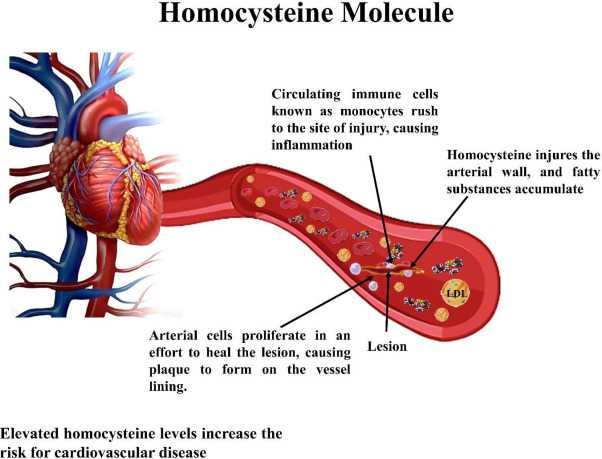
High levels of homocysteine can damage the lining of blood vessels. This damage makes it easier for fats and other substances to accumulate, leading to blockages. These blockages can cause heart attacks, strokes, and other serious heart problems.
Research shows that individuals with elevated homocysteine levels are at a higher risk of developing cardiovascular diseases. It is important to regularly check your levels and take steps to keep them in a healthy range.
The Connection Between Homocysteine and Cardiovascular Disease
The link between homocysteine and heart disease has been studied extensively. Elevated homocysteine levels increase inflammation in blood vessels, speeding up the process of atherosclerosis. This disease causes arteries to narrow and harden, making it difficult for blood to flow properly.
Many doctors now use homocysteine levels as a marker to assess heart attack risk. Lowering homocysteine can help reduce the chances of heart-related health problems.
Factors That Raise Homocysteine Levels
- Lack of B Vitamins: Deficiencies in folate, B6, and B12 can prevent the body from breaking down homocysteine properly.
- Genetics: Some people inherit genes that make it harder to process homocysteine.
- Unhealthy Lifestyle: Smoking, excessive alcohol intake, and lack of physical activity can raise levels.
- Diet: Eating too little of the nutrients needed to regulate homocysteine increases the risk.
- Medical Conditions: Kidney disease and certain disorders can interfere with homocysteine metabolism.
How To Lower Homocysteine Levels
Diet Changes
Eating foods rich in B vitamins can help keep homocysteine levels low. Foods such as leafy greens, beans, eggs, and fortified cereals are excellent sources. Incorporating these into your diet supports healthy blood vessel function.
Supplements
Taking B vitamin supplements, especially folic acid, B6, and B12, can effectively reduce homocysteine levels. Always consult your healthcare provider before starting new supplements.
| Supplement | Role | Typical Dose |
|---|---|---|
| Folic Acid | Reduces homocysteine production | 400-800 mcg daily |
| Vitamin B6 | Helps convert homocysteine to other amino acids | 1.3-2.0 mg daily |
| Vitamin B12 | Supports remethylation process | 2.4 mcg daily |
Healthy Lifestyle Habits
- Regular Exercise: Physical activity improves blood flow and reduces homocysteine levels.
- Quit Smoking: Smoking increases homocysteine, so stopping can help lower it.
- Limit Alcohol: Excessive drinking can interfere with B vitamin absorption.
- Maintain a Healthy Weight: Obesity is linked with higher homocysteine levels.
Homocysteine and Heart Disease Risk Factors
It’s important to view homocysteine as part of a broader risk profile. High levels often coexist with other factors like high blood pressure, high cholesterol, and diabetes. Managing all these issues together offers the best protection for your heart.
Regular screenings for homocysteine, along with other markers, can give a full picture of your cardiovascular health. Early intervention can prevent serious problems down the line.
Controlling Homocysteine for Heart Well-Being
Monitoring homocysteine levels is crucial, especially if you have a family history of heart disease or other risk factors. Combining lifestyle changes with medical advice can effectively keep your levels in check.
Consult your healthcare provider to develop a personalized plan that includes diet, supplements, and lifestyle modifications to promote heart health.
Related Topics and Emerging Research
Vitamin Therapy and Homocysteine
New studies explore how high doses of B vitamins might further lower homocysteine and protect against cardiovascular diseases. Ongoing research continues to clarify the most effective strategies.
Homocysteine and Other Health Conditions
Elevated homocysteine is also linked with cognitive decline, osteoporosis, and other chronic diseases. Addressing homocysteine levels can have broader health benefits beyond the heart.
Innovative Treatments
Scientists are investigating new ways to naturally lower homocysteine, including herbal supplements and lifestyle methods. Staying informed can help you make choices aligned with cutting-edge research.
Understanding the role of homocysteine in cardiovascular health emphasizes the importance of regular check-ups, proper nutrition, and a healthy lifestyle. By managing homocysteine levels, you can significantly reduce your risk of heart disease and improve your overall well-being.
Frequently Asked Questions
How does elevated homocysteine affect cardiovascular health?
High levels of homocysteine can damage the lining of blood vessels, increase blood clot formation, and promote inflammation. These effects raise the risk of developing atherosclerosis, which can lead to heart attacks and strokes. Managing homocysteine levels helps maintain the integrity of blood vessels and reduces cardiovascular risk.
What are the main factors that contribute to high homocysteine levels?
Dietary deficiencies in folate, vitamin B6, and vitamin B12 are common causes of elevated homocysteine. Genetics also play a role, as certain gene mutations can impair homocysteine metabolism. Lifestyle factors such as smoking, excessive alcohol consumption, and chronic stress can further increase levels.
Can lifestyle changes effectively lower homocysteine to improve heart health?
Yes, adopting a balanced diet rich in leafy greens, fruits, and whole grains provides essential nutrients like folate and B vitamins that help lower homocysteine. Regular exercise, quitting smoking, and limiting alcohol intake also contribute to better homocysteine management, positively impacting cardiovascular health.
How do medications influence homocysteine levels in cardiovascular patients?
Some medications, such as certain anticonvulsants and methotrexate, can raise homocysteine levels. Conversely, B vitamin supplements are often prescribed to lower elevated levels. When managing homocysteine, healthcare providers consider medication effects to optimize treatment and reduce cardiovascular risk.
Are there specific tests available to monitor homocysteine levels?
Yes, blood tests can accurately measure homocysteine concentrations. Doctors typically recommend testing for patients with risk factors such as a family history of cardiovascular disease, unexplained blood clots, or symptoms suggesting vascular issues. Monitoring levels helps guide appropriate interventions to protect heart health.
Final Thoughts
Homocysteine cardio plays a critical role in assessing heart health risks. Elevated levels of homocysteine can increase the likelihood of cardiovascular diseases. Managing these levels through diet, supplements, and lifestyle changes can improve overall heart health. Regular health checks help keep homocysteine in a safe range, reducing potential risks.
As an Amazon Associate, We earn from qualifying purchases. When you purchase a product through Amazon links on pulsefitguide.com, we may earn a small commission at no extra cost to you. This helps support the site and keep our content free.
