


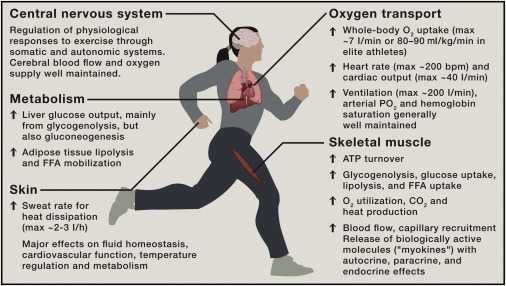
Cardio workouts turbocharge your heart, boost your energy levels, and improve your overall health in just a short amount of time. Engaging in cardiovascular exercises can lead to better circulation, stronger muscles, and a sharper mind. The immediate effects include increased heart rate, improved lung capacity, and enhanced mood, making you feel more alive and vibrant. Over time, cardio can help you shed unwanted pounds, regulate blood sugar, and even reduce stress. It’s like giving your body a daily upgrade that keeps you feeling vigorous and resilient. Whether you’re jogging, cycling, or dancing, cardio plays a vital role in maintaining a healthy, energetic body that’s ready to take on anything.
Regular cardio exercises positively impact your body by strengthening your heart and lungs, boosting your stamina, and promoting better blood flow. They help burn calories efficiently, support weight management, and improve mental well-being. As you commit to consistent cardio routines, you’ll notice increased energy levels, reduced risk of chronic diseases, and an overall boost in your quality of life.
Starting a cardio routine may seem daunting, but its benefits are undeniable. From the moment you begin, your body starts to adapt, growing stronger and more efficient. This kind of exercise isn’t just about burning calories; it’s about investing in your long-term health and happiness. Whether you prefer brisk walks, running, or dance classes, cardio can be tailored to fit your lifestyle and help you reach your health goals while making you feel more alive every day.

How Cardio Affects the Body
Understanding Cardio and Its Role
Cardio, also known as aerobic exercise, involves activities that increase your heart rate and breathing. This type of workout engages large muscle groups and improves overall cardiovascular health. Regular cardio makes your heart stronger and boosts your endurance for daily activities.
How Cardio Impacts Heart Health
Engaging in cardio exercises like running, cycling, or swimming helps strengthen the heart muscle. A stronger heart pumps blood more efficiently, reducing the risk of heart disease. It also helps lower bad cholesterol levels and increase good cholesterol, promoting better blood flow.
Effects of Cardio on the Lungs
Cardio workouts challenge your lungs to work harder, increasing lung capacity over time. This improves oxygen intake and carbon dioxide removal from the body. As a result, your breathing becomes more efficient, which benefits your overall stamina and energy levels.
Cardio and Blood Circulation
Regular aerobic activity enhances blood circulation throughout the body. Better circulation means vital nutrients and oxygen are delivered more effectively to tissues. This process supports cell repair, boosts energy, and helps prevent blood clots.
Impact on Blood Pressure
Cardio exercises can help lower high blood pressure by making blood vessels more flexible. Consistent aerobic activity reduces strain on the heart and arteries, decreasing the risk of hypertension-related complications. People with high blood pressure often see improvements with regular cardio sessions.
How Cardio Affects Body Composition
Doing cardio regularly burns calories, which aids in weight management. It increases your metabolic rate even after exercise ends, leading to more fat loss. Combining cardio with strength training can help you build lean muscle while shedding excess body fat.
Cardio and Muscle Endurance
Aerobic exercises improve muscle stamina by training muscles to operate longer without fatigue. This increased endurance benefits daily tasks and other physical activities. Over time, your muscles become more efficient at using oxygen, making workouts easier.
Metabolic Benefits of Cardio
Cardio boosts your metabolism, helping your body burn calories faster. It enhances insulin sensitivity, reducing the risk of type 2 diabetes. Improved metabolic health also supports healthier blood sugar and cholesterol levels.
Effects on Brain Health and Mood
Regular cardio stimulates the release of endorphins, which are natural mood boosters. It can help reduce feelings of stress and anxiety. Aerobic exercise is also linked to better cognitive function and memory, supporting mental sharpness.
Cardio’s Impact on Immune Function
Exercise like cardio increases circulation of immune cells in your body. This helps your immune system respond more quickly to infections. However, overtraining can suppress immunity, so balance is key.
How Cardio Affects Sleep Patterns
Engaging in regular aerobic activity can improve sleep quality and reduce insomnia. It helps regulate the body’s internal clock and increases feelings of relaxation. Better sleep supports recovery and overall health.
Influence of Cardio on Hormones
Aerobic exercise influences hormone levels like adrenaline and cortisol, which are involved in stress response. It also promotes the production of serotonin and endorphins, contributing to feelings of happiness and well-being.
Supporting Joint and Bone Health
Low-impact cardio, such as walking or swimming, helps maintain joint flexibility and strength. Weight-bearing exercises can increase bone density, reducing the risk of osteoporosis. Staying active promotes overall skeletal health.
Related Topics: Incorporating Cardio into Your Routine
Consider starting with activities you enjoy, such as dancing or brisk walking, to stay motivated. Aim for at least 150 minutes of moderate-intensity cardio weekly. Mix different types of exercises to prevent boredom and target various muscle groups.
Tips for Safe and Effective Cardio
Always warm up before starting and cool down afterward to prevent injury. Stay hydrated and listen to your body, avoiding overexertion. Gradually increase intensity and duration to build endurance safely.
Tracking Your Progress
Use a fitness tracker or app to monitor your heart rate and calories burned. Keep a workout journal to see your improvements over time. Setting realistic goals can keep you motivated and consistent.
Engaging in regular cardio brings numerous benefits that affect nearly every part of your body. From improving heart and lung health to boosting mood and metabolic function, aerobic exercise plays a vital role in maintaining overall wellness. Incorporating varied, enjoyable activities into your routine helps sustain motivation and supports long-term health goals. Remember, consistency is key to reaping the full benefits of cardio workouts.
Frequently Asked Questions
How does cardio improve cardiovascular health?
Regular cardio exercise strengthens the heart muscle, allowing it to pump blood more efficiently. This activity also helps lower blood pressure and reduces bad cholesterol levels, decreasing the risk of heart disease. Over time, your cardiovascular system becomes more resilient, supporting overall health and endurance.
In what ways does cardio impact metabolism and calorie burning?
Engaging in cardio elevates your metabolic rate, meaning your body burns more calories during and after exercise. This increased calorie expenditure can help you manage weight more effectively. Consistent cardio sessions also enhance fat oxidation and improve insulin sensitivity, contributing to better metabolic health.
What are the effects of cardio on mental well-being?
Cardio exercise stimulates the release of endorphins, which are natural mood boosters. It can help reduce stress, anxiety, and symptoms of depression. Additionally, regular aerobic activity improves sleep quality and enhances cognitive function, supporting overall mental health.
How does cardio influence lung capacity and breathing efficiency?
Performing cardio regularly strengthens your respiratory muscles and increases lung capacity. This leads to more efficient oxygen intake and carbon dioxide expulsion. As a result, your breathing becomes more efficient both during exercise and in daily activities, promoting better endurance and overall respiratory health.
Can cardio help in managing blood sugar levels?
Yes, engaging in consistent cardio activity improves insulin sensitivity and helps regulate blood sugar levels. It facilitates the uptake of glucose by muscles, reducing the risk of developing type 2 diabetes. Incorporating cardio into your routine supports metabolic balance and overall health.
Final Thoughts
Cardio workouts boost heart health by strengthening the heart muscle and improving circulation. They increase lung capacity and enhance oxygen intake, making daily activities easier. Regular cardio also helps manage weight and reduces the risk of chronic diseases.
In addition, cardio exercises release endorphins that improve mood and reduce stress. They increase stamina and energy levels, supporting overall physical health.
In conclusion, how cardio affects the body shows clear benefits, positively impacting cardiovascular health, mental well-being, and energy.
As an Amazon Associate, We earn from qualifying purchases. When you purchase a product through Amazon links on pulsefitguide.com, we may earn a small commission at no extra cost to you. This helps support the site and keep our content free.
