


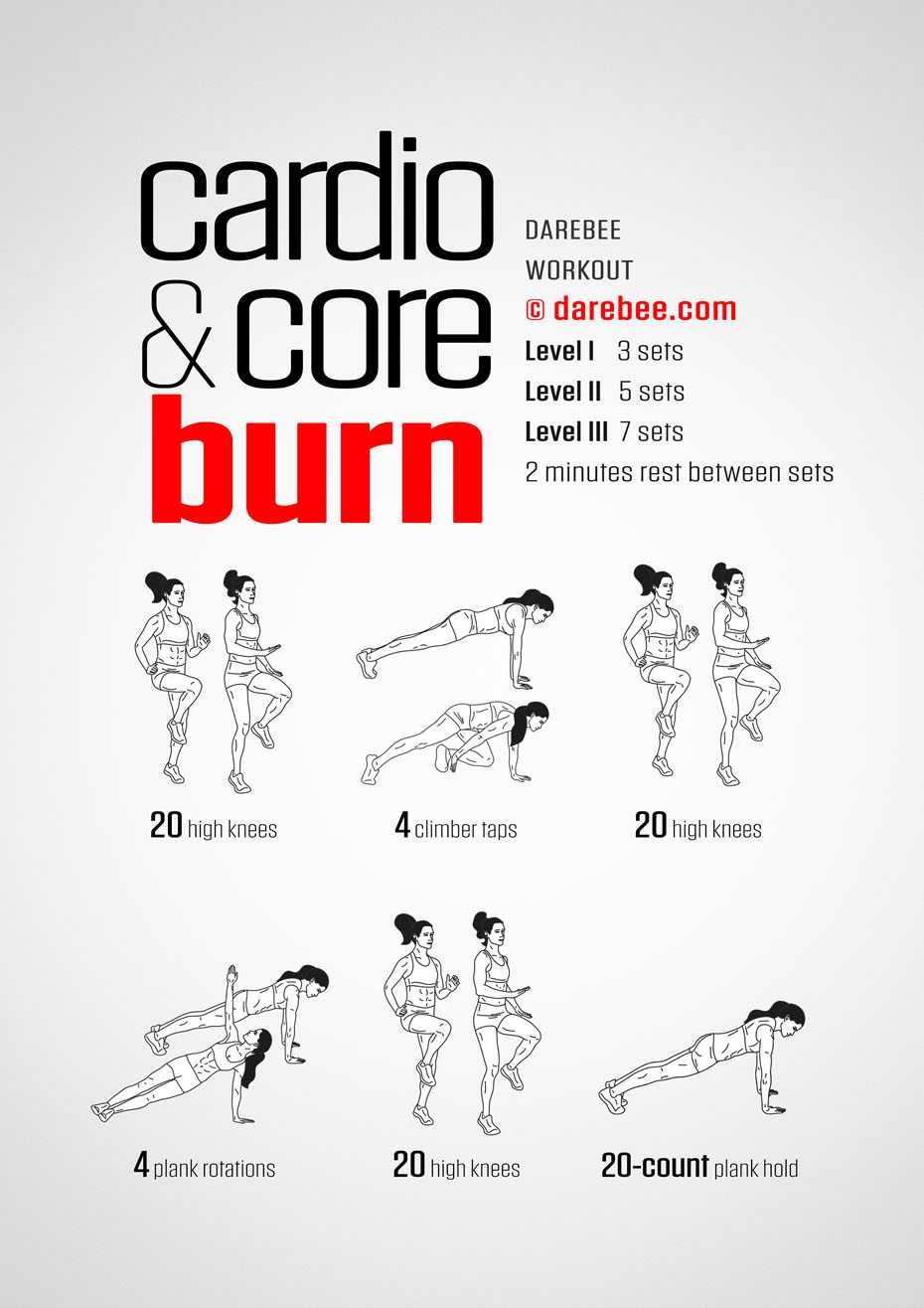
Cardio is one of the most effective ways to torch fat quickly and efficiently. When you engage in cardiovascular exercises like running, cycling, or swimming, your body burns calories to fuel your muscles, leading to fat loss over time. The secret lies in increasing your heart rate, which prompts your body to tap into stored fat as a source of energy once your immediate carbohydrate reserves are depleted. By consistently doing cardio, you create a calorie deficit, causing your body to burn fat to meet its energy needs. So, if you’re looking to shed pounds and boost your overall health, incorporating regular cardio sessions is a smart and proven strategy.
**Short summary**: Cardio burns fat by raising your heart rate, which stimulates your body to use stored fat for energy. Regular cardio workouts help create a calorie deficit, leading to effective fat loss and improved fitness.

How Cardio Burns Fat: A Clear Explanation
Cardio exercises are known for helping to burn calories and reduce body fat. But how exactly does cardio work to melt away fat? Understanding this process can motivate you to stick with your workout routine and see better results. Let’s explore the science behind how cardio burns fat and how you can make the most of it.
The Basics of Fat Burning During Cardio
When you do cardio, your body needs energy. It pulls this energy from stored sources like carbohydrates and fat. During low to moderate intensity workouts, your body favors burning fat because it’s a readily available fuel source.
As exercise intensity increases, your body shifts to burn more carbohydrates. However, maintaining moderate cardio allows for maximum fat burning because it keeps your body in a fat-burning zone. This zone is typically at 50% to 70% of your maximum heart rate.
The Role of Heart Rate in Fat Burn
Your heart rate is a key factor in how much fat you burn during cardio. Targeting your heart rate zone ensures you exercise efficiently. Exercising at this zone optimizes your body’s ability to burn fat rather than relying mainly on carbs.
To find your fat-burning zone, you can use a simple formula: subtract your age from 220 to get your maximum heart rate. Then, calculate 50% to 70% of this number for your target zone. For example, if you are 30, your max heart rate is 190 beats per minute. Your fat-burning zone is roughly 95 to 133 beats per minute.
How The Body Uses Fat During Cardio
Fat as an Energy Source
Fat provides a dense source of energy, supplying more calories per gram than carbs. During steady, moderate cardio, your body predominantly uses fat for fuel. This process involves breaking down stored fat into fatty acids, which are then burned for energy.
The Process of Lipolysis
Lipolysis is the process of breaking down stored fat. During cardio, hormones like adrenaline trigger lipolysis, releasing fatty acids into your bloodstream. These fatty acids then enter your muscle cells to be oxidized for energy.
The Impact of Duration and Intensity on Fat Loss
The duration of your workout influences how much fat you burn. Generally, longer sessions at moderate intensity are more effective for fat loss because your body continues to use fat as a fuel source for an extended period.
Higher intensity workouts burn calories faster but rely more on carbs. Combining both moderate and high intensity in your routine can optimize fat burning and improve overall fitness.
Post-Exercise Fat Burn: The Afterburn Effect
Intense cardio workouts can increase your metabolism even after exercise. This phenomenon, called excess post-exercise oxygen consumption (EPOC), causes your body to burn more calories and fat during recovery.
Engaging in high-intensity interval training or vigorous cardio sessions can boost the afterburn effect. This means you’ll continue to burn calories long after your workout ends, helping you shed fat more efficiently.
How To Maximize Fat Burning During Cardio
Stay Within Your Fat-Burning Heart Rate Zone
Monitoring your heart rate ensures you exercise in the optimal zone for fat loss. Using a heart rate monitor or fitness tracker helps maintain the right intensity.
Incorporate Interval Training
- Alternate between periods of high and low intensity.
- For example, sprint for 30 seconds, then walk for 1 minute.
- This approach boosts calorie burn and stimulates fat loss.
Ensure Consistency and Duration
Consistency is key. Aim for at least 150 minutes of moderate cardio per week. Longer durations at steady intensity enhance fat burning over time.
The Effect of Nutrition on Cardio and Fat Loss
What you eat before and after cardio sessions impacts fat burning. Consuming a balanced meal with healthy fats, proteins, and carbs fuels your workouts and supports recovery.
Staying hydrated also plays a role in maintaining energy levels and optimizing fat metabolism during exercise.
Types of Cardio Exercises That Effectively Burn Fat
- Brisk walking or jogging
- Cycling sessions
- Jump rope routines
- Swimming laps
- Dance-based workouts
- High-Intensity Interval Training (HIIT)
Combining Cardio With Strength Training
While cardio is great for burning fat, combining it with strength training can amplify results. Strength workouts build muscle, increasing your resting metabolism and helping you burn more calories even at rest.
This comprehensive approach ensures faster fat loss while improving overall body composition and strength.
Monitoring Progress and Adjusting Your Routine
Keep track of your workouts, heart rate, and weight to see how your body responds. Adjust the intensity or duration as you progress to avoid plateaus.
Incorporating variety prevents boredom and challenges your body in new ways, making your fat-burning efforts more effective.
By understanding the detailed process of how cardio burns fat, you can better plan your workouts to achieve your fitness goals. Remember to stay consistent, monitor your intensity, and combine your cardio with proper nutrition and strength training for best results.
Frequently Asked Questions
How does cardio activity increase the rate of fat breakdown in the body?
Cardio exercises elevate your heart rate, which encourages your body to utilize stored fat as a primary energy source. As your activity continues, enzymes in fat cells become more active, breaking down triglycerides into glycerol and free fatty acids that your muscles can use for fuel. This process helps reduce fat reserves over time and improves overall body composition.
What role does intensity play in burning fat during cardio workouts?
The intensity of your workout determines how effectively your body uses fat for energy. Moderate-intensity cardio allows fat to be your main fuel source, as oxygen availability supports fat oxidation. Higher-intensity sessions burn more calories overall and can lead to increased post-exercise fat burning, but the proportion of fat burned relative to total calories decreases at very high intensities.
How does maintaining a consistent cardio routine influence fat loss?
Consistent cardio exercises create a sustained calorie deficit, which is essential for fat loss. Regular sessions help your body become more efficient at burning fat for energy, improve metabolic rate, and enhance recovery. Over time, this consistency leads to fat reduction and improved cardiovascular health, especially when combined with a balanced diet.
In what way does cardio impact hormonal responses related to fat metabolism?
Cardio workouts stimulate the release of hormones like adrenaline and noradrenaline, which activate fat breakdown. Additionally, regular aerobic activity can influence insulin sensitivity, making it easier for your body to manage blood sugar levels and utilize glucose and fat effectively. These hormonal changes support a more efficient fat-burning process.
Final Thoughts
Cardio exercises increase your heart rate, prompting your body to burn calories more efficiently. This sustained effort encourages fat loss as energy demands rise.
When you do cardio regularly, your body shifts to burning a higher percentage of fat for fuel.
In conclusion, how cardio burns fat is rooted in boosting calorie expenditure and enhancing fat metabolism. Incorporating cardio into your routine effectively supports weight management and overall health.
As an Amazon Associate, We earn from qualifying purchases. When you purchase a product through Amazon links on pulsefitguide.com, we may earn a small commission at no extra cost to you. This helps support the site and keep our content free.
