


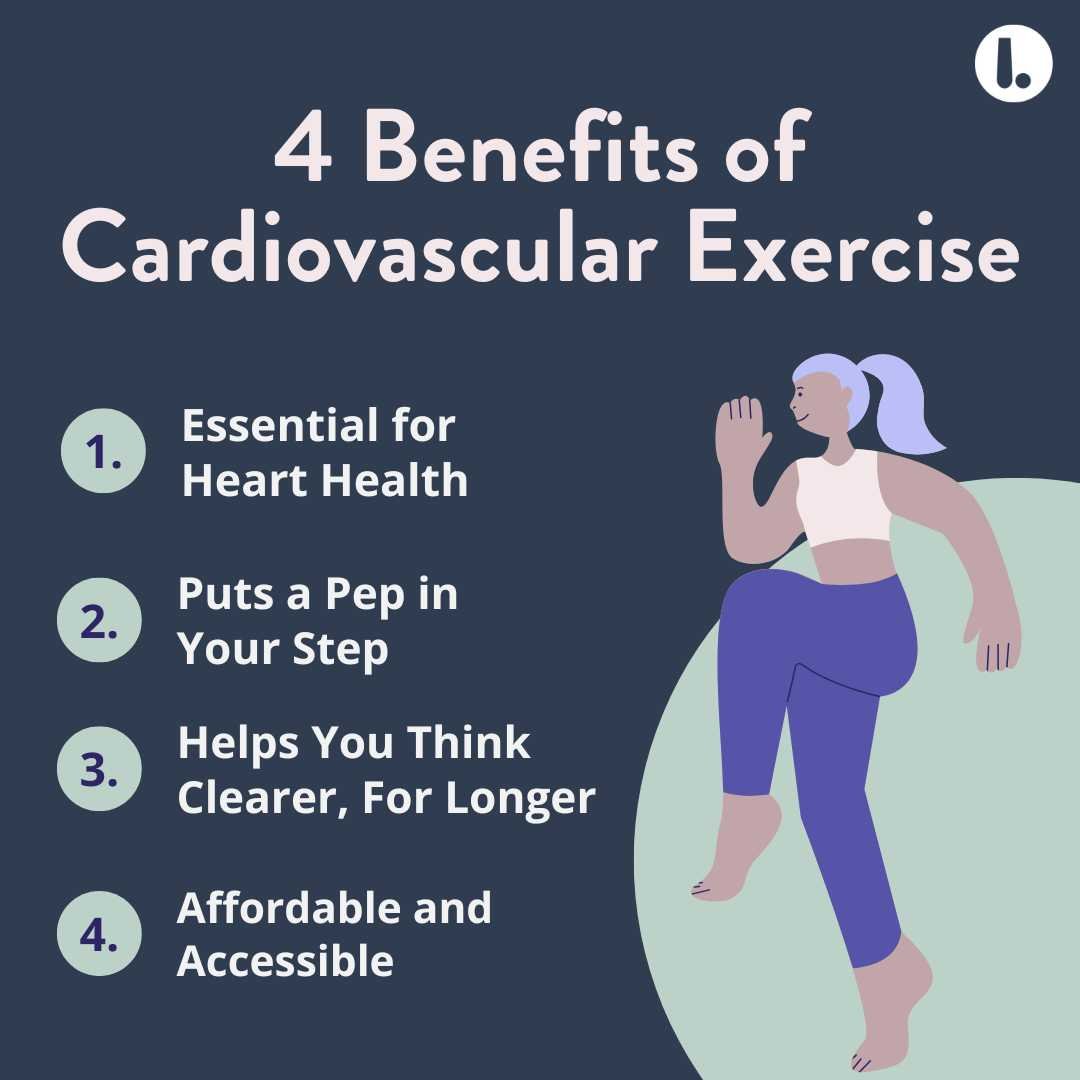
Cardio exercises boost heart health by strengthening the heart muscle, improving blood circulation, and reducing risk factors like high blood pressure and cholesterol. Engaging in regular aerobic activities not only makes your heart more efficient but also helps prevent cardiovascular diseases. Want a healthier heart? Just moving your body with activities like walking, running, or cycling can make a huge difference.
Regular cardio workouts enhance your heart’s ability to pump blood effectively, which in turn lowers the risk of heart disease. They help clear clogged arteries and maintain healthy blood pressure levels, ensuring your heart functions optimally. The good news is that you don’t need intense gym sessions—simple, consistent cardio can significantly improve your heart health.
Starting a cardio routine might seem daunting, but it’s one of the simplest, most effective ways to protect your heart. Whether you prefer dancing, swimming, or brisk walking, incorporating just 30 minutes most days can lead to a stronger, healthier heart and a longer, more vibrant life.

How Cardio Improves Heart Health
Cardio exercises are activities that increase your heart rate and keep it elevated for a period of time. These exercises are vital for improving overall heart health and preventing heart-related diseases.
Understanding the Heart and Its Function
The heart is a muscular organ that pumps blood rich in oxygen and nutrients throughout your body. Proper blood flow is essential for keeping your muscles, brain, and other organs healthy.
When the heart works efficiently, it reduces the risk of conditions like high blood pressure, cholesterol buildup, and blockages in arteries. Cardio exercises help your heart become stronger and more effective in pumping blood.
The Science Behind Cardio’s Impact on Heart Health
Engaging in regular cardio increases circulation and promotes the development of new blood vessels. This process, called angiogenesis, improves blood flow and helps your heart get oxygen more efficiently.
Exercise also reduces bad cholesterol and raises good cholesterol levels. This balance helps prevent plaque buildup inside arteries, which is a major cause of heart attacks and strokes.
How Cardio Strengthens the Heart Muscle
Consistent cardio workouts make the heart muscle more robust. A stronger heart can pump blood with less effort, lowering the strain and reducing the likelihood of heart failure.
This increased efficiency means your heart does not need to beat as fast during rest or physical activity, promoting better overall cardiovascular health.
The Role of Cardio in Lowering Blood Pressure
High blood pressure puts extra pressure on your arteries and heart. Regular cardio helps lower blood pressure by relaxing blood vessel walls and improving vascular flexibility.
This reduction in pressure decreases the risk of developing hypertension and related complications such as aneurysms and kidney damage.
Managing Cholesterol Levels with Cardio Exercise
High levels of low-density lipoprotein (LDL) cholesterol can cause plaque formation inside arteries. Cardio exercises help reduce LDL cholesterol and increase high-density lipoprotein (HDL) that cleans arteries.
Activities like running, cycling, and swimming are particularly effective in managing cholesterol for better heart health.
Cardio and Weight Management
Maintaining a healthy weight is crucial for heart health. Cardio workouts burn calories and help reduce excess body fat, especially around the abdomen.
Lower body fat reduces the strain on the heart, improves blood pressure, and lowers the risk of developing heart disease.
Improving Heart Rate Variability and Endurance
Regular cardio enhances your heart’s ability to adapt to different activities, which is known as heart rate variability. Higher variability signals a healthy and flexible heart.
Furthermore, cardio increases stamina, enabling you to perform daily activities with less fatigue and risk of cardiovascular issues.
Reducing Stress and Its Impact on Heart Health
Stress can increase heart rate and blood pressure, raising the risk of heart disease. Cardio activities release endorphins, which reduce stress hormones and promote relaxation.
Activities like brisk walking or dancing can elevate mood while improving your heart’s health.
Preventing and Managing Heart Disease through Cardio
Regular cardio exercise is a preventive measure against heart disease. It helps keep arteries clear, controls risk factors, and maintains healthy blood pressure and cholesterol levels.
For those already with heart issues, tailored cardio programs can help manage symptoms and improve quality of life under medical supervision.
Types of Cardio Exercises for Heart Health
- Walking briskly
- Jogging or running
- Cycling indoors or outdoors
- Swimming laps
- Jump rope
- Dancing
Incorporating a variety of these activities ensures a well-rounded approach to improving heart health and keeps workouts engaging.
Frequency and Duration for Optimal Benefits
The American Heart Association recommends at least 150 minutes of moderate-intensity cardio per week. This can be broken down into 30-minute sessions five days a week.
For additional benefits, increasing the duration or intensity gradually can further boost heart health. Always consult with a healthcare provider before starting new exercise routines.
Listening to Your Body During Cardio Workouts
Pay attention to how your body responds during exercise. Mild discomfort is normal, but pain or dizziness require stopping and consulting a doctor.
Staying hydrated and resting properly also support safe and effective cardio sessions.
Incorporating Cardio Into Daily Life
Simple activities like walking during breaks or taking the stairs can add up. Making consistent movement a part of your routine keeps your heart engaged and healthy.
Even short bouts of activity throughout the day can contribute significantly to your cardiovascular health.
The Long-Term Benefits of Regular Cardio Exercise
Over time, consistent cardio activity reduces the risk of heart disease, stroke, and other cardiovascular conditions. It also improves circulation, lowers blood pressure, and boosts overall energy levels.
Adopting an active lifestyle supports longevity and enhances quality of life by keeping your heart strong and adaptable.
In summary, engaging in regular cardio exercise is one of the most effective ways to promote heart health. It strengthens the heart muscle, improves blood flow, manages risk factors, and contributes to a healthier, longer life.
Frequently Asked Questions
How does regular cardio exercise influence blood circulation to the heart?
Engaging in consistent cardio activity boosts blood circulation by strengthening the heart muscles, enabling it to pump blood more efficiently. Better circulation ensures that oxygen and nutrients reach tissues promptly, which helps maintain overall heart health and reduces the risk of cardiovascular problems.
In what ways does cardio help lower blood pressure levels?
Cardio workouts encourage the dilation of blood vessels and improve elasticity, which reduces resistance against blood flow. Over time, this process helps lower high blood pressure, decreasing the strain on the heart and decreasing the likelihood of hypertension-related complications.
How does cardio contribute to reducing bad cholesterol levels?
Performing aerobic exercises regularly increases HDL (good cholesterol) and helps lower LDL (bad cholesterol). This balance prevents the buildup of plaque in arteries, supporting a healthier cardiovascular system and diminishing the risks associated with arterial blockages.
Final Thoughts
Cardio exercises strengthen the heart muscle, allowing it to pump blood more efficiently. Regular cardio helps lower blood pressure and reduces bad cholesterol levels. These benefits decrease the risk of heart disease and improve overall cardiovascular health.
Engaging in consistent cardio activities boosts circulation, delivering oxygen and nutrients more effectively throughout the body. This enhanced blood flow supports heart and artery health over time.
In conclusion, how cardio improves heart health by strengthening the heart, lowering risk factors, and enhancing circulation, making it an essential part of a healthy lifestyle.
As an Amazon Associate, We earn from qualifying purchases. When you purchase a product through Amazon links on pulsefitguide.com, we may earn a small commission at no extra cost to you. This helps support the site and keep our content free.
