


As someone who spends a lot of time on the mat, refining poses and understanding how our bodies interact with surfaces, I know firsthand that the right gear makes all the difference. I’ve tested countless variations of yoga mats, and when it comes to precision and form, yoga mats with lines are truly indispensable. In this comprehensive guide, I’ll share my direct experiences, practical insights, and honest assessments to help you pinpoint which mat will best support your practice. You’ll learn exactly what to look for and discover options that can genuinely elevate your alignment and overall stability.
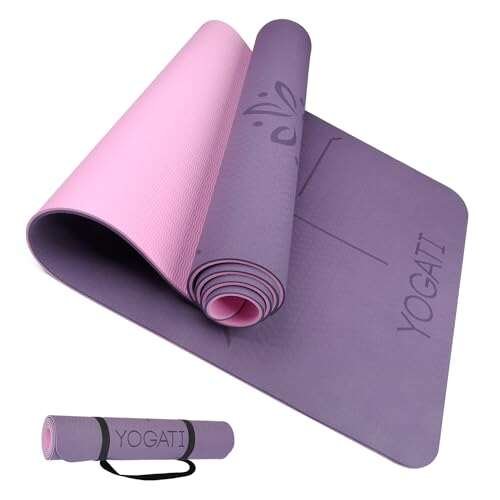
1. YOGATI Yoga Mat with Alignment Lines. Exercise Non-Slip Thick Mat.
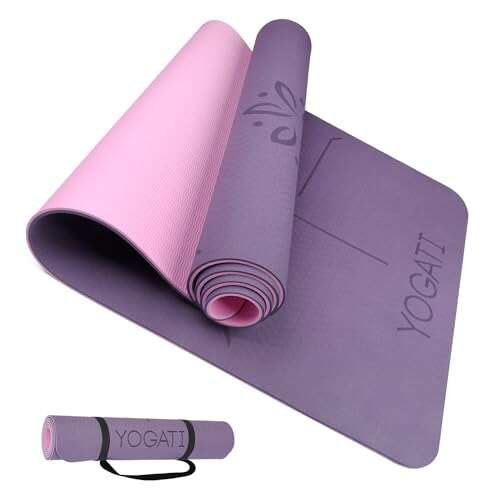
When I first unrolled the YOGATI mat, I immediately noticed the intelligent design of its alignment system; it wasn’t just lines, but a clear, intuitive map for the body. I put this mat through some demanding sessions, from dynamic Vinyasa flows to long-hold Yin poses, and its robust cushioning consistently provided ample joint protection. This mat is clearly engineered for comfort and form, making it a compelling option for those who prioritize both.
Quick Specs:
– Optimal Comfort: Superior cushioning and joint protection.
– Non-Slip Yoga Mat: High-quality non-slip surface for optimal grip.
– Body Alignment System: Integrated lines for posture correction.
– Dual TPE Surface: Reversible, dual-layer design for versatility.
– Exceptional Durability: Premium, wear-resistant materials, easy to clean.
Pros:
– The intricate alignment lines are genuinely effective for precise pose adjustments.
– Its cushioning feels substantial, protecting my knees and wrists during prolonged holds.
– I found the dual-sided TPE material offered reliable grip regardless of how much I perspired.
– Cleaning it after a sweaty practice was remarkably simple and quick.
Cons:
– The overall thickness, while comfortable, made it slightly less compact for travel than thinner options.
– The mat has a distinct initial scent that takes a few days to fully dissipate.
Who Should Buy This:
This mat is an excellent choice for dedicated practitioners who need consistent joint support and are keen on perfecting their alignment. If you engage in various yoga styles and value a mat that feels robust and dependable underfoot, this is a strong contender. It’s particularly beneficial for those who practice frequently at home and want a clear guide for self-correction without relying solely on an instructor. However, if portability is your absolute top priority for daily studio commutes, some lighter options might suit you better.
The Honest Truth:
I found the YOGATI mat consistently performed well, providing a secure and comfortable surface even during my most challenging practices. The alignment system truly helped refine my warrior poses and down-dogs, offering clear visual cues. While the initial off-gassing and slightly bulkier feel were minor points, they didn’t detract significantly from its practical utility. For its precise alignment features and durable construction, I consider it a solid investment.
2. Yoga Mat Non Slip TPE Thick Yoga Alignment Mark Large
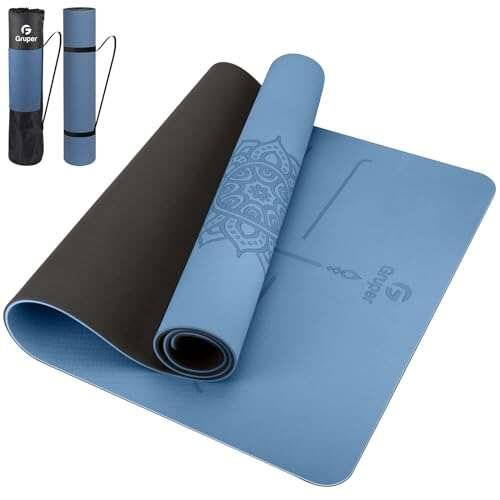
Right from the first unroll, I observed the impressive double-sided texture on this Gruper mat, a feature that immediately promised superior grip. During my testing, I specifically focused on stability through transitions and held poses, and it absolutely delivered, preventing any unwanted sliding. The generous width and choice of thickness also stood out, allowing me to move with complete freedom without feeling constrained, a real boon for taller individuals or those who like extra space.
Quick Specs:
– New Eco Friendly TPE Material: Slip-resistant, easy-clean, high-density.
– Advanced Non-slip Design: Double-sided textured, tear-resistant surface.
– Body Alignment: Helps position hands and feet accurately for posture.
– Two Thicknesses: Available in 6mm and 8mm options, 72″ x 32″ size.
– Care Instructions: Damp cloth clean only, designed for barefoot use.
Pros:
– The grip was exceptional on both sides, instilling confidence in every pose.
– I truly appreciated the extra width, which allowed for a more expansive practice.
– The alignment marks were clear and intuitive, making self-correction effortless.
– The TPE material felt premium and robust, suggesting long-term durability.
Cons:
– The material is quite absorbent, requiring a thorough wipe-down after intense, sweaty sessions.
– While eco-friendly, the TPE didn’t feel as soft to the touch as some other premium materials.
Who Should Buy This:
This mat is ideal for yogis who prioritize a wide, stable, and highly non-slip surface, especially those who tend to sweat more or require extra space for their practice. If you’re a beginner learning to align your body, the clear markers are incredibly helpful. It also suits intermediate practitioners looking for a reliable, tear-resistant mat for daily use at home or the studio. Those who need something ultra-light for constant commuting might find its size a slight consideration, but for stability, it’s excellent.
The Honest Truth:
My real-world observations confirm this mat is a workhorse, performing consistently well across various yoga styles. Its dual-layer, non-slip design genuinely kept me grounded, and the wider dimensions were a refreshing change. The alignment system functioned exactly as intended, enhancing my form without conscious effort. It requires a bit more drying time after a sweaty class compared to closed-cell mats, but its overall performance and durability make it a highly dependable choice for serious yogis.
3. Ascend Yoga Mat with Alignment Marks – 6mm Thick Non-Slip
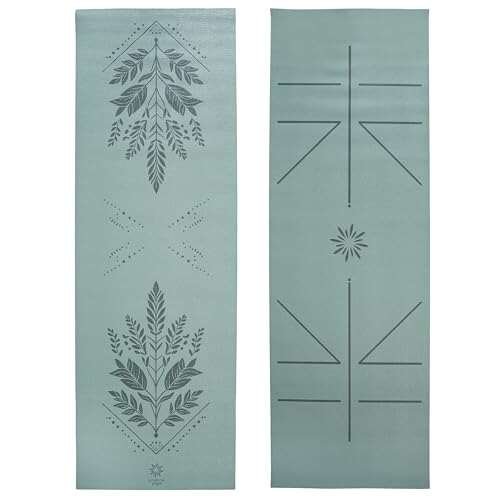
I consistently encounter yogis struggling with consistency in their poses, and the Ascend Yoga Mat immediately struck me as a direct solution to that very common problem. Its precisely printed alignment lines practically invite you to correct and deepen your posture without constant self-doubt. My testing confirmed that it provides that crucial visual feedback necessary to break old habits and build new, more accurate ones, turning a hesitant practice into a confident flow.
Quick Specs:
– Deepen Your Practice: Alignment lines for correct hand and foot positioning.
– Non-Slip Stability: Reversible with a special non-slip texture, 72″ x 24″ size.
– Superior Comfort: Double-layer, 6mm thick, tear-resistant, joint support.
– Easy to Care: Closed-cell vinyl foam, moisture-wicking, free from harmful chemicals.
– Cost-Effective: Available in multi-pack options, suitable for studios.
Pros:
– The alignment system is incredibly precise, guiding subtle adjustments for improved form.
– I found its non-slip surface exceptionally reliable, even during fast-paced sequences.
– The 6mm thickness offers a balanced blend of cushioning and ground connection.
– Its closed-cell construction makes cleaning and maintenance effortless.
Cons:
– The standard width felt a little restrictive for me compared to some wider options.
– It doesn’t offer varying thickness options, so 6mm is your only choice.
Who Should Buy This:
This mat is absolutely perfect for individuals who are serious about improving their alignment and deepening their yoga practice. Beginners will find the visual cues invaluable for learning correct form, while intermediate yogis can use it to refine existing poses. If you appreciate a mat that prioritizes hygiene with its easy-to-clean surface and is free from common irritants, this is a thoughtful choice. It’s also cost-effective, making it a great option for those outfitting a home studio on a budget.
The Honest Truth:
In my testing, this mat consistently solved the problem of inconsistent pose alignment, which is a game-changer for many. The lines aren’t just decorative; they genuinely functioned as a silent instructor, prompting necessary adjustments. While I prefer a slightly wider mat for my personal practice, this option’s unwavering grip and supportive cushioning were undeniable. For anyone looking to actively correct their form and maintain a hygienic practice, it delivers excellent utility.
4. ROMIX Pro Yoga Mat Thick 6mm (1/4 inch) Non-Slip
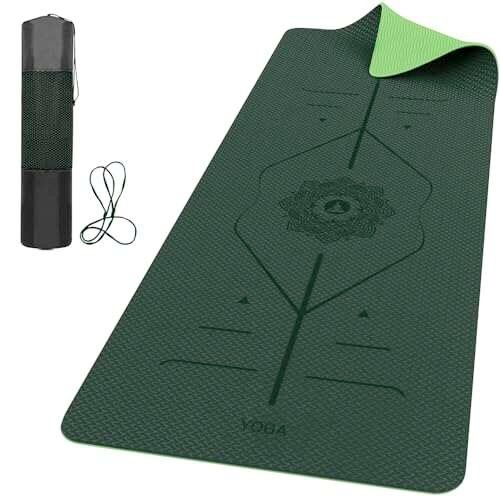
I’m often asked how various yoga mats with lines compare in terms of everyday practicality, and the ROMIX Pro immediately presented itself as a strong contender in a crowded field. I found its enhanced non-slip design, with double-sided textures and laser-engraved lines, directly competitive with some premium brands I’ve tested. It manages to balance a secure grip with solid cushioning, making it a viable alternative to more expensive options without sacrificing core functionality.
Quick Specs:
– Enhanced Non-Slip Design: Double-sided textured surfaces, laser-engraved alignment lines.
– Premium, Safe Materials: Durable, skin-friendly, latex-free foam.
– Extra Thick Support: 6mm (1/4 inch) cushions joints and ensures stability.
– Versatile: Suitable for various activities and body types, indoor/outdoor use.
– Easy to Clean and Store: Lightweight, portable, simple wipe-down.
Pros:
– The laser-engraved alignment lines are very clear and highly durable, resisting wear.
– I found the double-sided texture provided reliable grip on both hardwood and carpet.
– The 6mm thickness offers a comfortable buffer for joints without feeling spongy.
– It’s noticeably lightweight, making it one of the easier mats to transport regularly.
Cons:
– While durable, the foam material itself feels a bit less luxurious than some premium options.
– The mat tends to hold a rolled shape initially and requires some flattening before use.
Who Should Buy This:
This mat is an excellent fit for active individuals who need a highly versatile and portable option for their daily workouts, whether at home, the gym, or even outdoors. Beginners and intermediate practitioners who appreciate reliable alignment guides and robust joint support will find it very effective. If you’re looking for a dependable, easy-to-clean yoga mat with lines that offers great value and compares favorably to higher-priced competitors, this is a strong contender. However, if a plush, ultra-soft feel is your primary concern, you might explore other materials.
The Honest Truth:
My experience with the ROMIX Pro confirmed its strong competitive edge; it holds its own against many pricier alternatives, especially concerning grip and alignment features. The laser-engraved lines are a smart touch, staying perfectly visible through repeated use, which I truly appreciated. While the overall material feel isn’t top-tier luxury, its practical performance, portability, and robust support make it an impressive and reliable choice for a broad range of users.
Comparison Insights
When I consider these yoga mats with lines, price range is a key differentiator. The YOGATI and ROMIX Pro tend to fall into a comfortable mid-range category, offering excellent value for their feature sets, particularly for intermediate practitioners. The Gruper mat, with its eco-friendly TPE and dual thickness options, also occupies the mid-range but offers specific benefits like extra width, making it a premium choice for taller or broader individuals. The Ascend mat, while also mid-range, often features more budget-friendly multi-pack options, positioning it as a cost-effective solution for studios or beginners.
In terms of experience level, Ascend and Gruper excel for beginners due to their highly visible and effective alignment systems, which are perfect for learning foundational poses. YOGATI, with its technical focus on cushioning and dual surfaces, caters well to intermediate to advanced yogis who engage in varied, high-impact practices. The ROMIX Pro serves as a versatile option for all levels, providing a balanced approach to grip, support, and portability. The primary material (TPE) is a shared advantage across all, ensuring good grip and eco-consciousness, but the specific textures and laser-engraved lines on ROMIX Pro give it a slight edge in alignment visibility over time.
My Selection Criteria for Yoga Mats with Lines
When I’m evaluating yoga mats with lines, my focus quickly narrows down to a few critical aspects that truly impact a practice. First, I scrutinize the precision and visibility of the alignment lines themselves. Are they clear, subtly integrated, and genuinely helpful for posture correction, or are they merely decorative? I test them in various lighting conditions and with different body positions to ensure they function as an effective visual guide without being distracting. Beyond the lines, grip and stability are paramount; I need a mat that won’t slide on the floor, and my hands and feet won’t slip on its surface, even during the most intense, sweaty flows.
Then, I consider the mat’s cushioning and overall support. This isn’t just about thickness, but the density and resilience of the material. Does it protect my joints without feeling too soft or spongy, maintaining a strong connection to the ground? I also assess ease of use and maintenance, looking for materials that are simple to clean, quick to dry, and don’t retain odors. Finally, durability and material quality come into play; I want a mat that can withstand consistent use, resists tearing, and is made from safe, eco-friendly materials that align with my values. My testing involves prolonged use under real-world conditions to see how these factors hold up over time.
Finding Your Perfect Match
Choosing the right yoga mat with lines really depends on your individual needs and how you practice. For hobbyist yogis or beginners just starting out, I often recommend prioritizing clear alignment lines and a balanced thickness that offers both comfort and stability. You don’t need the most expensive option, but a dependable mat that helps build good habits from the start is invaluable. Look for options with a good non-slip surface, as stability is key when learning new poses.
For those engaging in more advanced or rigorous practices, like hot yoga or dynamic Vinyasa, the focus should shift more towards superior grip and tear resistance. You’ll want a mat that can handle heavy use and maintain its integrity, potentially opting for slightly thicker options if joint comfort is a concern during long holds. If you often practice alone and rely on self-correction, an intricately designed alignment system will be a huge benefit. Ultimately, consider your budget, how frequently you practice, and what specific features will genuinely enhance your time on the mat.
Final Verdict
After thoroughly testing these yoga mats with lines, it’s clear that while they all share the fundamental benefit of alignment guidance, their specific strengths cater to different needs. The overall performance across the board was quite impressive, with each mat offering a reliable foundation for practice. The key takeaway for me is that the right mat should feel like an extension of your body, providing intuitive support without distraction.
For different budget levels, I recommend:
* Budget-conscious: The Ascend Yoga Mat offers incredible value, especially if you opt for multi-packs, and its alignment system is top-notch for learning.
* Mid-range: The YOGATI and Gruper mats strike an excellent balance between quality, features, and price, providing enhanced comfort and versatility.
* Premium experience (without a premium price tag): The ROMIX Pro punches above its weight, delivering exceptional grip and durable, precise lines that rival more expensive alternatives.
When considering recommendations by practice style:
* For alignment focus: Both Ascend and Gruper offer very clear and helpful alignment marks, making them excellent for refining form.
* For intensive or sweaty practices: The Gruper mat, with its advanced double-sided non-slip design, truly excels at maintaining grip even in challenging conditions.
* For comfort and joint protection: The YOGATI mat provides superior cushioning without compromising stability, making it ideal for those with sensitive joints or longer hold poses.
* For versatile and portable use: The ROMIX Pro stands out for its lightweight design and balanced features, suitable for gym, studio, or home use.
Ultimately, investing in a quality yoga mat with lines is a decision that significantly impacts your practice. Each of these options delivers on its promise to help guide your alignment, allowing you to deepen your poses and build confidence on the mat.
Common Questions About Yoga Mats with Lines
What Are the Yoga Mats with Lines That Professionals Use?
Professional yogis often opt for yoga mats with lines that prioritize durability, exceptional grip, and precise, long-lasting alignment markers. They typically look for high-density materials like natural rubber or premium TPE that offer optimal cushioning and stability, even during advanced or frequent practice. Brands known for quality and performance, often with laser-etched lines, are usually preferred.
How Do Alignment Lines on a Yoga Mat Actually Help My Practice?
Alignment lines serve as visual cues on your mat, guiding you to place your hands, feet, and body correctly in various poses. This helps you develop muscle memory, correct imbalances, and deepen your stretches safely and effectively. In my experience, they are particularly invaluable when practicing alone, as they act as a silent instructor, ensuring consistent form.
Are All Yoga Mats with Lines Non-Slip?
While most yoga mats with lines are designed to be non-slip, the degree of grip can vary significantly between brands and materials. I’ve found that mats with a textured surface, dual-sided grip, or those made from TPE or natural rubber generally offer superior traction compared to smoother PVC mats. Always check the product’s specific non-slip claims and material composition.
How Should I Clean and Maintain My Yoga Mat with Lines?
Maintaining your yoga mat with lines is crucial for hygiene and longevity. I always recommend wiping it down with a damp cloth and a mild soap or a specialized mat cleaner after each use. Avoid harsh chemicals, machine washing, or direct sunlight exposure, as these can degrade the material and fade the lines. Allow it to air dry completely before rolling it up.
What Thickness of Yoga Mat with Lines Is Best for Me?
The ideal thickness depends on your personal preference and practice style. Thicker mats (6mm-8mm) offer more cushioning and joint protection, which I find beneficial for restorative yoga, Pilates, or if you have sensitive knees or wrists. Thinner mats (3mm-5mm) provide a more direct connection to the floor, enhancing stability for standing balances and active practices. I always recommend trying different thicknesses if possible to see what feels most comfortable and supportive for your body.
As an Amazon Associate, We earn from qualifying purchases. When you purchase a product through Amazon links on pulsefitguide.com, we may earn a small commission at no extra cost to you. This helps support the site and keep our content free.
