


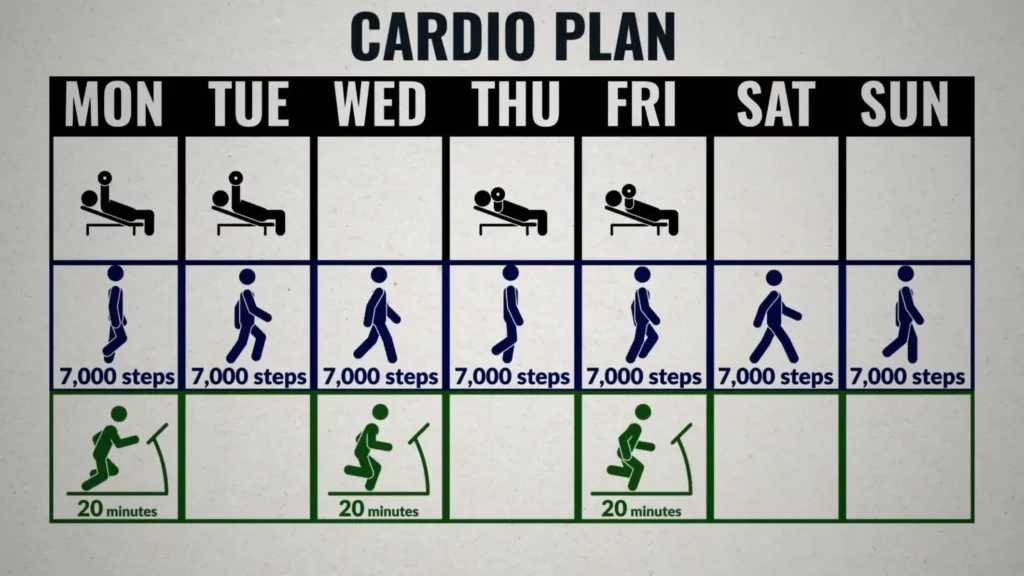
For effective fat burning, aim for at least 30 to 45 minutes of moderate-intensity cardio most days of the week. This duration helps maximize fat loss while keeping you energized and motivated. Consistency and intensity are key—longer sessions may be beneficial but should be balanced with your fitness level and schedule.
To shed fat through cardio, most people should aim for about 30 to 45 minutes per session, several times a week. The goal is to find a sustainable routine that you enjoy so you’ll stick with it. Whether you prefer brisk walking, cycling, or running, the right amount of cardio can help accelerate fat loss, especially when paired with a balanced diet. The important thing is to listen to your body, gradually increase your workout duration, and stay consistent for the best results.
Starting a fitness journey focused on burning fat can be exciting but confusing with so many opinions out there. Cardio is a popular method, but how much is enough? The truth is, doing around 30 to 45 minutes of moderate-intensity cardio, like brisk walking or cycling, most days of the week, strikes a good balance between effectiveness and sustainability. This approach helps your body tap into fat stores efficiently without risking burnout. Remember, consistency and enjoyment are vital—if you find an activity you love, you’ll be more likely to stick with it long-term and see real results.

How Long Should You Do Cardio to Burn Fat
Understanding the right amount of cardio is key to effectively burning fat. Many people wonder how long they should keep moving to see results without overdoing it. The answer depends on several factors, including your fitness level, goals, and the type of cardio you choose.
Why Cardio Is Important for Fat Loss
Cardio exercises increase your heart rate and calorie burn, which helps reduce body fat. Regular cardio can improve your overall metabolism and cardiovascular health. It’s a simple way to burn calories quickly and effectively.
When performed consistently, cardio can help create a calorie deficit, which is essential for fat loss. Plus, it boosts mood and energy levels, making it easier to stay committed to your fitness plan.
Understanding Different Types of Cardio
Steady-State Cardio
This involves maintaining a consistent pace over a period. Examples include brisk walking, jogging, and cycling. It’s effective for burning calories during the workout and can be sustained for longer periods.
High-Intensity Interval Training (HIIT)
HIIT alternates short bursts of intense activity with recovery periods. This method burns a lot of calories in a shorter time and boosts your metabolism even after the workout ends.
Low-Intensity Cardio
Activities like slow walking or gentle swimming fall into this category. They are less strenuous and ideal for recovery days or beginners.
How Long Should You Do Cardio for Effective Fat Burn
The duration of your cardio sessions depends on your fitness goals and current level. Generally, a combination of different approaches works best for most people aiming to lose fat.
For beginners, starting with 20 to 30 minutes three times a week can build consistency and prevent burnout. As you get fitter, gradually increase to 45 or 60 minutes per session.
For those looking for maximum fat loss, 60 minutes of moderate to high-intensity cardio can be highly effective. However, it’s crucial to listen to your body and avoid overtraining.
Optimal Duration for Different Goals
Burning Fat Quickly
- 30 to 45 minutes of moderate-to-high intensity cardio three to five times a week is ideal.
- Integrate HIIT workouts for shorter, more intense sessions lasting 20 to 30 minutes.
Maintaining Fat Loss
- Consistent 40 to 60-minute sessions help sustain fat loss over time.
- Mix steady-state and interval training for variety and better results.
Building Endurance
- Longer sessions of 60 minutes or more improve stamina and overall calorie burn.
- Gradually increase duration as your fitness improves.
Frequency and Rest Days
Doing cardio most days of the week, such as five to six, can accelerate fat burning. However, include rest days or low-intensity activities like walking or stretching.
This allows your body to recover and prevents injury. Rest days are just as important as workout days for long-term progress.
Balancing Cardio with Other Workouts
Combine cardio with strength training to maximize fat loss. Building muscle increases your resting metabolic rate, leading to more calorie burn even when resting.
On days when you do strength training, opt for shorter or lower-intensity cardio sessions to avoid fatigue. Balance is key to sustainable, effective fat reduction.
Monitoring Your Progress
Use tools such as heart rate monitors or fitness trackers to stay in the optimal fat-burning zone. This zone typically falls between 50% and 70% of your maximum heart rate.
Tracking your workouts helps you adjust duration and intensity as needed, ensuring continuous progress toward your goals.
Common Mistakes to Avoid
- Overdoing cardio, which can lead to burnout and injury.
- Skipping rest days, resulting in fatigue and potential setbacks.
- Focusing only on cardio and neglecting strength training or flexibility exercises.
Always listen to your body and aim for a balanced workout routine that includes variety and sufficient recovery.
Tips for Making Cardio More Effective
- Increase intensity gradually to challenge your body without risking injury.
- Stay hydrated and eat properly before and after workouts to fuel your body.
- Mix different types of cardio to prevent boredom and target different muscle groups.
Adding variety keeps your routine interesting and maximizes fat-burning potential.
Additional Considerations
Diet and Nutrition
Cardio alone isn’t enough. Maintain a healthy diet with a caloric deficit to see significant fat loss. Focus on whole foods, lean proteins, and plenty of vegetables.
Consistency Over Time
Regular, consistent cardio sessions produce better results than intermittent, sporadic efforts. Patience and persistence pay off in fat loss journeys.
Personalizing Your Routine
Consider your age, fitness level, and preferences when designing your cardio plan. Personalized routines lead to better adherence and success.
Figuring out how long you should do cardio to burn fat is about finding the right balance for your body and goals. Combining various durations and intensities, staying consistent, and supporting your workouts with proper nutrition will lead to the best results. Remember, every bit of movement counts in your journey to a healthier, leaner body.
Frequently Asked Questions
How does workout intensity influence the duration needed for fat burning?
Higher-intensity cardio sessions can help burn more calories in less time, but they often require shorter durations to be effective. For moderate-intensity workouts, you might need to exercise longer to achieve similar fat-burning results. Balancing intensity with duration based on your fitness level ensures you maximize fat loss without overexertion.
Is it better to do longer, steady-state cardio or shorter, high-intensity sessions for fat loss?
Both approaches can effectively promote fat loss. Longer, steady-state cardio sessions typically last between 45 to 60 minutes and help burn calories over an extended period. High-intensity interval training (HIIT) sessions are shorter, usually 20 to 30 minutes, but can burn more calories in less time and boost metabolism after exercise. Choosing the right method depends on your schedule and fitness preferences.
How often should I perform cardio workouts to see continuous fat-burning results?
Engaging in cardio exercises three to five times per week provides consistent stimulation for fat loss. Consistency is key; ensure each session lasts between 30 to 60 minutes, depending on your intensity level. Combining regular cardio with strength training and a balanced diet accelerates your progress and helps maintain motivation.
Can I see fat-burning benefits with shorter cardio sessions if I do them frequently?
Yes, shorter sessions conducted daily or almost daily can contribute to fat loss, especially when combined with proper diet and other physical activities. Aim for at least 20 to 30 minutes per session and include varied intensities to keep your workouts effective and engaging.
What signs indicate I should increase or decrease my cardio duration for better fat loss?
If you notice your weight loss plateauing or your workouts feeling less challenging, consider increasing your duration or intensity slightly. Conversely, if you feel overly fatigued, sore, or lack motivation, reduce your exercise time or intensity and allow your body to recover. Listening to your body helps tailor your routine for optimal fat-burning results.
Final Thoughts
The ideal duration for cardio to burn fat varies individually, but generally, 30 to 60 minutes per session proves effective. Consistency matters more than intensity, so sticking to a routine helps optimize results.
If you want to see progress, aim for at least 3 to 5 sessions weekly. Listen to your body and gradually increase duration as your fitness level improves.
In conclusion, how long should you do cardio to burn fat? The answer depends on your goals and fitness level, but a 30 to 60-minute session is a good starting point.
As an Amazon Associate, We earn from qualifying purchases. When you purchase a product through Amazon links on pulsefitguide.com, we may earn a small commission at no extra cost to you. This helps support the site and keep our content free.
