


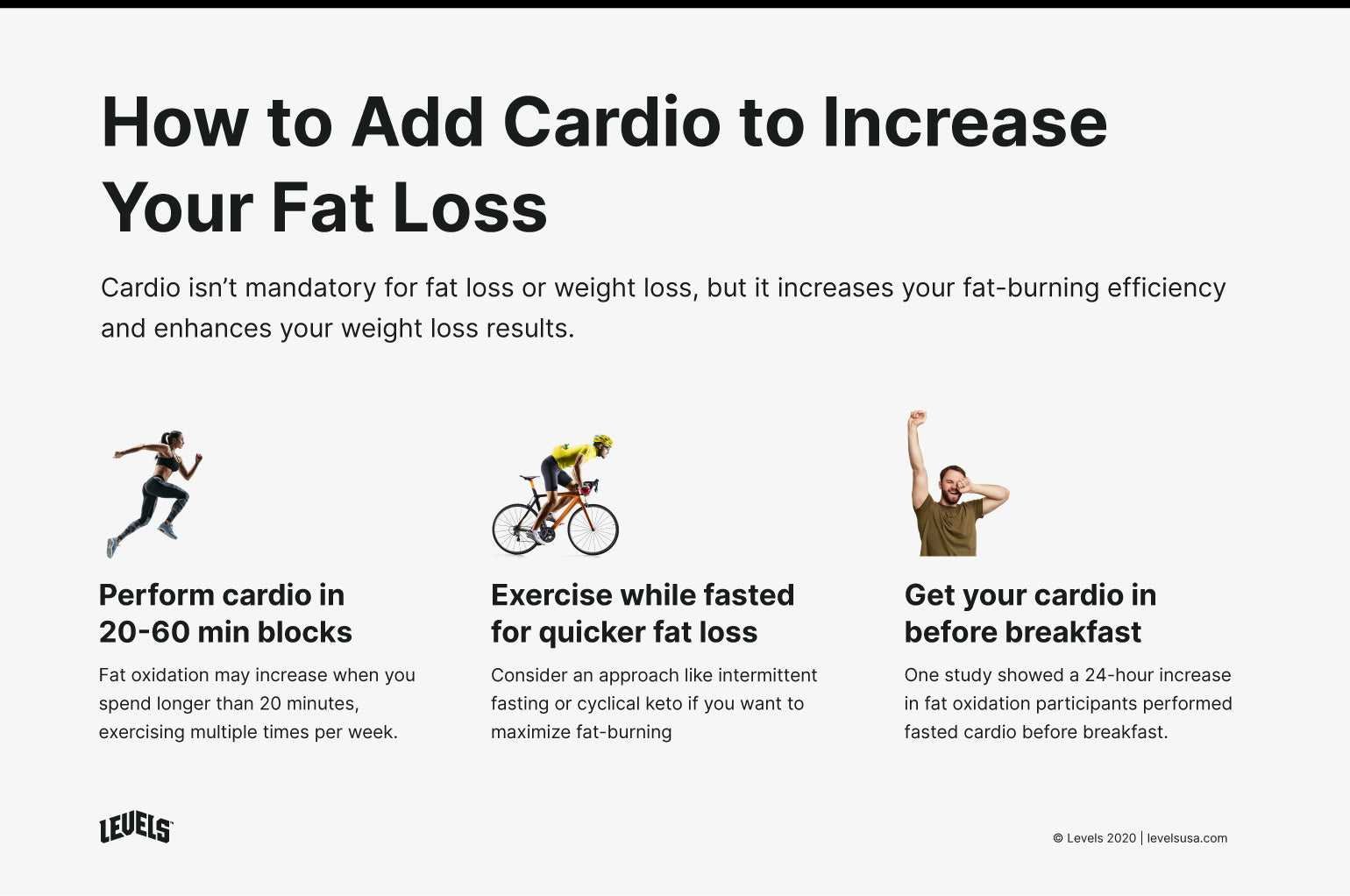
For effective weight loss, aim for at least 150 minutes of moderate-intensity cardio per week, or about 30 minutes most days. For even better results, increasing to 300 minutes can significantly boost fat burning. Remember, consistency and intensity matter just as much as duration.
If you’re wondering how long you should do cardio to shed those extra pounds, the answer depends on your goals and current fitness level. Generally, aiming for around 30 to 60 minutes per session, at moderate intensity, several times a week, can help you burn calories and promote weight loss. It’s important to find a balance that fits your lifestyle—too little won’t make a difference, and too much might lead to burnout or injury. Starting with manageable sessions and gradually increasing duration will keep you motivated and ensure steady progress on your weight loss journey.

How Long Should You Do Cardio to Lose Weight?
Understanding the Basics of Cardio Exercise
Cardio exercise, also called aerobic exercise, helps your body burn calories and fat. It includes activities like walking, running, cycling, swimming, and dancing. The goal is to keep your heart rate elevated for a period of time.
The key to effective weight loss through cardio is balancing how long and how intensely you exercise. Doing cardio regularly can boost your metabolism, helping you burn calories even after you finish working out.
Why Duration Matters in Cardio for Weight Loss
Duration refers to how long you perform cardio each session. Longer sessions can help you burn more calories, but the quality of your workout also matters.
Research shows that doing cardio for at least 150 minutes a week supports weight loss. Breaking this into sessions of about 30 minutes, five days a week, makes it easier to stay consistent.
- Shorter sessions of 10 to 20 minutes can still help, especially if done frequently.
- Extended sessions of 45 minutes to an hour can increase calorie burn significantly.
- Very long sessions over an hour might be helpful for experienced exercisers, but they can lead to fatigue or injury if not managed properly.
How Long Should You Do Cardio to Lose a Pound?
To lose one pound of body weight, you need to burn approximately 3,500 calories more than you consume. The duration of your cardio depends on your weight, workout intensity, and metabolic rate.
For example, a person weighing 150 pounds burns around 300 calories during 30 minutes of brisk walking. To lose one pound, they would need to do this for roughly 11 to 12 sessions.
| Weight (pounds) | Calories Burned per 30 Minutes | Sessions Needed to Burn 3,500 Calories |
|---|---|---|
| 120 | 180 | about 20 |
| 150 | 300 | about 12 |
| 180 | 360 | about 10 |
This shows that heavier individuals may burn more calories doing the same activity in the same time. Adjusting your workout duration helps meet your weight loss goals effectively.
High-Intensity Interval Training Versus Steady-State Cardio
High-Intensity Interval Training (HIIT) involves alternating short bursts of intense activity with recovery periods. This method can produce more calorie burn in less time compared to steady-state cardio.
“In a typical HIIT session lasting about 20 minutes, you can burn as many calories as a 40-minute steady-state workout.”
Steady-state cardio, like jogging at a consistent pace, may be easier for beginners. However, incorporating both types can optimize fat loss and improve cardiovascular health.
The Ideal Duration Based on Fitness Level
Beginners should start with shorter sessions, such as 10 to 15 minutes, and gradually increase. As fitness improves, increasing workout duration to 30 to 45 minutes becomes more effective.
Intermediate and advanced exercisers might aim for 45 minutes to an hour to maximize calorie expenditure. Remember, consistency is more important than duration alone.
For Beginners:
- Start with 10 to 15 minutes sessions
- Focus on maintaining a moderate pace
- Ensure proper warm up and cool down
For Intermediate and Advanced:
- Perform 30 to 60 minutes sessions
- Mix steady-state with interval workouts
- Monitor intensity to avoid overtraining
Balancing Cardio Duration with Other Factors
While duration is important, other factors influence weight loss:
- Intensity: High-intensity workouts burn more calories in less time.
- Frequency: Exercising 3 to 5 times weekly supports steady progress.
- Diet: A healthy diet complements your cardio routine for best results.
- Rest and Recovery: Adequate rest prevents injuries and promotes better performance.
Adequate sleep and stress management also play roles in weight loss success.
Monitoring Progress and Adjusting Duration
Track your workouts and weight loss progress regularly. If you plateau, consider increasing your workout duration or intensity.
Using a fitness tracker or app can help you see how many calories you’re burning. Adjust your routine based on your goals and how your body responds.
Safety Tips for Cardio Workouts
Always warm up before starting and cool down afterward. Stay hydrated and wear suitable clothing and footwear.
Listen to your body—if you feel dizzy, short of breath, or experience pain, stop and rest. Consulting with a healthcare provider is advisable before starting a new exercise routine, especially if you have existing health conditions.
Summary
The ideal length of your cardio session depends on your fitness level, goals, and schedule. Generally, doing at least 150 minutes of moderate-intensity cardio weekly can support weight loss. Longer sessions of 30 to 60 minutes, combined with proper diet and consistency, are most effective. Incorporate a mix of steady-state and interval workouts for variety and optimal results.
Remember, consistency matters more than perfection. Developing a sustainable routine that fits your life will help you lose weight safely and keep it off.
Frequently Asked Questions
How often should I do cardio each week to see weight loss results?
For effective weight loss, aim to perform cardio exercises at least 3 to 5 times per week. Consistency matters more than the duration of individual sessions. Combining regular cardio with a healthy diet will help you create a calorie deficit necessary for losing weight. Listen to your body and gradually increase frequency as your endurance improves.
What is the minimum amount of time I should spend on cardio to lose weight?
To promote weight loss, aim for a minimum of 150 minutes of moderate-intensity cardio activity per week, such as brisk walking or cycling. This can be split into sessions of about 30 minutes, five days a week. If you prefer high-intensity workouts, shorter durations like 20-30 minutes can also be effective when performed regularly.
Can doing longer cardio sessions help me lose weight faster?
Longer cardio sessions can contribute to increased calorie burn, but quality matters more than duration. Extended sessions of 45 to 60 minutes can boost weight loss, especially when combined with proper nutrition. However, avoid overtraining, and ensure you incorporate rest days to prevent injury and fatigue.
Should I do cardio before or after strength training for weight loss?
Both options work, but doing cardio after strength training can help maximize fat burning. Strength training builds muscle, which increases your resting metabolic rate, while cardio burns calories during the workout. Alternating between the two or combining them on different days can provide balanced results.
How can I determine if my cardio routine is effective for weight loss?
Track your progress by monitoring changes in your weight, body measurements, or how your clothes fit. Additionally, assess your endurance levels and energy during workouts. If you notice consistent improvements and are maintaining a calorie deficit, your cardio routine effectively supports your weight loss goals.
Final Thoughts
The ideal duration for cardio to lose weight varies based on individual goals and fitness levels. Generally, 150 minutes of moderate-intensity or 75 minutes of high-intensity cardio weekly proves effective.
When asking how long should you do cardio to lose weight, consistency matters more than the length of each session. Break your workouts into manageable periods, such as 30-45 minutes, and gradually increase as you improve.
Staying active regularly supports weight loss while preventing burnout. Find a routine that fits your lifestyle and stick with it to see sustained results.
As an Amazon Associate, We earn from qualifying purchases. When you purchase a product through Amazon links on pulsefitguide.com, we may earn a small commission at no extra cost to you. This helps support the site and keep our content free.
