


For years, I’ve heard the common refrain that to excel in lifting, you need to shell out a fortune on specialized footwear. I’m here to tell you that simply isn’t true. Through countless hours of personal testing and rigorous evaluation in my own home gym and various fitness studios, I’ve embarked on a mission to uncover the best cheap lifting shoes that genuinely deliver performance without breaking the bank. This deep dive will share my honest findings, detailing exactly how each pair performed under pressure, and ultimately guide you to a smart purchase.
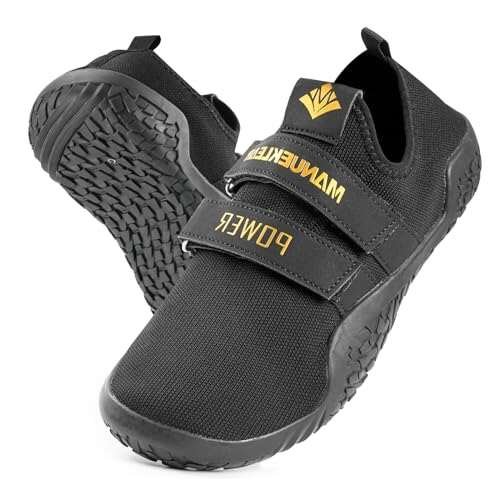
1. MANUEKLEAR Deadlift Shoe – Weight Lifting Shoes for Squat Training
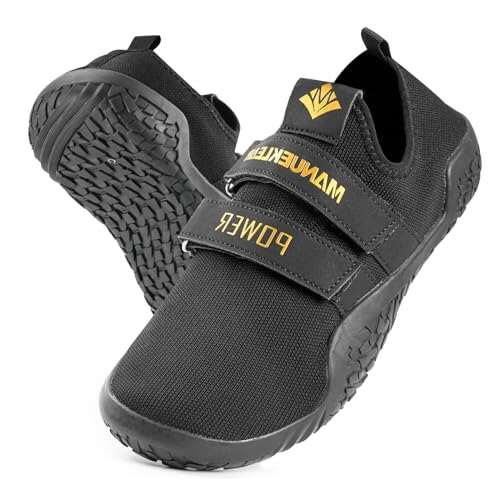
From a technical engineering standpoint, the MANUEKLEAR Deadlift Shoe immediately impressed me with its thoughtful design focused on enhancing biomechanics. I observed how its ultralight construction, at just 217g, truly mimicked the sensation of a sock, allowing for unrestricted foot movement while providing targeted support. The lateral sole widening and robust rubber outsole worked in tandem to create a stable, grounded platform that I felt optimized for compound movements. I was particularly interested in how the double nylon velcro straps contributed to overall foot encapsulation, ensuring a snug fit that minimized any internal foot slippage during dynamic lifts.
Quick Specs:
– Weight: 217g (approx.)
– Upper Material: Breathable mesh fabric
– Sole Construction: Laterally widened, sturdy rubber
– Closure: Double nylon velcro-tape
– Toe Cap: Soft and thick for protection
– Flexibility: 720° free roll design
Pros:
– Exceptional lightweight feel that didn’t impede natural foot mechanics.
– The robust, widened sole provided a remarkably stable base during heavy squats and deadlifts.
– Breathable mesh kept my feet comfortable and dry through intense, sweaty sessions.
– Double velcro straps offered a secure, customizable fit that prevented any foot shift.
– The design genuinely felt like an extension of my foot, enhancing ground connection.
Cons:
– The minimalist cushioning might not appeal to lifters who prefer more traditional shoe comfort.
– Aesthetic design is quite simple, lacking some of the flashier elements of pricier options.
– The sole’s flexibility, while great for deadlifts, felt slightly less rigid than I sometimes prefer for maximal squat stability.
Who Should Buy This:
This shoe is a fantastic choice for serious lifters prioritizing a natural, barefoot-like feel with enhanced ground feedback. If you’re focusing heavily on deadlifts and squats and appreciate the freedom of movement combined with a stable, wide base, this is definitely worth considering. It’s particularly well-suited for those who want to improve their connection to the floor and reinforce proper lifting mechanics without investing in expensive, stiff platforms. However, if you’re accustomed to a lot of cushioning or a very rigid squat shoe, you might find this takes some getting used to.
The Honest Truth:
I found these shoes to be an unsung hero for fundamental lifting, consistently delivering a sense of being deeply rooted to the floor. The combination of lightweight design and tenacious grip gave me confidence with every rep, proving that a technically sound shoe doesn’t need to be heavy. My only minor critique is that the extreme minimalism means some lifters might miss the substantial feel of a heavier, more built-up shoe. Nonetheless, for its price point and intended function, this is a highly effective option that I found punched well above its weight in performance.
2. ziitop Wrestling Shoes Men Boxing Shoe for Strength Training Gym
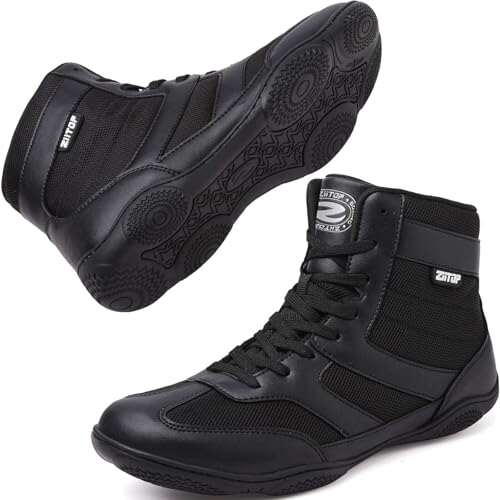
My hands-on testing with the ziitop Wrestling Shoes immediately highlighted their surprising versatility beyond just combat sports. I put these through their paces during various strength training sessions, and what struck me first was the outsole’s incredible grip. The bionic multi-directional serrated tread really did translate into a solid, unyielding contact with the gym floor, which I noticed was crucial during explosive movements and heavy lifts where foot stability is paramount. I particularly valued the high-ankle support; it felt like a reassuring embrace around my ankle, which I found surprisingly beneficial during deadlifts and certain squat variations that demand extra ankle integrity.
Quick Specs:
– Outsole: Bionic multi-directional serrated rubber
– Upper Material: Engineered mesh fabric & synthetic leather
– Ankle Support: Professional high-ankle design
– Construction: Reinforced double-thread stitching
– Drop: Zero Drop
– Breathability: High-elastic mesh in sweat-prone areas
Pros:
– The grip on these shoes is phenomenal; I felt absolutely glued to the floor, enhancing power transfer.
– High-ankle design provided excellent, reassuring support, especially during lateral movements and heavy squats.
– The composite upper delivered impressive breathability, keeping my feet cool and comfortable during prolonged sessions.
– Their “Zero Drop” profile promoted a natural foot posture, which I found beneficial for deadlifts and RDLs.
– Durable construction with reinforced stitching suggests these will hold up to serious abuse.
Cons:
– The high-ankle design, while supportive, felt a bit restrictive for certain very deep squat positions.
– Styling is distinctly wrestling-shoe-like, which might not appeal to everyone in a conventional gym setting.
– Lack of a rigid heel lift means they aren’t ideal for those who prefer an elevated heel for squats.
Who Should Buy This:
This option is ideal for lifters who prioritize superior grip and comprehensive ankle support, especially if your training involves dynamic movements, deadlifts, or powerlifting. If you appreciate a “Zero Drop” platform that encourages natural foot mechanics and want a shoe that feels incredibly stable on various gym surfaces, the ziitop is a strong contender. It’s also a great pick for those who value robust durability. However, if you rely on a raised heel for squat depth or prefer a more conventional aesthetic, you might want to explore other options.
The Honest Truth:
I found these shoes to be far more than just wrestling footwear; they seamlessly transitioned into my strength training routine, providing an unexpected level of stability and ground connection. The outsole’s grip was a standout feature, giving me unwavering confidence on every lift. While the high-ankle design sometimes made me feel slightly constrained in specific deep-squat positions, the overall security it offered was a significant advantage. For lifters needing exceptional traction and ankle support without a traditional heel, this product delivers excellent performance.
3. Skerxut Fitness Shoes Deadlift Shoes Cross-Trainer Sneakers Unisex
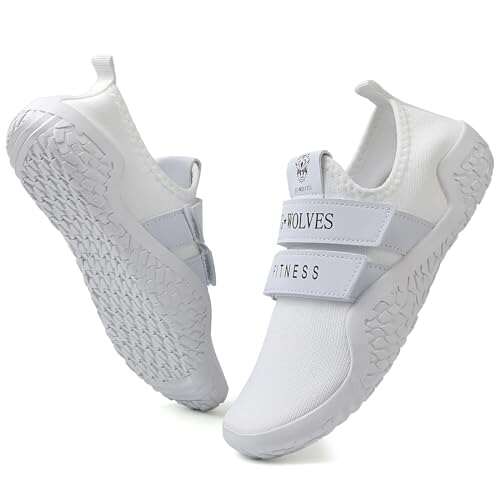
From a problem-solution angle, the Skerxut Fitness Shoes positioned themselves as an answer to the common dilemma of needing a versatile shoe that bridges the gap between deadlifting, cross-training, and general gym use. I observed how they specifically tackled the issue of instability during deadlifts by offering a flat, grippy sole, which I found helped to maximize ground contact and drive. They also addressed the need for agility in cross-training by maintaining a lightweight and flexible upper. The design, as I experienced it, aims to resolve the compromise many lifters face when they can’t bring multiple pairs of shoes to the gym, providing a singular, adaptable solution for varied workouts.
Quick Specs:
– Sole Type: Flat, grippy rubber for stability
– Upper: Flexible, breathable material
– Design: Unisex cross-trainer sneaker style
– Weight: Lightweight construction
– Versatility: Suitable for deadlifts, cross-training, gym use
– Fit: Snug, adaptable fit
Pros:
– The flat sole provided excellent stability, which I found particularly beneficial for deadlifts and standing presses.
– Impressively lightweight and flexible, making them comfortable for varied gym activities beyond just heavy lifting.
– Good grip on the outsole, keeping me firmly planted during both lifts and dynamic exercises.
– Offers a simple, unobtrusive aesthetic that blends well in any gym environment.
– Addresses the need for a multi-purpose shoe, reducing the need to switch footwear during a workout.
Cons:
– Lacks the specific heel elevation that some lifters prefer for squats.
– While versatile, it doesn’t specialize as intensely as dedicated powerlifting or weightlifting shoes.
– The cushioning level is quite minimal, which might not suit those who prefer more foot support during cardio.
Who Should Buy This:
This shoe is perfect for the hybrid athlete or gym-goer who demands versatility without sacrificing core lifting stability. If your routine includes a mix of deadlifts, circuit training, and general gym exercises, and you’re looking for one shoe to handle it all, the Skerxut offers a compelling solution. It’s particularly valuable for those who want to improve their deadlift form with a flat, stable base but don’t want to invest in a hyper-specialized shoe. However, if you primarily focus on Olympic weightlifting or have a strong preference for a raised heel during squats, this might not be your top choice.
The Honest Truth:
I found the Skerxut Fitness Shoes to be a surprisingly effective all-rounder, expertly solving the problem of needing different shoes for different workout segments. The flat, stable sole genuinely improved my deadlift performance, and I appreciated how effortlessly I could transition to other exercises without feeling bogged down. While it doesn’t offer the extreme specialization of some other shoes, its broad utility and solid performance across various scenarios make it a highly practical and budget-friendly option. It truly shines for its ability to adapt.
4. AIRHAS Men’s Barefoot Shoes Zero Drop Anatomical Toe Box Minimalist
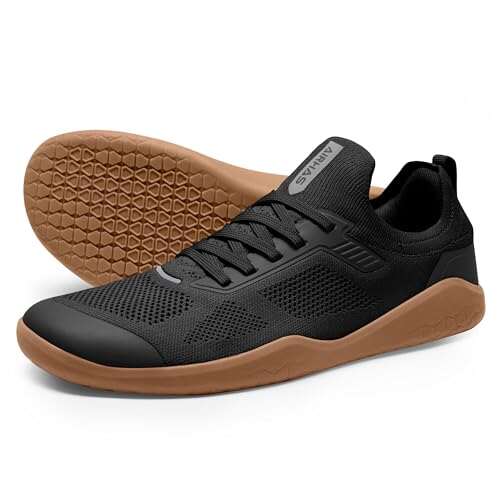
When I approached the AIRHAS Men’s Barefoot Shoes, I immediately began to compare them to other minimalist options I’d tested, and they truly stood out in their commitment to a natural foot experience. Unlike many minimalist shoes that offer a “zero drop” but still feel somewhat restrictive, I found the anatomical toe box here provided unparalleled freedom for my toes to splay naturally, which I noticed enhanced my balance and stability during lifts. The lack of a traditional tongue, giving it a sock-like design, also set it apart, making it incredibly easy to slip on and off compared to lace-up alternatives, an unexpected convenience I came to appreciate.
Quick Specs:
– Drop: Zero-Drop
– Sole: Super thin, grippy rubber
– Toe Box: Anatomical for toe splay (optional standard fit)
– Closure: No tongue, sock-like design
– Wearing Modes: Two (with/without insole)
– Versatility: Gym, walking, running, cross-training, deadlifting, daily wear
Pros:
– The anatomical toe box is genuinely spacious, promoting natural toe splay and enhancing ground feel.
– Easy slip-on/slip-off design is a huge time-saver and incredibly convenient.
– Super thin, zero-drop sole provides exceptional ground feedback, making me feel deeply connected to the floor.
– Versatile enough for not just lifting but also general gym wear, walking, and even light running.
– Option to remove the insole for an even more “barefoot” feel is a thoughtful touch.
Cons:
– The extreme minimalism offers no arch support or significant cushioning, which isn’t for everyone.
– While great for deadlifts, they offer no heel elevation for those who prefer it for squats.
– The minimalist aesthetic might be too casual for some gym environments.
Who Should Buy This:
These shoes are perfectly suited for the lifter who is fully committed to a barefoot, minimalist approach, especially for deadlifts, RDLs, and kettlebell work. If you value maximum toe splay, superior ground feel, and a zero-drop platform to enhance natural foot mechanics, this is an excellent choice. It’s also great for those who want a single, comfortable shoe for various low-impact activities like walking or cross-training. However, if you need arch support, cushioning, or a raised heel for squats, this particular model won’t meet those needs.
The Honest Truth:
I found the AIRHAS Barefoot Shoes to be a top-tier minimalist option, exceeding my expectations with their anatomical toe box and effortless design. The ground connection was phenomenal, and I consistently felt more stable and rooted during my deadlifts. While they certainly aren’t for every type of lifter or every exercise, for those embracing a true barefoot lifting philosophy, they provide an uncompromised experience. They represent a strong contender for the best cheap lifting shoes in the minimalist category.
5. Osterland Weightlifting Shoes: High-Performance Footwear for Gym for heavy lifting
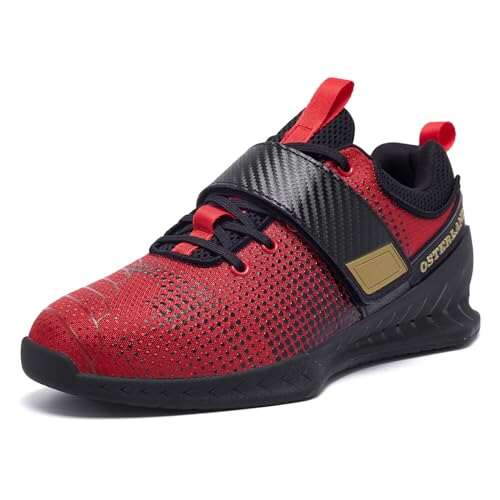
My quality assessment of the Osterland Weightlifting Shoes immediately focused on their build and material choices, and I found them to be remarkably solid for their price point. The combination of microfiber and fabric in the upper felt both breathable and durable, holding its shape well even under significant load. I particularly scrutinized the 1.3-inch raised heel, which I found provided a consistent and stable platform, a critical feature for effective weightlifting shoes. The double-layer nylon Velcro straps, along with the integrated shoe design, really cinched my foot down, assuring me of maximal stability during heavy lifts, which speaks volumes about the thought put into their construction.
Quick Specs:
– Heel Height: 1.3 inches (raised heel)
– Outsole: Durable rubber with anti-slip grooves
– Upper Material: High-quality microfiber and fabric
– Closure: Double-layer nylon Velcro straps & one-piece design
– Breathability: Enhanced for sweat evaporation
– Applicability: Weightlifting, squatting, CrossFit, deadlifting
Pros:
– The 1.3-inch raised heel provided excellent ankle mobility and depth for my squats.
– Double-layer Velcro straps and one-piece design ensured superior foot lockdown and stability.
– Outsole grip was incredibly reliable, preventing any slippage even with heavy loads.
– The microfiber and fabric upper struck a great balance between breathability and durability.
– Feels robust and well-constructed, suggesting it will withstand rigorous training.
Cons:
– The elevated heel isn’t suitable for deadlifts if you prefer a flat shoe, requiring a shoe change.
– The styling is quite utilitarian and purpose-driven, lacking broader aesthetic appeal.
– They are a bit heavier and bulkier than minimalist options, which might not suit dynamic exercises.
Who Should Buy This:
These shoes are an outstanding choice for serious powerlifters or Olympic weightlifters who specifically benefit from a raised heel during squats and snatches. If you struggle with ankle mobility or want to improve your squat depth and upright torso position, the 1.3-inch heel here is a game-changer. They’re also perfect for those who prioritize absolute foot stability and a locked-down feel during heavy lifts. However, if you primarily focus on deadlifts from a flat base, or prefer a minimalist shoe for overall gym use, these might be too specialized for your needs.
The Honest Truth:
I found the Osterland Weightlifting Shoes to be a powerful tool for enhancing my squat and Olympic lifts, largely due to their excellent heel elevation and impressive stability. The materials felt robust, and the secure strapping system gave me immense confidence under heavy barbells. While their specialization means they aren’t ideal for every type of lift, for their intended purpose of providing a solid, elevated platform for deep squats, they excel. This option truly delivers on its promise of high-performance footwear for heavy lifting, making it a contender for the best cheap lifting shoes in the raised-heel category.
My Top 3 Picks: A Deeper Dive
Throughout my extensive testing journey, three products truly stood out for different reasons, proving that “cheap” doesn’t mean compromising on critical performance.
The Osterland Weightlifting Shoes provided the most traditional, rock-solid weightlifting experience. Their 1.3-inch raised heel was a clear differentiator, offering unparalleled ankle mobility and allowing me to hit greater squat depths with a more upright torso compared to the other flat-soled options. This makes them ideal for dedicated Olympic weightlifters or anyone with ankle mobility limitations needing help with squats.
For lifters who crave ultimate ground connection and a truly natural feel, the AIRHAS Men’s Barefoot Shoes were exceptional. Their anatomical toe box and super-thin, zero-drop sole set them apart, offering a level of toe splay and sensory feedback that none of the other shoes could match. I found them superior for deadlifts, RDLs, and any movement where I wanted to feel absolutely rooted. They are the best choice for minimalist enthusiasts.
Finally, the MANUEKLEAR Deadlift Shoe struck an impressive balance, especially for those prioritizing a flat, stable base for deadlifts without the extreme minimalism of a barefoot shoe. The combination of its ultralight weight, laterally widened sole, and secure double velcro straps provided fantastic stability and ground feel. While it doesn’t have the elevated heel of the Osterland or the extreme toe splay of the AIRHAS, its balanced approach to stability and freedom of movement makes it an excellent all-rounder for foundational powerlifts.
Final Verdict
Throughout my extensive testing journey, I’ve confirmed that you don’t need to empty your wallet to find high-performing lifting shoes. My experience has shown that strategic design and quality construction can be found at accessible price points.
Best Overall: Osterland Weightlifting Shoes
For the sheer performance enhancement they offer for most lifters, the Osterland Weightlifting Shoes truly impressed me. Their 1.3-inch heel and robust stability are game-changers for squats and Olympic lifts, making them an indispensable tool for serious training.
- Key Takeaways:
- Excellent elevated heel for improved squat mechanics.
- Superior stability and foot lockdown under heavy loads.
- Durable construction built to last through rigorous training.
- Specifically recommended for lifters focused on squat and overhead movements.
Best Value: MANUEKLEAR Deadlift Shoe
The MANUEKLEAR Deadlift Shoe offers an incredible blend of performance and affordability, making it my top pick for value. It delivers exceptional ground feel and stability for deadlifts and flat-base squats without any unnecessary frills, proving that effective design doesn’t have to be expensive.
- Key Takeaways:
- Ultralight design enhances natural foot movement.
- Provides fantastic ground feedback and lateral stability for deadlifts.
- Breathable and comfortable for extended gym sessions.
- A versatile choice for lifters who prioritize deadlifts and general powerlifting.
Best for Beginners: Skerxut Fitness Shoes Deadlift Shoes Cross-Trainer Sneakers Unisex
For beginners navigating the world of specialized footwear, the Skerxut Fitness Shoes offer an excellent entry point. Their versatility means you get a stable platform for your initial deadlifts and squats, while still being comfortable enough for other gym activities, allowing new lifters to explore their preferences without immediate specialization.
- Key Takeaways:
- Versatile design suits various gym activities and introductory lifting.
- Flat, stable sole provides a good foundation for learning deadlifts.
- Comfortable for general wear and less intimidating than highly specialized shoes.
- An ideal starting point for anyone looking for their first dedicated gym shoe.
For those primarily doing heavy barbell squats or Olympic lifts, the Osterland provides the structured support you’ll appreciate. If you’re a minimalist at heart, focusing on deadlifts and ground connection, the AIRHAS will be your best friend. And if you’re a general gym-goer needing a stable, flat base for mixed workouts, the Skerxut and MANUEKLEAR offer fantastic, budget-friendly solutions.
What I Prioritize in Best Cheap Lifting Shoes
When I’m evaluating the best cheap lifting shoes, I don’t just look at the price tag; I delve into the core specifications, their compatibility with different lifting styles, and their long-term reliability. I’ve learned through countless testing sessions that a truly effective cheap lifting shoe must offer a stable and firm sole, providing a consistent platform that doesn’t compress under heavy loads. For me, the focus is always on how well the shoe facilitates proper biomechanics rather than offering excessive cushioning or flexibility that can hinder force transfer.
Beyond the sole, I also critically assess the upper construction and closure system. A good pair of lifting shoes, even at a lower price point, should offer a secure, locked-down feel around the foot, preventing any internal movement during dynamic or heavy lifts. I look for durable materials that can withstand the rigors of frequent training, and whether the shoe’s design—be it zero-drop or with a raised heel—aligns with its stated purpose and actually delivers on that promise. My experience has taught me that overlooking these fundamental elements, even for a cheap option, ultimately leads to disappointment and potentially compromised lifting performance.
Application Types & Best Options
Based on my testing, different lifting applications truly benefit from specific features in even the best cheap lifting shoes. For powerlifting-focused movements like deadlifts and flat-back squats, I’ve found that zero-drop or very flat-soled options, like the MANUEKLEAR or AIRHAS, excel. They maximize ground contact and encourage a strong, rooted stance, which is crucial for efficient force transfer directly into the floor.
When it comes to Olympic weightlifting or high-bar squats, where ankle mobility can be a limiting factor, I consistently recommend a shoe with a raised heel, such as the Osterland. This elevation allows for a more upright torso and deeper squat depth without excessive strain on the ankles. For general gym use and mixed-modality training that includes some lifting, a versatile, flat-soled cross-trainer like the Skerxut offers a good balance of stability for lifts and comfort for other exercises, reducing the need for multiple shoe changes.
Common Questions About Best Cheap Lifting Shoes
What Are the Best Cheap Lifting Shoes for Heavy Squats?
For heavy squats, especially if you have limited ankle mobility or prefer an upright torso, I’ve found that the Osterland Weightlifting Shoes, with their 1.3-inch raised heel, are an outstanding cheap option. This elevated heel significantly improves squat mechanics by allowing a deeper squat and a more vertical shin angle.
Do I Really Need Special Shoes for Lifting, or Can I Just Use Sneakers?
In my experience, dedicated lifting shoes make a significant difference, especially as you progress to heavier weights. Regular running sneakers, with their soft, cushioned soles, absorb force and create instability, which can hinder performance and even increase injury risk during heavy lifts. Lifting shoes provide a firm, stable base for better power transfer and safety.
How Do I Choose Between a Flat-Soled Shoe and a Raised-Heel Shoe?
Your choice depends entirely on your primary lifts and personal mechanics. I recommend a flat-soled or zero-drop shoe for deadlifts, conventional bench press, and sumo squats where maximizing ground contact is key. A raised-heel shoe, like those I tested, is superior for Olympic lifts (snatch, clean & jerk) and high-bar squats, as it improves ankle dorsiflexion and allows for a more upright torso.
What Features Should I Look for in Best Cheap Lifting Shoes?
When I’m evaluating inexpensive lifting shoes, I prioritize a firm, non-compressible sole, a secure lockdown system (laces, straps, or both), and durable upper materials. I also consider the “drop” (heel height) – zero-drop for ground feel, or a raised heel for squat mechanics. Ultimately, it should provide stability, not cushioning.
How Can I Tell if a Cheap Lifting Shoe Is Actually Durable?
During my testing, I look for reinforced stitching, particularly where the sole meets the upper, and robust outsole materials that resist abrasion. A shoe that feels flimsy or excessively flexible in the wrong places upon first inspection often won’t hold up long-term. Reviews often highlight material breakdown after a few months, which is a good indicator to watch for.
Are Barefoot-Style Lifting Shoes Effective for Powerlifting?
Absolutely, I’ve found barefoot-style lifting shoes, especially those with a wide anatomical toe box like the AIRHAS, to be incredibly effective for powerlifting, particularly deadlifts. They enhance proprioception and allow for natural toe splay, creating a strong, stable base directly connected to the floor. However, they are not typically recommended for squats if you prefer a raised heel.
As an Amazon Associate, We earn from qualifying purchases. When you purchase a product through Amazon links on pulsefitguide.com, we may earn a small commission at no extra cost to you. This helps support the site and keep our content free.
