


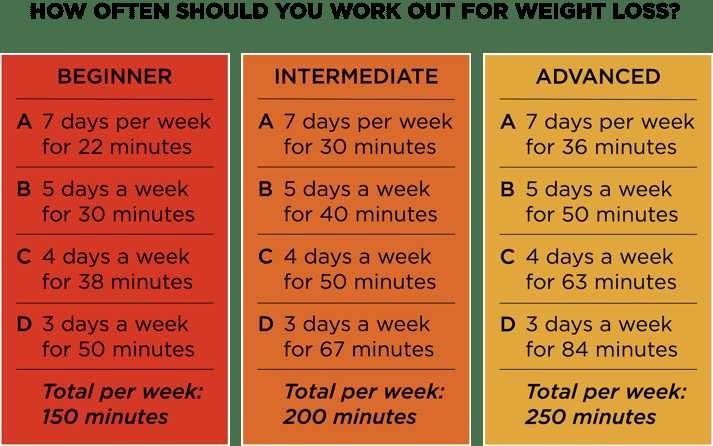
You should aim for about 3 to 5 days of cardio each week for optimal health and fitness. The ideal frequency depends on your goals, fitness level, and schedule, but consistency is key.
For most people, doing cardio 3 to 5 days a week strikes the perfect balance between boosting cardiovascular health, burning calories, and allowing your body time to recover. Whether you’re looking to lose weight, improve endurance, or stay healthy, this range can be tailored to fit your lifestyle. Incorporating variety and listening to your body helps prevent burnout and injury. So, if you’re wondering how often you should engage in cardio, aim for about 3 to 5 sessions weekly, adjusting based on your personal goals and how your body responds. Staying consistent and making it enjoyable are the most important factors to achieving lasting results.

How Many Days a Week Should You Do Cardio
Figuring out the right number of days to do cardio can be tricky. It depends on your goals, fitness level, and lifestyle. Let’s explore how often you should include cardio in your weekly routine for the best results.
Understanding the Basics of Cardio
Cardio exercises are activities that increase your heart rate and help improve your overall health. Walking, running, cycling, swimming, and dancing are popular examples. They strengthen your heart, burn calories, and boost your mood.
Most health organizations recommend at least 150 minutes of moderate-intensity cardio weekly. This can be broken down into manageable sessions. Knowing how many days to do cardio helps you stay consistent and avoid burnout.
Factors That Influence How Often You Should Do Cardio
Fitness Goals
Your goals greatly influence how often you should do cardio. If your aim is weight loss, more frequent sessions may be necessary. For improving endurance or general health, fewer sessions might suffice.
Fitness Level
Beginners should start with fewer days to avoid overexertion. Gradually increasing frequency helps your body adapt. Advanced exercisers might do cardio multiple days a week for better results.
Time Availability
Your lifestyle and schedule play roles in planning cardio days. Short sessions on busy days can still add up. Finding a routine that fits your life ensures consistency over the long term.
Recommended Frequency Based on Different Goals
For General Health and Wellbeing
Health authorities suggest doing cardio at least three to five days per week. These sessions should last around 30 minutes for moderate intensity. This routine helps maintain heart health and boosts energy levels.
For Weight Loss
To shed pounds, aim for four to six days a week. Incorporating higher-intensity workouts can accelerate calorie burn. Combining cardio with strength training enhances fat loss and muscle tone.
For Building Endurance
Endurance training often involves five to six cardio sessions weekly. These are longer and at varying intensities. This approach boosts stamina and helps improve athletic performance.
Balancing Cardio with Other Exercises
Integrating cardio with strength training creates a well-rounded fitness plan. It’s best to alternate days or combine shorter sessions. Listen to your body and include rest days for recovery.
Sample Weekly Cardio Schedule
| Day | Activity | Duration | Intensity |
|---|---|---|---|
| Monday | Brisk walking or jogging | 30 minutes | Moderate |
| Tuesday | Cycling | 45 minutes | Moderate to high |
| Wednesday | Rest or light activity | – | – |
| Thursday | Swimming or dance class | 30-40 minutes | Moderate |
| Friday | Running or interval training | 20-30 minutes | High |
| Saturday | Hiking or recreational sports | Variable | Low to moderate |
| Sunday | Rest or gentle stretching | – | – |
Listening to Your Body and Adjusting Frequency
Pay attention to how your body responds to different cardio routines. Feeling overly tired or sore suggests you need more rest or fewer days. Gradually increasing your activity helps prevent injuries and keeps you motivated.
If you experience pain or persistent fatigue, reduce your exercise days or intensity. Rest days are just as important as workout days for progress and recovery.
Incorporating HIIT and Low-Impact Cardio
High-Intensity Interval Training (HIIT)
HIIT involves short bursts of intense exercise followed by recovery periods. It can be done in around 20-30 minutes, making it suitable for busy schedules. Doing HIIT two to three times a week can boost fat loss and cardiovascular fitness.
Low-Impact Cardio
Activities like swimming, rowing, or walking are gentle on joints. They are perfect for beginners or those with joint issues. These can be performed more frequently, often five or more days a week, depending on the intensity.
Benefits of Consistent Cardio Routine
- Improves heart health and circulation
- Helps control weight and body fat
- Boosts mood and mental health
- Enhances sleep quality
- Increases stamina and energy levels
The Importance of Rest and Recovery Days
Rest days allow your muscles to repair and prevent overtraining. Incorporating at least one or two rest days per week is vital for sustainable progress. Active recovery, like gentle walking or stretching, can also keep you moving without overstressing your body.
Summary of How Many Days a Week You Should Do Cardio
For most people, doing cardio three to five days weekly provides a good balance. Adjustments depend on individual goals, fitness levels, and schedule constraints. Consistency is key to seeing benefits and staying motivated.
Remember, starting slowly and gradually increasing activity helps build habit and prevents injuries. Find activities you enjoy, and make cardio a fun part of your lifestyle.
Frequently Asked Questions
How can I determine the appropriate number of cardio sessions for my fitness goals?
To find the right number of cardio sessions, consider your current fitness level, goals, and schedule. Beginners might start with 2-3 sessions per week to build consistency, while more experienced individuals can aim for 4-5 sessions for increased endurance or weight loss. Listening to your body and gradually increasing frequency can help prevent overtraining and injury.
What are the benefits of doing cardio multiple days a week?
Engaging in cardio multiple days a week improves cardiovascular health, boosts stamina, and supports weight management. Regular sessions can also enhance mood, increase energy levels, and promote better sleep. Consistency helps your body adapt and progress toward your fitness objectives more effectively.
Is there an optimal number of cardio days to maximize fat loss without risking burnout?
Typically, performing cardio 3-5 days weekly balances fat loss with recovery needs. This frequency allows your body to burn calories and fat while giving muscles time to repair. Remember to vary your workouts and include rest days to prevent fatigue and sustain long-term motivation.
Can doing too much cardio hinder strength training progress?
Yes, excessive cardio can interfere with strength gains by causing fatigue and limiting recovery. To prevent this, schedule cardio sessions on separate days or separate times from strength workouts. Maintain a balanced routine, focusing on adequate rest and nutrition to support both cardio and strength training.
How should I adjust my cardio routine if I feel fatigued or sore?
If you experience fatigue or soreness, reduce the intensity or frequency of your cardio sessions. Incorporate more rest days and focus on low-impact activities like walking or swimming. Listening to your body helps prevent overtraining and ensures continued progress without risking injury.
Final Thoughts
You should aim for at least 3 to 5 days of cardio each week to see consistent improvements. This schedule balances activity with recovery, preventing burnout.
Listening to your body helps determine the ideal frequency. If you feel fatigued, reduce the days; if energetic, increase slightly.
In conclusion, how many days a week should you do cardio depends on your goals and fitness level. For most, 3-5 days is effective to maintain health and build endurance.
As an Amazon Associate, We earn from qualifying purchases. When you purchase a product through Amazon links on pulsefitguide.com, we may earn a small commission at no extra cost to you. This helps support the site and keep our content free.
