


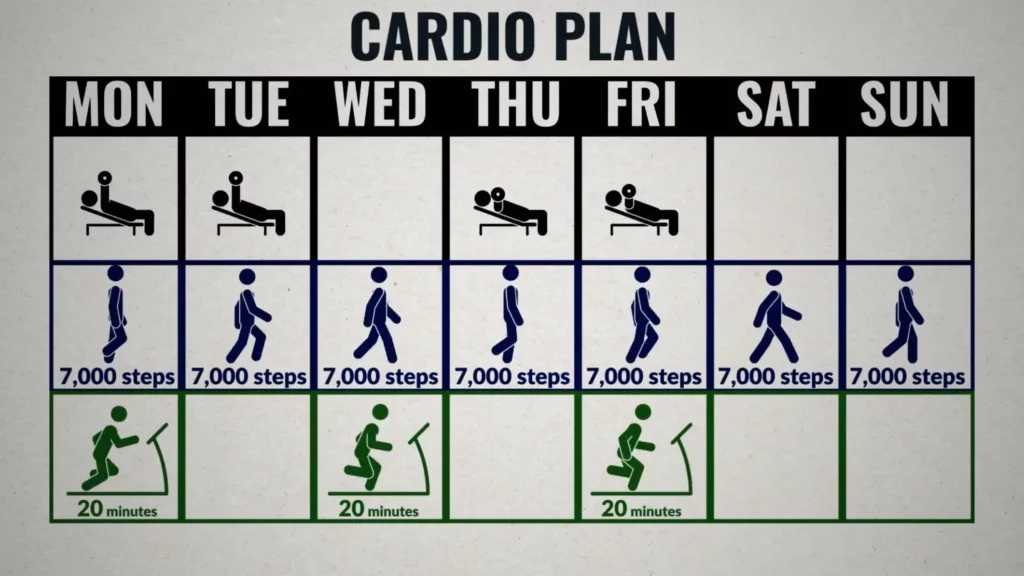
Aim for at least 30 to 60 minutes of moderate-intensity cardio most days of the week to effectively lose weight. The key is consistency and combining cardio with a balanced diet; shorter sessions won’t burn enough calories, while longer, sustained effort boosts your metabolism and fat-burning potential.
In just 30 to 60 minutes of cardio daily, you can see meaningful weight loss results, especially if you keep your intensity up. Combining regular exercise with healthy eating habits will maximize your progress and help you reach your goals faster.
Losing weight through cardio depends on how long and how intensely you exercise. Typically, engaging in 30 to 60 minutes of moderate to vigorous cardio daily is recommended for effective weight loss. This duration helps burn calories efficiently without overtraining, making it sustainable over time. The actual time needed can vary based on your current weight, workout intensity, diet, and overall activity level, but consistency in this range is generally proven to aid in shedding unwanted pounds. Remember, it’s not just about the minutes—how you exercise and how you fuel your body matter just as much.

How Many Minutes Cardio to Lose Weight
Understanding the right amount of cardio needed to lose weight can help you reach your goals effectively. Many people wonder if they should exercise for 20 minutes or 60 minutes daily. This section will explore the ideal duration of cardio workouts for weight loss and how it varies based on different factors.
Why Cardio Is Essential for Weight Loss
Cardio exercises are activities that increase your heart rate and help burn calories. They include walking, running, cycling, swimming, and dancing. Regular cardio can boost metabolism and promote fat loss when combined with a healthy diet.
Engaging in cardio can also improve cardiovascular health and increase stamina. It is often recommended as a key component of weight loss programs because it burns a significant number of calories quickly.
How Many Minutes of Cardio Are Needed for Weight Loss?
The amount of cardio needed depends on your current weight, fitness level, and weight loss goals. Generally, health authorities suggest aiming for at least 150 minutes of moderate-intensity cardio per week to maintain health. For weight loss, this amount often increases.
To shed pounds effectively, most people should aim for between 300 to 400 minutes of moderate-intensity cardio weekly. This translates to about 40 to 60 minutes most days of the week.
Moderate vs. High-Intensity Cardio
Moderate-intensity cardio includes activities like brisk walking or casual biking. High-intensity sessions include running or intense cycling. High-intensity workouts can burn more calories in a shorter time but may not be suitable for everyone.
If you’re new to exercise, starting with 20 to 30 minutes of moderate activity can help your body adapt gradually. More experienced exercisers might perform longer or more intense sessions for better results.
Estimating Calories Burned During Cardio
Calorie burn varies based on body weight, exercise type, intensity, and duration. For example, a person weighing 150 pounds burns approximately 300 calories in 30 minutes of brisk walking.
To lose one pound of fat, you need to burn about 3500 calories. That means increasing your weekly cardio to burn around 500 calories daily can help you lose about a pound a week.
| Exercise Type | Calories Burned in 30 Minutes (for 150-pound person) |
|---|---|
| Walking (brisk) | 150-180 |
| Jogging | 300-370 |
| Cycling (moderate) | 270-330 |
| Swimming | 270-360 |
How to Structure Cardio Workouts for Weight Loss
Combining different types of cardio can keep workouts interesting and improve results. You can alternate between steady-state, interval, and circuit training.
Steady-State Cardio
This involves maintaining a consistent pace for a set period, such as 45 minutes of brisk walking or jogging. It is effective for burning calories and building endurance.
Interval Training
Involves alternating between high-intensity and low-intensity exercises. For example, sprint for 30 seconds then walk for a minute. This method boosts calorie burn and accelerates fat loss.
Circuit Training
This combines multiple cardio and strength exercises performed back-to-back. It keeps the heart rate high and increases overall calorie expenditure.
The Role of Duration and Frequency in Weight Loss
The key is consistency. Exercising for 30 to 60 minutes most days provides the best chance to see weight loss results. Shorter workouts can be effective if they are intense and frequent.
For beginners, starting with 20-minute sessions and gradually increasing the duration can prevent injury and build stamina.
How to Maximize Cardio for Weight Loss
- Maintain a calorie deficit by combining diet and exercise.
- Incorporate interval training to boost calorie burn.
- Increase workout intensity gradually over time.
- Vary your routines to prevent plateaus and keep motivated.
- Include rest days to allow recovery and prevent burnout.
Tracking your workouts with a fitness app or journal helps stay on target and monitor progress.
Additional Factors to Consider
Your Body Weight and Composition
Heavier individuals tend to burn more calories during cardio, meaning shorter sessions may be effective. Lighter individuals may need longer or more intense workouts for similar results.
Diet and Nutrition
Eating a balanced diet supports your cardio efforts. Reducing processed foods and controlling portion sizes can enhance weight loss and energy levels.
Rest and Recovery
Adequate sleep and rest days are vital for muscle repair and overall health. Overtraining can lead to injury and burnout, hindering progress.
Balancing Cardio with Other Exercise Forms
Combining cardio with strength training creates a well-rounded routine. Strength exercises help build muscle, which increases resting metabolic rate and supports fat loss.
Flexibility workouts like yoga can improve mobility and reduce injury risk.
Listening to Your Body and Staying Motivated
It’s important to pay attention to signs of fatigue or discomfort. Pushing too hard can cause injury and decrease motivation.
Setting achievable goals and rewarding your progress keeps you motivated to stick with your routine.
In summary, the ideal number of minutes for cardio to lose weight varies by individual, but most people see benefits with 30 to 60 minutes most days. Combining different types of cardio, maintaining consistency, and supporting your efforts with proper nutrition and rest will help you reach your weight loss goals effectively. Remember that patience and persistence are key to long-term success in any fitness journey.
Frequently Asked Questions
How does the intensity of cardio affect the duration needed to lose weight?
The intensity of your cardio workout directly influences how long you should exercise to see weight loss results. Higher-intensity sessions, like running or high-speed cycling, burn more calories in less time, so you may need only 20 to 30 minutes per session. Conversely, lower-intensity activities, such as brisk walking, might require 45 to 60 minutes to achieve similar calorie expenditure. Adjust your workout duration based on the intensity to find a sustainable routine that helps you reach your goals.
Is it better to do cardio every day or include rest days for effective weight loss?
Incorporating rest days into your cardio routine allows your body to recover and reduces the risk of injury. For most people, performing cardio 4 to 5 times per week offers optimal results. On rest days, consider light activities like stretching or walking to stay active without overtaxing your muscles. Consistency remains key, so find a schedule that balances exercise with adequate recovery to promote steady weight loss.
Can shorter, more intense cardio sessions be as effective as longer, moderate ones?
Yes, shorter and more intense cardio workouts can be as effective as longer, moderate sessions in helping you shed pounds. High-Intensity Interval Training (HIIT), for example, involves brief bursts of intense effort followed by short recovery periods. These workouts typically last 15 to 30 minutes but burn a significant number of calories and boost your metabolism. Incorporate such sessions into your routine a few times a week to maximize fat loss in less time.
Final Thoughts
The optimal amount of cardio for weight loss varies, but generally, 150 minutes of moderate exercise weekly provides good results.
For faster weight loss, increase to 300 minutes per week, dividing it into manageable sessions.
Ultimately, consistency and intensity matter more than exact minutes.
How many minutes cardio to lose weight depends on individual goals and effort; stay committed and adjust as needed.
As an Amazon Associate, We earn from qualifying purchases. When you purchase a product through Amazon links on pulsefitguide.com, we may earn a small commission at no extra cost to you. This helps support the site and keep our content free.
