


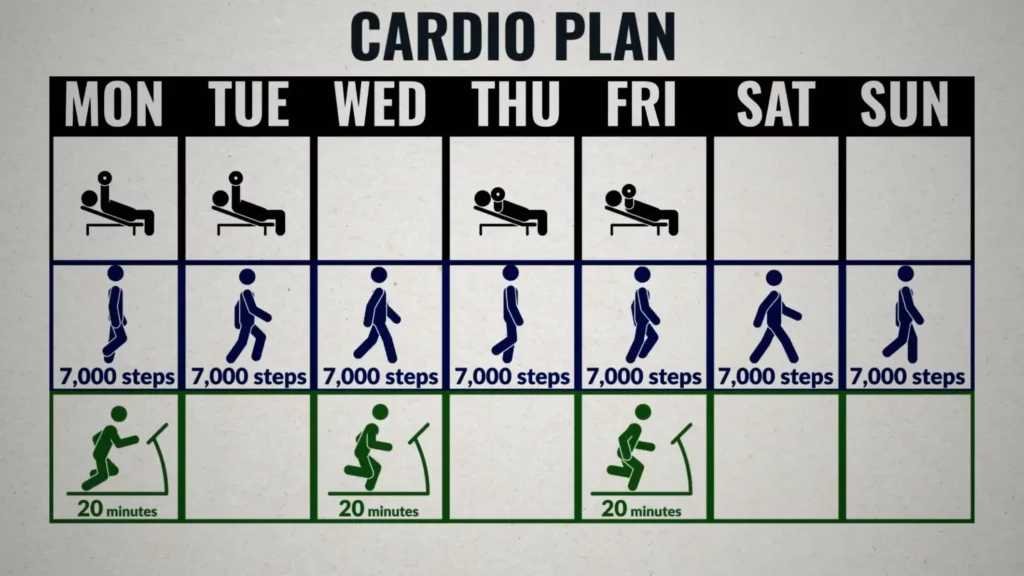
Aim for at least 150 minutes of moderate-intensity cardio or 75 minutes of vigorous activity each week for effective weight loss. Incorporating cardio into your routine can help burn calories, boost metabolism, and improve overall fitness. Consistency and combining different types of cardio can maximize results without feeling overwhelmed.
To lose weight effectively, you should aim for about 150 to 300 minutes of moderate-intensity cardio weekly, spread out across several sessions. Combining this with a balanced diet and strength training creates a sustainable plan that promotes fat loss while maintaining muscle mass. Remember, the key is consistency and finding activities you enjoy so that exercising becomes a regular part of your lifestyle.
Jumping into a cardio routine can feel daunting, especially if you’re just starting out. But understanding how much cardio is enough can make the journey less confusing and more motivating. Whether you prefer walking, cycling, running, or dancing, setting clear goals helps you stay on track. Striking the right balance between intensity and duration ensures you’re not only shedding pounds but also avoiding burnout, making your weight loss journey both achievable and enjoyable.

How Much Cardio a Week for Weight Loss
Understanding the Role of Cardio in Weight Loss
Cardio exercises help burn calories and boost metabolism. Regular cardio can help create the calorie deficit needed for weight loss. The key is finding the right amount of cardio that fits your goals and lifestyle.
How Cardio Affects Your Body
Cardio increases heart rate, improves lung capacity, and boosts overall energy expenditure. It also helps burn stored fat and carbohydrates. Consistent cardio improves endurance and supports healthy weight management.
Recommended Weekly Cardio Duration for Weight Loss
The general guideline suggests aiming for at least 150 minutes of moderate-intensity cardio weekly. This can be divided into sessions that suit your schedule and fitness level.
Moderate vs. Vigorous Intensity Cardio
- Moderate Intensity: activities like brisk walking, light cycling, or swimming. You should be able to talk but not sing during exercise.
- Vigorous Intensity: running, aerobics, or intense cycling. You will find it difficult to carry a conversation during these workouts.
How Many Days a Week Should You Do Cardio?
Most experts recommend doing cardio 4 to 6 times per week. This frequency helps maintain consistency without leading to burnout or injury.
Balancing Cardio and Strength Training
While cardio burns calories, strength training builds muscle. Muscle increases resting metabolic rate, helping burn more calories even when not exercising. Combining both is optimal for weight loss.
Impact of Duration and Intensity on Weight Loss
Longer sessions or higher intensity workouts burn more calories, but they can also increase fatigue. Start with manageable durations and gradually increase intensity and time.
How to Maximize Fat Loss with Cardio
- Incorporate interval training: alternate between high and low intensities.
- Vary your workouts to challenge different muscle groups.
- Maintain a steady pace for longer durations for endurance building.
Understanding Calorie Burn During Cardio
Calories burned depend on your weight, exercise type, and intensity. For example, a 150-pound person may burn approximately 300 calories during 30 minutes of running at a moderate pace.
Sample Calorie Burn Estimates
| Activity | Calories Burned (per 30 minutes) |
|---|---|
| Brisk walking (4 mph) | 120-165 |
| Running (6 mph) | 270-330 |
| Cycling (leisurely) | 180-220 |
| Swimming laps | 200-300 |
Why Consistency Matters More Than Intensity
Consistency in cardio workouts helps create a steady calorie deficit. Even moderate, regular sessions can lead to significant weight loss over time. Skipping workouts reduces overall calorie burn.
Possible Risks of Excessive Cardio
Overdoing cardio can cause fatigue, injuries, or burnout. It may also lead to muscle loss if not combined with proper nutrition and strength training. Find a sustainable balance suited to your body.
Incorporating Rest Days
Rest days are crucial for recovery and preventing injury. Schedule at least one or two rest days weekly, especially if you do intense cardio sessions.
Additional Tips for Effective Cardio Workouts
- Warm up before starting to prepare your muscles.
- Cool down and stretch afterward to promote flexibility.
- Stay hydrated during and after exercise.
- Wear appropriate footwear for injury prevention.
Monitoring Progress and Adjusting Your Routine
Track your workouts and weight loss progress to see what works best. Adjust frequency, duration, or intensity based on results and how your body responds.
Related Topics to Consider
- Nutrition and its role in weight loss
- How sleep impacts weight management
- Combining cardio with healthy eating habits
- Motivation tips for sticking to your routine
Finding the right amount of cardio each week depends on your individual goals, fitness level, and schedule. Most people see benefits with around 150 minutes of moderate-intensity activity weekly, split into manageable sessions. Remember, consistency and balance between cardio and strength training play vital roles in effective weight loss. Adjust your routine as needed, listen to your body, and enjoy the journey toward better health.
Frequently Asked Questions
How does the intensity of cardio affect weight loss efforts?
The intensity of your cardio workouts plays a significant role in weight loss. High-intensity exercises, such as sprinting or circuit training, burn more calories in a shorter period and can increase your metabolic rate even after finishing the workout. Moderate-intensity activities like brisk walking or cycling are effective for sustained calorie burning and are easier to maintain over longer durations. Incorporating a mix of both intensities can optimize fat loss while reducing the risk of burnout or injury.
Can doing cardio every day help me lose weight faster?
Engaging in cardio activity daily can support weight loss, but it is essential to allow your body adequate time to recover. Doing moderate-intensity cardio most days of the week, around 30 to 60 minutes per session, can lead to steady fat reduction. Be mindful of overtraining, which can cause fatigue or injury, and consider varying your workouts to include different types of cardio or lower-intensity days for recovery.
What is the recommended duration of cardio sessions for effective weight loss?
To promote weight loss, aim for at least 150 minutes of moderate-intensity cardio or 75 minutes of vigorous-intensity cardio each week, as recommended by health guidelines. Breaking this into sessions of 30 to 45 minutes, five days a week, makes it manageable and sustainable. Increasing the duration or intensity over time can accelerate your progress, but consistency remains key for lasting results.
Should I combine cardio with strength training for better weight loss results?
Yes, combining cardio with strength training enhances weight loss by burning calories and building muscle mass. Muscle tissue increases your resting metabolic rate, helping you burn more calories even when not exercising. Incorporate strength sessions two to three times weekly alongside your cardio workouts to see more comprehensive and sustainable weight loss outcomes.
How can I prevent boredom during my cardio routine to stay consistent?
Vary your workouts by trying different activities like swimming, cycling, jogging, or dance classes to keep things interesting. Changing your route or music playlist can also add excitement. Setting specific goals, tracking your progress, or exercising with a friend can boost motivation and make your routine more enjoyable, helping you stay consistent over the long term.
Final Thoughts
Pour perdre du poids efficacement, faire du cardio régulièrement est essentiel. La plupart des experts recommandent de viser au moins 150 minutes d’activité modérée par semaine. Cela peut inclure la marche rapide, le jogging ou le vélo.
Cependant, pour des résultats optimaux, certains peuvent augmenter leur intensité ou leur durée. Écoutez votre corps et ajustez votre programme en conséquence.
En résumé, comment much cardio a week for weight loss dépend de votre niveau et de vos objectifs. Restez cohérent, et vous verrez des progrès.
As an Amazon Associate, We earn from qualifying purchases. When you purchase a product through Amazon links on pulsefitguide.com, we may earn a small commission at no extra cost to you. This helps support the site and keep our content free.
