


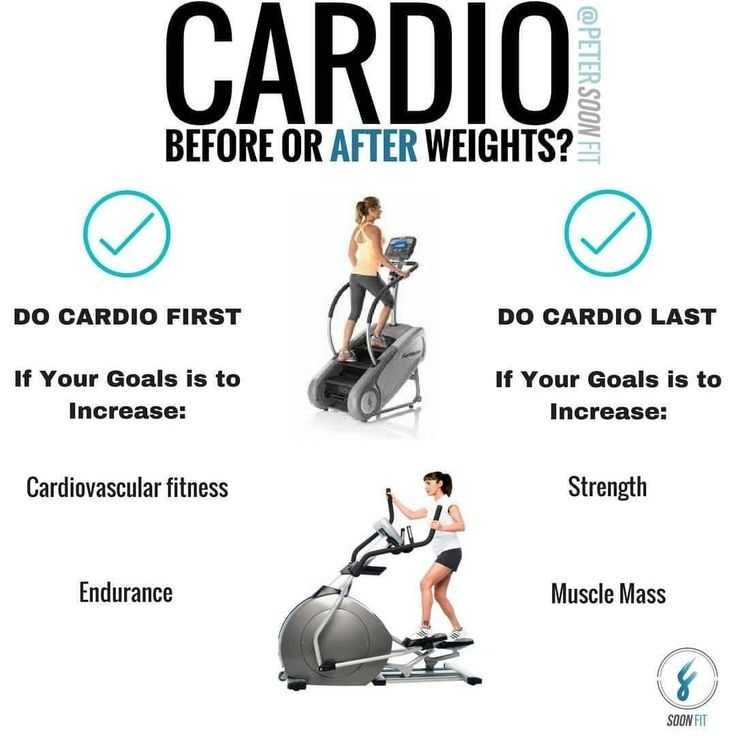
The ideal amount of cardio after weight training depends on your fitness goals, but generally, 15 to 30 minutes is effective. Doing too much cardio can hinder muscle recovery, while too little might not maximize fat burning. Striking the right balance ensures you get the benefits without overdoing it.
For most people, 15 to 30 minutes of moderate-intensity cardio after weight training is enough to boost fat loss and improve cardiovascular health. Adjust based on your specific goals, whether it’s building muscle, losing fat, or maintaining overall fitness.
Getting the timing right for cardio after lifting weights can significantly impact your results. When you finish strength training, your muscles are primed for fat burning, and adding a bit of cardio can enhance endurance and aid recovery. However, overdoing cardio right after lifting might compromise muscle growth, so it’s best to keep it moderate and tailored to your goals. In this article, we’ll explore how much cardio fits into your routine, the benefits of post-workout cardio, and tips to optimize your workout for maximum results.

How Much Cardio After Weight Training: A Complete Guide
Understanding the Role of Cardio After Weight Training
Cardio after weight training can help burn extra calories and improve cardiovascular health. It also aids in cooling down and reducing muscle soreness. However, the amount of cardio you should do depends on your fitness goals.
Why Do People Do Cardio After Weight Training?
Many choose to add cardio after lifting because it helps boost fat burning and endurance. It can also prevent injury by gradually lowering your heart rate. Additionally, some believe it enhances overall workout effectiveness.
How Much Cardio Is Recommended After Weight Training?
The ideal duration varies based on individual goals and fitness levels. For general health, 10 to 20 minutes of moderate-intensity cardio is enough. Athletes aiming for fat loss might opt for 20 to 30 minutes or more.
Factors Influencing the Duration of Cardio
Several factors impact how much cardio you should do after weight training. These include your fitness level, target goals, time availability, and nutrition. Listening to your body is key to preventing overtraining.
Cardio Duration for Different Fitness Goals
Weight Loss
If losing weight is your goal, aim for 20 to 30 minutes of moderate to high-intensity cardio after lifting. This helps maximize calorie burn and fat loss.
Muscle Building
For muscle growth, keep cardio sessions shorter, about 10 to 15 minutes at a moderate pace. Excessive cardio can interfere with muscle recovery and growth.
Improving Cardiovascular Health
Focus on steady-state cardio lasting 15 to 25 minutes. The goal is to strengthen your heart without exhausting your muscles or compromising your lifting routine.
Types of Cardio Suitable After Weight Training
Different cardio exercises offer various benefits and impacts. Selecting the right type aligns with your goals and preferences.
Low-Impact Cardio
Activities like walking, cycling, or using an elliptical are gentle on joints and suitable for recovery. They are ideal for beginners or those with joint issues.
High-Intensity Interval Training (HIIT)
This involves short bursts of intense activity followed by rest periods. It burns calories quickly and boosts endurance but should be done with caution after heavy lifting.
Steady-State Cardio
Maintaining a consistent pace for 15-30 minutes helps burn fat without overly taxing your body. It’s good for building endurance and improving overall health.
Timing and Scheduling of Cardio After Weight Training
Timing influences how your body responds to cardio sessions. Doing cardio immediately after lifting is common, but some prefer scheduling on separate days.
Performing Cardio Immediately After Lifting
Doing cardio right after strength training helps capitalize on the post-exercise calorie burn. Keep it moderate to avoid fatigue that could impair recovery.
Scheduling Cardio on Rest Days
Some prefer doing cardio on rest days to prevent fatigue. This approach allows for more focus on either lifting or cardio and aids in recovery.
Balancing Cardio and Strength Training
Striking a balance ensures you meet your health goals without sacrificing muscle gains or endurance. Incorporate both in your weekly workout plan.
Weekly Workout Planning
A balanced plan might include lifting three times a week and cardio two to three times. Adjust durations based on your progress and energy levels.
Significance of Rest and Recovery
Rest days prevent overtraining and promote muscle repair. Adequate sleep and nutrition complement your workout routine, making your cardio efforts more effective.
Tips for Safe and Effective Cardio After Weight Training
Prioritize safety to prevent injury and maximize benefits.
Start Slow and Gradually Increase Intensity
Especially if you’re new to cardio, begin with low to moderate intensity and progress over time.
Stay Hydrated and Fuel Properly
Drink water and eat a balanced meal beforehand to sustain energy levels during cardio sessions.
Listen to Your Body
Stop if you experience pain or extreme fatigue. Adjust your routine based on how you feel.
Common Mistakes to Avoid When Doing Cardio After Weight Training
Avoid these pitfalls to make your workouts more productive.
Overdoing It
Excessive cardio can lead to overtraining, muscle loss, or injury. Stick to recommended durations and intensities.
Ignoring Proper Nutrition and Hydration
Skipping meals or hydration slows recovery and reduces your performance.
Skipping Warm-Ups and Cool-Downs
Always warm up before cardio and cool down afterward. This reduces injury risk and aids recovery.
Advanced Tips for Maximizing Cardio Benefits
Enhance your routine with these expert strategies.
Interval Training
Mix short bursts of high-intensity effort with rest or low-intensity periods to burn more calories in less time.
Monitoring Heart Rate
Use a heart rate monitor to keep your cardio within target zones, ensuring optimal fat burn and cardiovascular gains.
Varying Your Cardio Workouts
Changing exercises prevents boredom and challenges different muscle groups, boosting overall fitness.
Summary of How Much Cardio to Do After Weight Training
The amount of cardio after lifting should align with your goals. For fat loss, aim for 20 to 30 minutes; for health, about 10 to 20 minutes suffices. Keep intensity moderate to prevent fatigue. Incorporate different cardio styles like steady-state or HIIT based on your preferences. Always listen to your body and prioritize recovery to stay consistent and avoid injury.
By understanding these guidelines and tailoring your routine accordingly, you can optimize your workouts. Whether your focus is weight loss, muscle gain, or cardiovascular health, the right amount of cardio after weight training supports your progress. Remember, consistency and listening to your body are key to long-term success.
Frequently Asked Questions
Is there an optimal amount of cardio to do after weight training?
There is no one-size-fits-all answer, but generally, 15 to 30 minutes of moderate-intensity cardio after weight training can complement your workout effectively. This duration helps improve endurance and supports fat burning without overtaxing your muscles. Adjust the time based on your fitness goals, energy levels, and overall program.
Should I do cardio immediately after lifting weights, or is some rest recommended?
Performing cardio right after weight training is common, but some individuals prefer to rest for 10-15 minutes first to allow muscles to recover slightly. Doing cardio immediately can help maximize fat loss, while waiting a bit might be better if you want to preserve strength for subsequent workouts. Listen to your body and consider your recovery needs.
Does the type of cardio matter when done after weight training?
Yes, the type of cardio you choose can influence your recovery and results. Low-impact activities like walking or gentle cycling reduce stress on your muscles and joints, making them suitable post-weight training. High-impact activities, such as running, can be more taxing and may lead to fatigue if performed immediately after lifting, so choose based on your fitness level and goals.
How can I balance cardio and weight training to prevent overtraining?
Balancing cardio and weight training involves planning your workouts to allow adequate rest and recovery. Limit cardio sessions to 2-3 times per week if you do intense weight training, and ensure each session is not overly long or intense. Incorporate rest days and listen to your body’s signals to avoid burnout and reduce injury risk.
What are the potential effects of doing too much cardio after weight training?
Excessive cardio after weight training can lead to muscle fatigue, decreased strength, and slowed recovery. It might also interfere with muscle growth if performed excessively. To prevent these issues, keep cardio sessions moderate in duration and intensity, and prioritize proper nutrition and rest to support your training efforts.
Final Thoughts
The optimal amount of cardio after weight training depends on your fitness goals. If you aim to burn fat, 15-20 minutes of moderate-intensity cardio suffices. For endurance building, consider 30 minutes or more.
Balancing cardio with weight training prevents overtraining and helps maintain muscle mass. Listen to your body and adjust the duration as needed.
In conclusion, how much cardio after weight training varies but keeping it brief and purposeful benefits your overall fitness. Focus on your goals and find a routine that fits your schedule.
As an Amazon Associate, We earn from qualifying purchases. When you purchase a product through Amazon links on pulsefitguide.com, we may earn a small commission at no extra cost to you. This helps support the site and keep our content free.
