


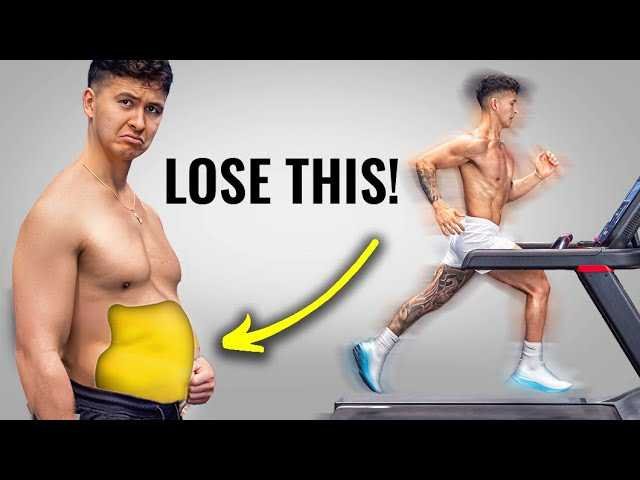
To maximize fat loss, doing about 20-30 minutes of moderate-intensity cardio after your weight training is generally effective. This balances burning calories without overtraining, helping you shed fat efficiently. Remember, the key is consistency and listening to your body for optimal results.
When it comes to combining cardio with weights for fat loss, timing and duration matter. Doing cardio immediately after lifting can boost fat burning by extending your workout and increasing calorie expenditure. However, the exact amount varies based on individual goals, fitness level, and recovery capacity. In this article, we’ll explore how much cardio is ideal after weights to help you melt fat without overtraining, ensuring you make the most of your workout sessions and see results faster.

How Much Cardio After Weights for Fat Loss
Many people wonder about the best way to combine cardio and weight training to lose fat effectively. The right amount of cardio after lifting can help burn calories and improve overall body composition. But, how much cardio is enough without interfering with muscle gains?
Understanding the Role of Cardio in Fat Loss
Cardio exercises increase your heart rate and burn calories, which helps create a calorie deficit essential for fat loss. When combined with weight training, cardio can accelerate fat burning while maintaining muscle mass.
However, doing too much cardio can lead to muscle loss or fatigue, especially if not balanced properly. Striking the right balance is key to optimizing fat loss without sacrificing strength.
The Benefits of Doing Cardio After Weight Lifting
Performing cardio after weights can maximize fat burning since your muscles are already warmed up and glycogen stores are partially depleted. This can increase the likelihood of burning fat instead of muscle glycogen for energy.
Moreover, post-workout cardio may help improve cardiovascular health and boost overall calorie expenditure for the day. It also allows you to focus on strength training first, ensuring you put maximum effort into your lifting routine.
How Much Cardio Is Recommended After Weights?
General Guidelines for Fat Loss
Most fitness experts recommend doing around 20 to 30 minutes of moderate-intensity cardio after weight training. This duration strikes a balance between effective calorie burn and preventing excessive fatigue.
For those aiming for faster fat loss, increasing cardio sessions to 30 to 45 minutes can be beneficial, but only if recovery is adequate and muscle strength is maintained.
Frequency of Cardio Sessions
- Two to four sessions per week after weight training is common for fat loss goals.
- Ensure at least one or two rest days to allow muscles to recover and prevent overtraining.
- Adjust based on progress, energy levels, and overall workout volume.
Types of Cardio and Their Impact on Fat Loss
Steady-State Cardio
This involves maintaining a consistent, moderate pace, such as brisk walking, jogging, or cycling. It is effective for burning calories during and after exercise with minimal muscle depletion.
High-Intensity Interval Training (HIIT)
Alternates intense bursts of activity with short rest periods. HIIT can burn a lot of calories in less time and increase post-exercise metabolic rate, which helps with fat loss.
Be cautious with HIIT after weight training if your muscles are fatigued, as it may increase injury risk or hinder recovery.
Timing and Frequency of Cardio for Optimal Fat Loss
Post-Workout Cardio vs. Separate Sessions
Doing cardio immediately after weights is convenient and effective for burning fat, especially when glycogen levels are low.
Alternatively, some prefer doing cardio on separate days or times, such as in the morning or on rest days, to avoid fatigue and maximize workout quality.
Scheduling Tips
- If doing cardio after weights, limit to 20-30 minutes for balance.
- If scheduling cardio separately, consider 3-4 sessions of 30-45 minutes each week.
- Always listen to your body and adjust based on recovery and energy levels.
How Excessive Cardio Can Interfere with Muscle Gains
Too much cardio can lead to muscle breakdown, especially when combined with inadequate nutrition or recovery. It may hinder strength progress and muscle growth.
To avoid this, combine cardio with proper protein intake and rest days. Focus on moderate sessions that support fat loss without overtaxing your muscles.
Balancing Cardio and Weight Training for Best Results
A well-structured plan involves prioritizing weight training to build muscle, which boosts metabolism, alongside moderate cardio sessions. This synergy helps burn fat efficiently while preserving or increasing muscle mass.
Sequence your workouts strategically—do weight training first, followed by cardio, to maximize fat burning potential.
Other Important Factors to Consider
Nutrition and Hydration
Eating a balanced diet rich in lean proteins, healthy fats, and complex carbs supports fat loss and muscle maintenance. Stay hydrated to aid recovery and performance.
Rest and Recovery
Allow sufficient rest between workouts to prevent overtraining. Rest promotes muscle repair and keeps your metabolism functioning optimally.
Monitoring Progress
Track your workouts, diet, and body composition changes. Adjust cardio duration and intensity based on what works best for your goals and body response.
Summary of Recommended Cardio After Weights for Fat Loss
| Type of Cardio | Duration | Frequency | Intensity |
|---|---|---|---|
| Moderate steady-state | 20-30 minutes | 2-4 times per week | Moderate (50-70% max heart rate) |
| High-Intensity Interval Training | 15-20 minutes | 1-3 times per week | High (80-95% max heart rate during bursts) |
Implementing a combination of these approaches, tailored to your fitness level and goals, can enhance fat loss while maintaining muscle. Consistency, proper nutrition, and adequate rest form the foundation of successful fat reduction through cardio and weights.
Frequently Asked Questions
What factors influence the optimal duration of cardio after weight training for fat loss?
The ideal amount of cardio after weight training depends on several factors, including your fitness level, overall workout goals, diet, and how your body responds to exercise. For some individuals, shorter sessions may be enough to boost fat burning, while others might benefit from longer sessions. It’s important to listen to your body and adjust accordingly to avoid overtraining or injury.
How does the intensity of post-weight training cardio impact fat loss outcomes?
The intensity of your cardio session affects how many calories you burn and how your body uses fat for energy. Higher-intensity cardio burns more calories in a shorter period but can be more exhausting and challenging to sustain. Moderate-intensity cardio may be more sustainable over longer periods and still promote fat loss when combined with proper nutrition. The key is to find a balance that aligns with your fitness level and goals.
Is there an ideal time to perform cardio after lifting weights to maximize fat loss?
Performing cardio immediately after weight training can be effective because your glycogen stores are depleted, and your body may turn to fat for energy. However, some people prefer to do cardio later in the day or on different days to allow more recovery. The best approach is to incorporate cardio when it fits into your schedule and allows you to maintain consistency without compromising recovery.
Can doing too much cardio after lifting hinder muscle gains?
Yes, excessive cardio following weight training can interfere with muscle recovery and growth. If you do high-intensity or long sessions of cardio daily, you risk overtraining and breaking down muscle tissue. To support muscle gains while losing fat, keep cardio sessions moderate and ensure you consume enough protein and calories to aid recovery.
How often should I incorporate cardio after weight training for effective fat loss?
Including cardio after weight workouts two to three times a week usually provides good results. This frequency allows you to maintain a calorie deficit while giving your body enough time to recover and build muscle. Adjust the duration and intensity based on how your body responds to avoid burnout and ensure continuous progress.
Final Thoughts
Pour maximiser la perte de graisse, il est important d’équilibrer cardio et musculation. Faire du cardio après les poids peut augmenter la dépense calorique, mais la durée joue un rôle clé. Généralement, 20 à 30 minutes de cardio après l’entraînement en musculation suffisent.
Il est conseillé d’adapter l’intensité en fonction de votre niveau et de vos objectifs. Trop de cardio peut nuire à la récupération musculaire.
En résumé, how much cardio after weights for fat loss dépend de chaque individu, mais une session de 20 à 30 minutes est souvent efficace pour soutenir la perte de graisse.
As an Amazon Associate, We earn from qualifying purchases. When you purchase a product through Amazon links on pulsefitguide.com, we may earn a small commission at no extra cost to you. This helps support the site and keep our content free.
