


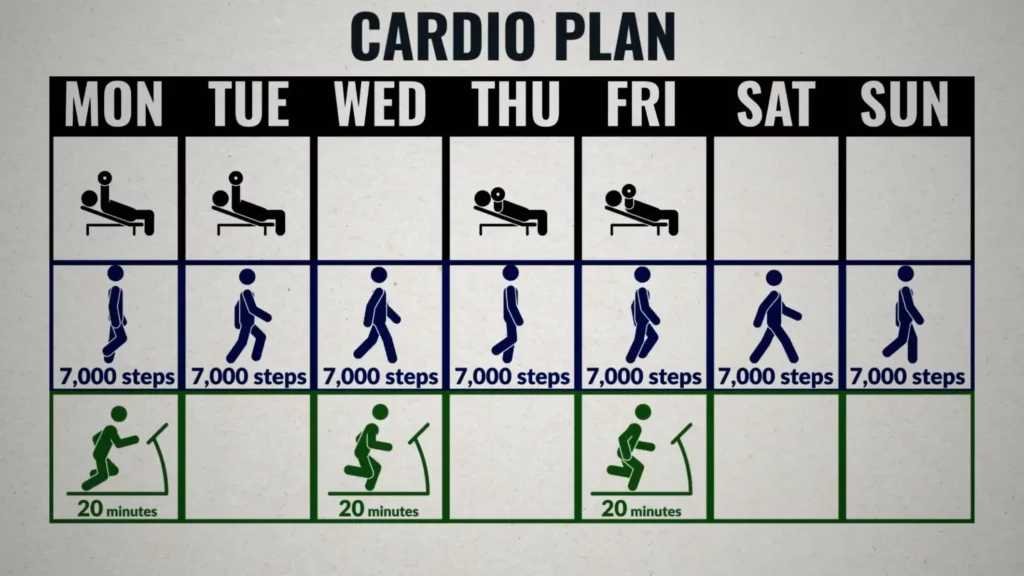
You should aim for at least 150 minutes of moderate-intensity cardio or 75 minutes of vigorous activity each week, spread out across several days for optimal health benefits. The exact amount depends on your fitness goals, current health, and lifestyle, but consistency is key to seeing results.
Most people benefit from doing around 3 to 5 sessions of cardio weekly, with each session lasting about 30 minutes. If you’re looking to lose weight, increase stamina, or improve cardiovascular health, gradually increasing your activity level while listening to your body is essential for sustainable progress.
Jumping into a workout routine can be overwhelming, especially when you’re unsure how much cardio is enough. How much cardio you need really hinges on your personal goals—whether it’s losing weight, boosting endurance, or just staying healthy. The good news is that you don’t have to overdo it; what’s important is finding a balance that fits seamlessly into your lifestyle. Regular cardio, even in small doses, can boost your energy, improve mood, and contribute to overall wellness, so start with what feels right and build from there.

How Much Cardio Do I Need?
Understanding the Basics of Cardio
Cardio, short for cardiovascular exercise, is any activity that raises your heart rate and helps improve your heart and lung health. It includes activities like walking, running, cycling, swimming, and dancing. Knowing how much cardio you need helps you stay healthy and meet your fitness goals effectively.
Why Is Cardio Essential?
Regular cardio activity boosts your stamina and energy levels. It also helps control weight, reduces the risk of chronic diseases, and improves mood. For overall health, adults should aim to include cardio in their weekly routine.
How Much Cardio Should You Do Weekly?
The World Health Organization recommends at least 150 minutes of moderate-intensity or 75 minutes of vigorous-intensity aerobic activity each week. Breaking it down, this often looks like:
- 30 minutes of moderate activity, five days a week
- Or 25 minutes of vigorous activity, three days a week
This amount helps maintain health and supports weight loss when combined with a balanced diet.
Moderate vs. Vigorous Cardio: What’s the Difference?
Moderate cardio makes you breathe harder than normal but still allows you to carry on a conversation. Vigorous cardio makes breathing much heavier and conversation difficult. Examples include:
- Moderate: brisk walking, leisurely cycling, dancing
- Vigorous: running, fast cycling, swimming laps, aerobic classes
Choosing between them depends on your fitness level and goals.
How to Tailor Cardio to Your Goals
Your personal goals influence how much cardio you should do. For example:
For Weight Loss
Engage in about 300 minutes of moderate activity weekly. Longer or more intense sessions help burn more calories.
For Heart Health
Follow the general recommendation of 150 minutes per week, but include some higher intensity sessions for added benefits.
For Endurance and Athletic Performance
You might need to do more than 300 minutes weekly, incorporating different intensities and types of exercise.
Balancing Cardio with Other Exercises
Combining cardio with strength training offers well-rounded fitness. Aim to include strength exercises at least twice a week. This balance helps you build muscle, improve bone density, and prevent injury.
How to Incorporate Cardio Into Your Daily Routine
You don’t need to spend hours at the gym. Small, consistent activities count. You can:
- Take brisk walks in your neighborhood
- Bike to work or the store
- Use stairs instead of elevators
- Dance to your favorite music at home
These small steps add up to your weekly goals.
Listening to Your Body
Pay attention to how you feel during and after cardio sessions. If you experience pain, dizziness, or extreme fatigue, adjust the intensity or duration. Rest days are crucial for recovery and avoiding burnout.
Ideal Duration for Different Fitness Levels
Beginners might start with 10 to 15-minute sessions and gradually increase. Advanced exercisers can aim for 45 to 60-minute sessions, depending on their goals.
Tracking Your Progress
Use fitness trackers, apps, or journals to monitor your activity. Tracking helps you stay motivated and adjust your routines as needed. Set weekly or monthly goals to keep your effort consistent.
Common Mistakes to Avoid
Avoid overdoing cardio, which can lead to injury or burnout. Also, don’t neglect variety — mixing different activities prevents boredom and works different muscle groups. Remember to warm up before and cool down after your workouts.
Special Considerations
People with health conditions, such as heart disease or arthritis, should consult their doctor before starting a new cardio routine. Modifications might be needed to suit individual needs.
Knowing how much cardio you need depends on your age, fitness level, and goals. While the general recommendation is 150 minutes of moderate activity weekly, personal factors can influence your ideal routine. Make sure to enjoy your workouts, stay consistent, and balance cardio with other forms of exercise for the best results.
Frequently Asked Questions
How can I determine the appropriate amount of cardio for my fitness level?
To find the right cardio routine, assess your current fitness level, goals, and schedule. Beginners might start with 20-30 minutes of moderate-intensity cardio three times a week. For those aiming to improve endurance or lose weight, gradually increase duration and intensity. Listen to your body and adjust the frequency and intensity to avoid overtraining and injury. Consulting with a fitness professional can also help tailor a plan suited to your needs.
Is it better to do shorter, high-intensity sessions or longer, moderate workouts?
Both approaches can be effective depending on your goals. Short, high-intensity sessions, like HIIT, boost cardiovascular fitness quickly and burn calories in less time. Longer, moderate workouts improve stamina and promote fat burning over extended periods. If you’re pressed for time, incorporating HIIT a few times weekly offers benefits. Otherwise, steady-state cardio can be more sustainable for building endurance and establishing a routine.
How does my fitness goal influence how much cardio I should do?
Your specific goals play a significant role in determining cardio needs. If you want to lose weight, aim for at least 150 minutes of moderate cardio weekly, or 75 minutes of vigorous activity. For improving general health, including cardio sessions a few times per week suffices. Athletes or those training for a specific event might require more frequent or intense cardio sessions. Clarify your goals to customize your workout plan effectively.
Can doing too much cardio hinder muscle building?
Yes, excessive cardio can interfere with muscle gain, especially if it leads to a caloric deficit or fatigue that hampers strength training. To balance both, schedule cardio sessions strategically and ensure proper nutrition and rest. Incorporate strength training alongside cardio and avoid overdoing cardio frequency or intensity if building muscle is your primary goal.
How should I adjust my cardio routine as I progress in my fitness journey?
As you improve, increase either the duration or intensity of your cardio workouts to continue progressing. Incorporate variety, such as mixing steady-state and interval training, to challenge your body in different ways. Monitor your performance and recovery, and modify your routine to prevent plateaus. Regularly evaluating your goals and adapting your plan ensures continuous improvement and reduces the risk of burnout.
Final Thoughts
Pour conclure, how much cardio do I need depends on your goals and lifestyle. If you aim for overall health, 150 minutes of moderate activity weekly suffices. For weight loss, consider increasing intensity or duration. Listen to your body and stay consistent. Finding the right balance can boost your energy and improve well-being without overexertion.
As an Amazon Associate, We earn from qualifying purchases. When you purchase a product through Amazon links on pulsefitguide.com, we may earn a small commission at no extra cost to you. This helps support the site and keep our content free.
