


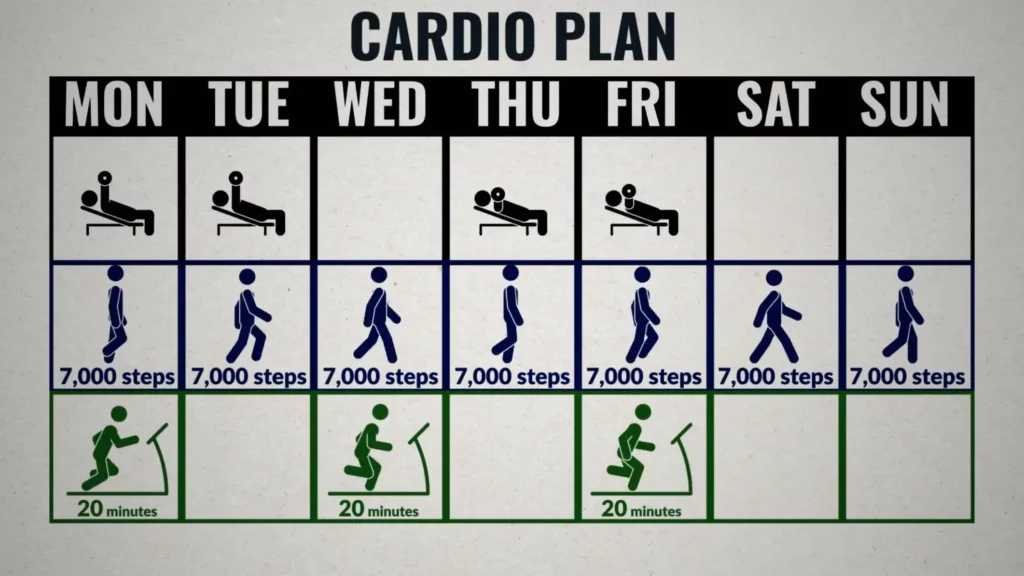
Aim for about 150 minutes of moderate-intensity cardio or 75 minutes of vigorous activity weekly, spread throughout the week for optimal health benefits. It’s flexible—you can do shorter sessions daily or longer workouts a few times a week—just stay consistent. The right amount depends on your goals, fitness level, and schedule, but even small amounts of cardio can significantly improve your heart health, mood, and energy levels.
Getting enough cardio doesn’t mean you have to spend hours at the gym every day; it’s about finding a routine that fits into your life and motivates you to stay active. Many people wonder how much is too much or too little, but striking a balance is key. Whether you’re aiming to lose weight, boost endurance, or just stay healthy, discovering the right amount of cardio for your body is a smart step toward a healthier lifestyle.

How Much Cardio Per Day: Finding the Right Fit for Your Fitness Goals
Knowing how much cardio to do each day can seem confusing, especially with many opinions and guidelines available. The right amount varies from person to person based on goals, fitness level, and lifestyle. In this section, we will explore the essentials of daily cardio and help you find what works best for you.
Understanding Cardio and Its Benefits
Cardio exercises, also known as aerobic activities, get your heart pumping and help improve your cardiovascular health. These exercises include walking, running, cycling, swimming, and dancing. Regular cardio can boost stamina, help manage weight, and increase energy levels.
Performing the right amount of cardio can also reduce risks of health issues such as high blood pressure and diabetes. It improves mood through the release of endorphins and enhances overall well-being. Knowing how much cardio to incorporate daily is key to reaping these benefits.
Recommendations from Health Authorities
The World Health Organization suggests adults should aim for at least 150 minutes of moderate-intensity cardio per week. This breaks down to roughly 30 minutes five days a week. Alternatively, 75 minutes of vigorous-intensity activity spread across the week also counts.
For additional health benefits, the WHO recommends doubling these guidelines to 300 minutes of moderate cardio weekly. This means around 45 minutes to an hour on most days. These recommendations are flexible but serve as a solid foundation for most people.
How Much Cardio Per Day for Different Fitness Goals
Weight Loss and Fat Burning
If your goal is weight loss, more cardio can help burn extra calories. Typically, 30 to 60 minutes of moderate to vigorous activity daily can support weight management. Combining cardio with strength training improves results.
Starting with 20-30 minutes daily and gradually increasing duration helps your body adapt comfortably. Consistency is more important than intensity at the beginning. Focus on enjoying your activities to stay motivated.
Building Endurance and Stamina
For endurance, longer sessions of moderate cardio are beneficial. Aim for 45 to 60 minutes most days, increasing intensity gradually. Long, steady-state workouts build aerobic capacity without overtaxing your body.
Integrating interval training—alternating between high and low intensity—can also boost stamina efficiently. This approach is often used by athletes training for competitions or challenging sports.
Maintaining General Fitness and Heart Health
Most healthy adults should aim for at least 150 minutes of moderate cardio weekly. Breaking this into 30-minute sessions five times a week keeps your heart and lungs healthy. Even shorter sessions of 10 to 15 minutes can add up throughout the day.
It is important to listen to your body, especially if you have health concerns or are new to exercise. Starting with manageable durations and gradually increasing can prevent injury and exhaustion.
Factors Affecting the Ideal Duration of Cardio
Age and Fitness Level
Younger individuals and those with higher fitness levels can often handle longer and more intense cardio sessions. Older adults or beginners should start slow and build up gradually to avoid strain. Adapt your routine as your fitness improves.
Type of Exercise and Intensity
The intensity of your workout influences how much time you should spend on cardio. Vigorous activities like sprinting or high-intensity interval training (HIIT) require shorter durations, typically 20 to 30 minutes. Moderate activities can last longer without fatigue.
Health Conditions and Limitations
If you have health issues such as joint problems or cardiovascular concerns, consult with your healthcare provider. They may recommend lower intensity or shorter durations initially. Always prioritize safety and comfort over pushing too hard.
How to Structure Your Daily Cardio Routine
Balancing Cardio with Other Exercises
Integrate cardio with strength training or flexibility exercises for a balanced fitness routine. For example, alternate days of cardio with resistance training or include short stretching sessions. This approach prevents overtraining.
Breaking Up Cardio Sessions
If 30-minute sessions seem daunting, split them into smaller chunks. Two 15-minute walks or three 10-minute intervals throughout the day can be equally effective. Short bouts can fit into busy schedules with ease.
Incorporating Fun and Variety
Choose activities you enjoy to stay consistent. Try dancing, swimming, hiking, or group fitness classes. Mixing activities prevents boredom and keeps motivation high. The key is to stay active regularly.
Monitoring Progress and Adjusting Duration
Listening to Your Body
Pay attention to how you feel during and after exercise. Mild fatigue is normal, but pain or excessive tiredness indicates you may need to reduce intensity or duration. Rest days are also essential for recovery.
Tracking Your Workouts
Use a journal, app, or fitness tracker to record your daily cardio. Monitoring progress helps identify what duration and intensity work best for you. It also keeps you motivated as you see improvements.
Adjusting Based on Results
Periodically review your goals and progress. If weight loss stalls, consider increasing duration or intensity. If fatigue sets in, reduce the length and focus on quality over quantity. Flexibility ensures your routine remains effective and safe.
Additional Tips for Effective Cardio Routine
- Warm up for 5 minutes before starting to prepare your muscles and prevent injury.
- Cool down with gentle stretches after your workout to improve flexibility and reduce soreness.
- Stay hydrated and wear appropriate footwear for comfort and safety.
- Mix different cardio activities to target various muscle groups and avoid plateaus.
Sample Weekly Cardio Schedule
| Day | Activity | Duration | Intensity |
|---|---|---|---|
| Monday | Brisk Walking | 30 minutes | Moderate |
| Tuesday | Swimming | 45 minutes | Moderate to Vigorous |
| Wednesday | Rest or Light Stretching | – | Low |
| Thursday | Jogging or Running | 30 minutes | Vigorous |
| Friday | Bike Riding | 40 minutes | Moderate |
| Saturday | Dance Class or Zumba | 60 minutes | Vigorous |
| Sunday | Leisure Walk or Active Rest | 20-30 minutes | Low to Moderate |
Finding the right amount of cardio per day depends on personal goals, fitness level, and daily schedule. Starting with manageable durations and gradually increasing helps your body adapt safely. Remember, consistency and enjoyment are vital to making cardio a sustainable part of your life. Adjust your routine based on progress, feedback from your body, and changing goals to stay motivated and achieve optimal health benefits.
Frequently Asked Questions
What are the benefits of doing daily cardio workouts?
Engaging in cardio daily improves cardiovascular health, boosts stamina, and helps control weight. It also enhances mood, increases energy levels, and can lower the risk of chronic diseases such as diabetes and hypertension. Regular cardio can contribute to overall well-being and mental clarity.
How can I adapt my cardio routine to fit a busy schedule?
To fit cardio into a busy schedule, consider shorter sessions like 10-15 minute high-intensity workouts, or incorporate cardio into daily activities such as walking or cycling to work. Planning workouts in advance and choosing activities you enjoy can make it easier to stay consistent despite a tight timetable.
Are there any risks associated with doing too much cardio each day?
Excessive cardio can lead to overtraining, fatigue, and increased injury risk. It may also cause muscle loss if not balanced with strength training and proper nutrition. Listen to your body, ensure adequate rest, and vary your workouts to prevent burnout and overuse injuries.
What is the recommended amount of cardio for general health?
The general guideline suggests at least 150 minutes of moderate-intensity or 75 minutes of vigorous-intensity cardio activity per week. Breaking this down into sessions spread throughout the week helps maintain overall health and supports weight management.
Should I combine cardio with other forms of exercise for better results?
Combining cardio with strength training and flexibility exercises creates a well-rounded fitness routine. This approach improves muscle tone, bone density, and balance, while also enhancing cardiovascular health. Integrating various workouts offers comprehensive benefits and keeps your routine engaging.
Final Thoughts
The recommended amount of cardio per day depends on your fitness goals. For general health, aim for at least 150 minutes of moderate-intensity exercise weekly. If you’re aiming for weight loss, up to 300 minutes might be more effective.
Listen to your body and adjust your routine accordingly. Consistency is key to seeing results and avoiding burnout.
In conclusion, how much cardio per day varies, but staying active regularly benefits your health and fitness.
As an Amazon Associate, We earn from qualifying purchases. When you purchase a product through Amazon links on pulsefitguide.com, we may earn a small commission at no extra cost to you. This helps support the site and keep our content free.
