


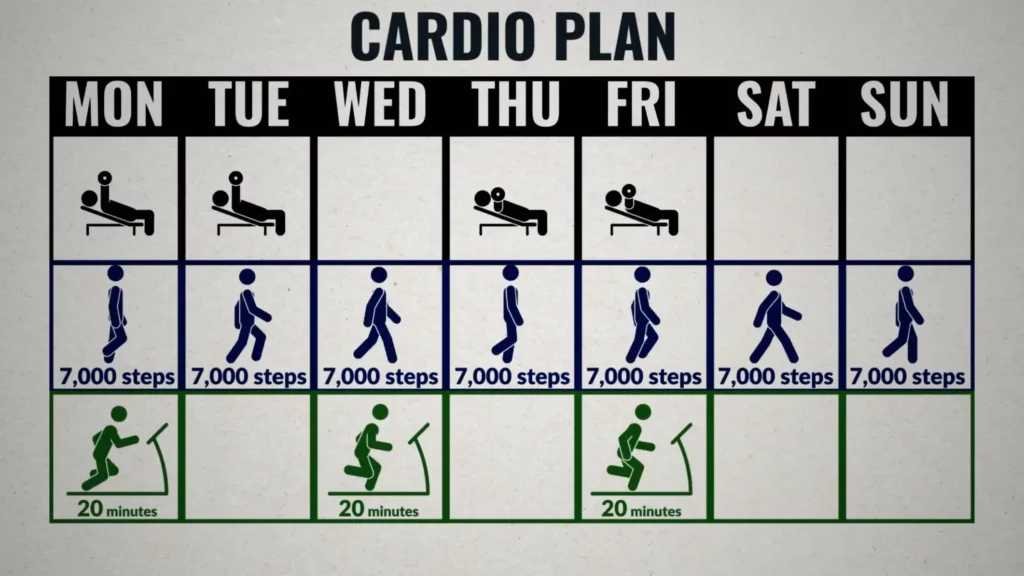
For effective weight loss, aim for about 150 minutes of moderate-intensity cardio or 75 minutes of vigorous activity weekly, which breaks down to roughly 20–30 minutes daily. This amount helps burn calories efficiently while fitting into a busy schedule. Remember, consistency and combining cardio with a balanced diet are key to seeing results.
If you’re wondering how much cardio you need each day to shed those extra pounds, the answer depends on your goals and current fitness level. Generally, 20 to 30 minutes of moderate cardio daily, such as brisk walking, cycling, or swimming, can do wonders. This daily routine not only helps create a calorie deficit but also improves your overall health and stamina. Whether you’re aiming to lose weight gradually or boost your fitness, finding the right amount of cardio that fits into your lifestyle is crucial. Keep in mind, consistency matters more than intensity, so pick activities you enjoy to stay motivated.

How Much Cardio Per Day to Lose Weight
Understanding how much cardio to do each day is key to shedding unwanted pounds. Not all workouts are equally effective, and the right amount can vary depending on your goals. Let’s explore the best ways to incorporate cardio into your daily routine for weight loss.
What Is Cardio and Why Is It Important for Weight Loss?
Cardio, short for cardiovascular exercise, raises your heart rate and keeps it elevated for a period of time. It includes activities like walking, running, cycling, swimming, and dancing. Cardio helps burn calories, which is essential for losing weight.
Engaging in regular cardio improves your overall health. It boosts your metabolism, enhances your mood, and increases endurance. The more consistent you are, the better your chances of reaching your weight loss goals.
How Much Cardio Do You Need for Effective Weight Loss?
General Recommendations
Most health experts suggest at least 150 minutes of moderate-intensity cardio per week for general health. This is about 30 minutes a day, five days a week. For weight loss, many recommend increasing to 300 minutes per week.
This translates to approximately about 45 minutes of moderate cardio five to six times a week. It helps create a calorie deficit necessary for weight loss.
Adjusting Based on Your Goals
If you want to lose weight faster, you might need to do more cardio. Some people find that 60 minutes daily of moderate activity accelerates their results. Remember, consistency is crucial, so find a routine you can stick to.
For those with limited time, shorter but more intense sessions like high-intensity interval training are effective. Even 20 to 30 minutes of HIIT can burn calories efficiently.
Balancing Cardio with Other Exercises
Why Strength Training Matters Alongside Cardio
While cardio burns calories, strength training helps build muscle, which increases your resting metabolic rate. Combining both provides a balanced approach to weight loss.
Incorporate strength exercises a few times weekly for better results. This combo ensures you lose fat, not muscle, and improves overall body composition.
Creating an Effective Weekly Routine
| Day | Workout |
|---|---|
| Monday | Moderate cardio for 45 minutes |
| Tuesday | Strength training (30 minutes) |
| Wednesday | High-intensity interval training (20-30 minutes) |
| Thursday | Moderate cardio for 45 minutes |
| Friday | Strength training (30 minutes) |
| Saturday | Optional light activity like walking or yoga |
| Sunday | Rest or gentle stretching |
How Intensity Affects Cardio’s Effectiveness
Moderate-Intensity Cardio
This is activity where you can talk but not sing. It includes brisk walking, light jogging, and dancing. Moderate intensity burns a good number of calories and is sustainable for longer periods.
High-Intensity Cardio
High-intensity exercises like sprinting, intense cycling, or HIIT push your heart rate higher. They burn more calories in less time and keep your metabolism elevated even after exercise stops.
Choosing Your Intensity Level
Start with moderate intensity if you’re new to cardio. As fitness improves, incorporate high-intensity sessions for better results. Alternating between intensities can also prevent boredom and plateaus.
Listening to Your Body and Avoiding Overtraining
Pay attention to how your body responds to cardio workouts. Signs of overtraining include fatigue, soreness, and decreased performance. Rest days are essential to recovery and preventing injuries.
Balance your routine to include active recovery, especially if doing intense sessions regularly. Proper rest ensures you stay motivated and injury-free.
Additional Tips for Maximizing Weight Loss with Cardio
- Stay consistent: Regular activity yields the best results.
- Gradually increase intensity or duration: Avoid sudden jumps to prevent injury.
- Mix different types of cardio: Keeps workouts interesting and challenges different muscle groups.
- Monitor your progress: Use a journal or app to track your workouts and adjustments.
- Combine with a healthy diet: Cardio alone isn’t enough. Pair it with balanced nutrition for optimal weight loss.
How to Make Cardio More Enjoyable and Sustainable
Choose activities you enjoy, like dancing, swimming, or walking in nature. Listening to your favorite music or podcasts can make workouts feel less like a chore.
Finding a workout buddy or joining a group class can increase motivation. Remember, consistency matters more than intensity when it comes to losing weight over time.
Addressing Common Concerns and Myths
Can You Do Too Much Cardio?
Excessive cardio might lead to overtraining, fatigue, and even muscle loss. Balance is key; incorporate rest and recovery days into your routine.
Is Cardio Enough for Weight Loss?
While effective, combining cardio with strength training and proper nutrition produces the best results. Relying solely on cardio might slow down progress over time.
Does Fasted Cardio Burn More Fat?
Some believe fasted cardio helps burn more fat, but evidence suggests it’s not significantly better than fed workouts. Choose what feels best for your body and schedule.
The Bottom Line
To lose weight through cardio, aim for about 30 to 60 minutes daily of moderate to high-intensity activity. Tailor your routine based on your fitness level, goals, and lifestyle. Consistency, variety, and pairing exercise with healthy eating create the best environment for weight loss success.
Remember, finding enjoyment in your workouts helps you stick with your plan long-term. Keep moving at a pace that challenges you but also keeps you motivated to stay active every day.
Frequently Asked Questions
What is the recommended duration of cardio exercises for effective weight loss?
For effective weight loss, aim for at least 150 minutes of moderate-intensity cardio exercises each week, which breaks down to about 30 minutes five days a week. If you prefer high-intensity workouts, 75 minutes per week can also produce good results. Consistency is key, so choose activities you enjoy and make them a regular part of your routine.
How does increasing the frequency of cardio sessions impact weight loss?
Increasing the number of cardio sessions boosts your overall calorie expenditure, which can accelerate weight loss. Performing cardio exercises most days of the week helps maintain a calorie deficit. However, allow your body enough time to recover, especially after high-intensity workouts, to prevent injury and fatigue.
Is it better to do cardio in one long session or multiple shorter sessions throughout the day?
Both approaches work, but splitting your cardio into shorter sessions can fit more easily into your schedule and keep your metabolism elevated throughout the day. Multiple shorter sessions can also help maintain higher energy levels and reduce fatigue. Choose a plan that aligns with your lifestyle and consistency.
How do different types of cardio affect weight loss efforts?
Various cardio types, such as running, cycling, swimming, or brisk walking, offer different benefits. High-impact exercises like running burn calories quickly, while low-impact activities like swimming are gentler on joints. Combining different types can keep your routine interesting and work different muscle groups, supporting sustainable weight loss.
Final Thoughts
amount of cardio per day to lose weight varies based on individual goals and fitness levels. Generally, 30 to 60 minutes of moderate-intensity cardio most days aids weight loss effectively. Consistency is key; incorporating variety keeps the workout engaging and sustainable.
Prioritize enjoyable activities to maintain motivation and achieve better results. Remember, balancing cardio with proper nutrition enhances weight loss efforts.
In conclusion, how much cardio per day to lose weight depends on personal needs, but staying consistent with around 30 to 60 minutes daily offers a solid path.
As an Amazon Associate, We earn from qualifying purchases. When you purchase a product through Amazon links on pulsefitguide.com, we may earn a small commission at no extra cost to you. This helps support the site and keep our content free.
