


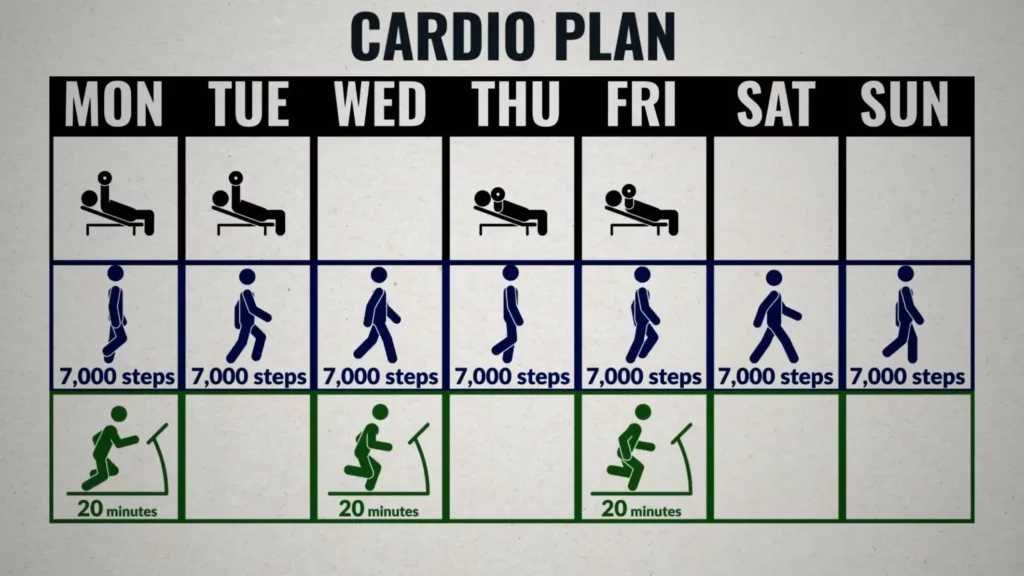
For optimal health, aim for at least 150 minutes of moderate-intensity cardio or 75 minutes of vigorous exercise per week. This helps improve your heart health, boost energy levels, and support weight management without overdoing it.
A good starting point for most people is about 3 to 5 sessions of cardio each week, totaling around 150 minutes. The key is balancing activity with your fitness goals, lifestyle, and current health. Whether you enjoy brisk walks, cycling, or running, regular cardio can make a big difference in your overall well-being.
Jumping into a cardio routine can be exciting, but figuring out how much to do might feel overwhelming. The right amount depends on your goals—whether you want to stay healthy, lose weight, or train for a specific event. Knowing the general guidelines helps you stay motivated and consistent, ensuring that your efforts yield great results without risking burnout or injury.

How Much Cardio Per Week: A Detailed Guide to Staying Fit
Understanding the Basics of Cardio Exercise
Cardio exercise, also known as aerobic activity, plays a vital role in keeping your heart healthy and boosting your overall fitness. It involves activities that increase your heart rate and help your lungs work more efficiently. Examples include walking, running, cycling, swimming, and dancing. Regular cardio can improve your mood, aid weight loss, and boost energy levels.
How Much Cardio Is Recommended for General Health
Health organizations suggest at least 150 minutes of moderate-intensity cardio exercise every week. This typically translates to about 30 minutes of activity five days a week. Alternatively, you can opt for 75 minutes of vigorous-intensity exercise per week, such as running or fast cycling. Consistency is key to gaining the health benefits of cardio.
Breaking Down Moderate and Vigorous Cardio
- Moderate-intensity cardio includes brisk walking, light cycling, or water aerobics. You’re breathing heavier than normal but can still hold a conversation.
- Vigorous-intensity cardio involves activities like running, uphill cycling, or aerobics classes. You will find it difficult to speak more than a few words without pausing for breath.
Understanding the difference helps tailor your workout to your fitness level and goals.
How Much Cardio Is Ideal for Weight Loss
If weight loss is your goal, you’ll need to engage in more cardio than the general recommendation. Typically, 300 minutes of moderate-intensity cardio weekly can help burn calories effectively. This breaks down to about 60 minutes a day, five days a week. Combining cardio with a healthy diet enhances weight loss results.
Sample Weekly Cardio Plan for Weight Loss
| Day | Activity | Duration | Intensity |
|---|---|---|---|
| Monday | Brisk walking | 45 minutes | Moderate |
| Tuesday | Running | 30 minutes | Vigorous |
| Wednesday | Cycling | 60 minutes | Moderate |
| Thursday | Swimming | 45 minutes | Vigorous |
| Friday | Dancing or aerobics | 50 minutes | Moderate to vigorous |
| Saturday | Hiking or long walk | 60 minutes | Moderate |
| Sunday | Rest or light activity | Optional | Low |
Balancing Cardio and Other Exercise Types
While cardio is essential, integrating strength training and flexibility exercises creates a well-rounded fitness routine. Strength training improves muscle mass, which boosts resting metabolism. Flexibility exercises like stretching or yoga prevent injuries and increase range of motion.
Recommended Weekly Balance
- Cardio exercises: 3 to 5 days per week
- Strength training: 2 to 3 days per week
- Flexibility exercises: 2 days per week
This combination ensures your body remains balanced and resilient.
Factors Influencing How Much Cardio You Should Do
Several factors determine the ideal amount of cardio for each person, including age, fitness level, and health conditions. Older adults or those with medical issues may need to start slow and gradually increase activity. Your current fitness level influences the intensity and duration you should aim for.
Age and Fitness Level
Younger individuals can often handle more vigorous activities, while older adults might focus on moderate exercise. Beginners should start with short, manageable sessions and slowly build up. Listening to your body minimizes the risk of injury or burnout.
Health Conditions and Medical Advice
People with chronic conditions like heart disease or joint problems should consult their healthcare providers. In many cases, gentle walks or swimming are safer options. Always prioritize safety and tailor your cardio plan accordingly.
How to Incorporate Cardio into Your Daily Routine
Making cardio a regular part of your day is easier with simple strategies. Walk or bike instead of driving short distances. Take the stairs instead of elevators. Schedule specific workout times to build consistency.
Practical Tips for Staying Active
- Set realistic goals based on your current activity level.
- Choose activities you enjoy to stay motivated.
- Break your workouts into shorter sessions if your schedule is tight.
- Track your progress to stay motivated and make adjustments.
Small habits can significantly increase your weekly cardio total over time.
Monitoring Your Progress and Adjusting Your Routine
Tracking your activity helps you see how much cardio you’re doing and if you meet your goals. Use apps, fitness trackers, or simple logs to record your workouts. Adjust your plan based on progress, fatigue levels, and changing goals.
Signs You Need to Increase or Decrease Cardio
- Increase if you stop seeing improvements or become too easy.
- Decrease if you experience pain, excessive fatigue, or signs of overtraining.
Always listen to your body and seek professional advice if needed.
Examples of Different Cardio Workouts
Including variety in your routine prevents boredom and challenges different muscle groups. Here are some popular options:
Walking
A low-impact activity perfect for beginners. Can be done anywhere and easily adjusted in pace.
Running
More intense, burns more calories, and improves cardiovascular endurance. Suitable for those who enjoy high-energy activities.
Cycling
Provides a great workout for your legs and is gentle on joints. Ideal for outdoor fun or stationary bikes.
Swimming
A full-body workout that is easy on joints and excellent for all fitness levels.
Jump Rope
A high-intensity option that improves coordination and burns many calories in a short time.
Safety Tips to Keep in Mind
Always warm up before starting your cardio and cool down afterward to prevent injuries. Wear proper footwear and stay hydrated, especially during intense workouts. Adjust your activity based on weather conditions and your current health status.
The Bottom Line
Knowing how much cardio per week is essential for reaching your health and fitness goals. Whether you aim to stay healthy, lose weight, or improve endurance, adjusting your weekly routine to suit your needs works best. Remember, consistency, variety, and listening to your body are key to success in any exercise plan.
Frequently Asked Questions
What is the recommended amount of cardio for general health?
To maintain overall health, aim for at least 150 minutes of moderate-intensity aerobic exercise weekly. This can include activities like brisk walking, cycling, or swimming. Spreading this out over several days helps improve cardiovascular health, boost mood, and increase energy levels. Consistency is key to seeing long-term benefits.
How does weekly cardio duration impact weight management?
Engaging in around 300 minutes of moderate to vigorous cardio each week helps burn calories and creates a calorie deficit, which supports weight loss or maintenance. Breaking this into manageable sessions, such as 30 to 60 minutes per day, makes it easier to stay committed. Incorporating variety keeps workouts engaging and prevents plateaus.
Can doing too much cardio harm my fitness goals?
Excessive cardio can lead to fatigue, increased injury risk, and may interfere with muscle recovery, especially if combined with intense strength training. It’s important to balance cardio with rest and strength workouts. Listening to your body and progressively adjusting intensity and duration helps prevent overtraining and supports sustainable progress.
Final Thoughts
How much cardio per week depends on individual goals and fitness levels. For general health, experts recommend at least 150 minutes of moderate-intensity exercise or 75 minutes of vigorous activity weekly.
Those aiming for weight loss or improved endurance might increase their sessions, but consistency matters most. Balance cardio with strength training to avoid burnout.
In conclusion, how much cardio per week should align with personal goals, but staying active regularly supports overall wellness and fitness progress.
As an Amazon Associate, We earn from qualifying purchases. When you purchase a product through Amazon links on pulsefitguide.com, we may earn a small commission at no extra cost to you. This helps support the site and keep our content free.
