


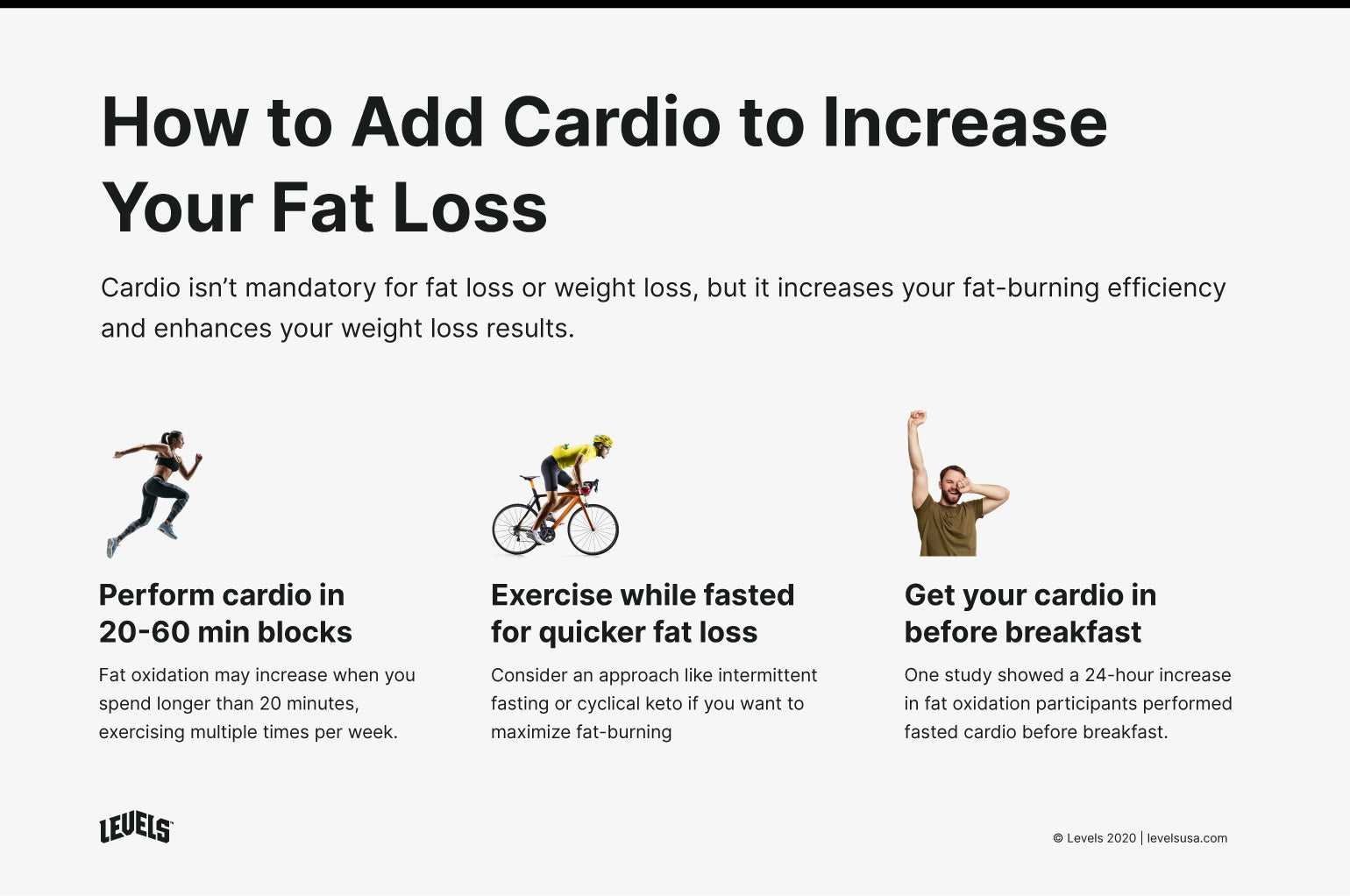
For most adults, aiming for about 150 minutes of moderate-intensity cardio or 75 minutes of vigorous activity per week strikes the perfect balance for health and fitness. The key is consistency and listening to your body—there’s no one-size-fits-all answer.
If you’re wondering how much cardio is enough, the quick answer is: about 150 minutes of moderate exercise weekly, spread across several sessions. This helps boost heart health, burn calories, and improve overall wellbeing without overtraining. But everyone’s different—your goals, fitness level, and lifestyle all matter. Whether you’re aiming to lose weight, increase endurance, or just stay active, the right amount of cardio varies from person to person. Finding a routine you enjoy and can stick with is the best way to stay motivated and achieve lasting results.

How Much Cardio Should I Do? A Complete Guide
Understanding the Basics of Cardio Exercise
Cardio exercise, also known as aerobic exercise, involves activities that increase your heart rate and help improve your cardiovascular health. Popular forms include running, cycling, swimming, and brisk walking. Knowing how much cardio to do helps you stay healthy without risking overtraining or injury.
The Recommended Weekly Amount of Cardio
The general guideline for most adults is at least 150 minutes of moderate-intensity cardio every week. This can be broken down into five sessions of around 30 minutes each. For those seeking additional health benefits, aim for 300 minutes weekly, which is roughly one hour five days a week.
Different Intensities and How They Affect Your Routine
Cardio intensity impacts how much exercise you should do.
- Moderate-intensity cardio makes you breathe faster but still allows you to talk. Examples include brisk walking or casual cycling.
- Vigorous-intensity cardio makes breathing hard and talking difficult. Activities include running or fast swimming.
Adjust your duration based on activity intensity—less time is needed for vigorous workouts compared to moderate ones.
How to Balance Cardio with Other Exercises
Mixing cardio with strength training creates a well-rounded fitness plan. If you perform strength training multiple days a week, consider doing cardio on alternate days or after strength sessions. This prevents overexertion and promotes recovery.
Understanding Your Fitness Goals
Your ideal cardio routine depends on your goals:
Weight Loss
Aim for 300 minutes of moderate cardio weekly, combined with healthy eating. Consistency is key for burning calories and shedding pounds.
Improving Heart Health
Follow the standard 150-minute weekly guideline to strengthen your heart and reduce risks of cardiovascular diseases.
Building Endurance
Gradually increase both the duration and intensity of your workouts. For example, extend your sessions from 30 to 45 minutes over several weeks.
How to Customize Your Cardio Routine
Personalize your exercise plan based on your current fitness level. Beginners might start with 10-15 minutes of walking, gradually increasing to 30 minutes. More experienced exercisers can incorporate interval training or longer sessions.
Incorporating Interval Training for Better Results
Interval training alternates between high and low-intensity exercises. For example, sprint for 30 seconds then walk for a minute. This method boosts calorie burn and improves fitness in less time.
Listening to Your Body and Avoiding Overtraining
Pay attention to signals like fatigue or soreness. Rest days are essential for recovery, especially after intense cardio sessions. Overtraining can lead to injuries or burnout.
How to Track Your Cardio Progress
Use tools like fitness trackers, smartphone apps, or heart rate monitors to stay on schedule. Aim for a target heart rate zone based on age and fitness level to ensure effective workouts.
Examples of Weekly Cardio Schedules
| Beginner | Intermediate | Advanced |
|---|---|---|
| 15-20 minutes 3 times a week | 30-45 minutes 4-5 times a week | 45-60 minutes 5-6 times a week |
Adjust based on your comfort level and goals for best results.
Dealing with Common Challenges
Many people struggle with motivation or time constraints. Try to include activities you enjoy, like dancing or sports, to stay consistent. Shorter, more frequent sessions can also be effective if time is limited.
Knowing how much cardio to do depends on your personal goals, fitness level, and schedule. Starting with the recommended amounts and gradually increasing can help you stay healthy and motivated. Remember, consistency and listening to your body are essential for a successful cardio routine. Keep adjusting your plan as you progress to stay challenged and prevent boredom.
Frequently Asked Questions
How can I determine the right amount of cardio based on my fitness goals?
To find the ideal amount of cardio, consider your specific fitness objectives. If you aim to improve cardiovascular health, aim for at least 150 minutes of moderate-intensity or 75 minutes of high-intensity cardio weekly. For weight loss, increasing duration or intensity can be beneficial, while endurance athletes might need more frequent and longer sessions. Listening to your body and adjusting accordingly helps ensure your cardio routine aligns with your goals.
What are some signs that I might be doing too much cardio?
Feeling constantly fatigued, experiencing persistent soreness, or noticing a decline in performance could indicate overdoing cardio. Additionally, if your workouts interfere with daily activities or cause emotional exhaustion, you may need to reduce your activity levels. Rest and recovery are essential components of a balanced fitness regimen.
How should I balance cardio with strength training in my weekly routine?
Integrating both types of exercise depends on your overall goals. For general health, aim for at least two to three sessions of strength training alongside your cardio workouts. A balanced plan could include cardio on most days with 2-3 strength sessions per week. Spacing out workouts and allowing recovery time for muscles helps prevent burnout and injury.
Is it better to do shorter, more intense cardio sessions or longer, moderate ones?
Both approaches offer benefits. Short, high-intensity sessions can improve endurance and burn calories quickly, making them efficient for busy schedules. Longer, moderate sessions are effective for building sustainable endurance and are easier to maintain over time. Combining both types in your routine can provide comprehensive health benefits.
How does my current fitness level influence my cardio duration and intensity?
Your fitness level guides how much and how hard you should do cardio. Beginners should start with shorter, lower-intensity workouts and gradually increase duration and intensity to avoid injury and fatigue. More experienced individuals can handle longer sessions and higher intensities, but it’s important to listen to your body and avoid overexertion.
Final Thoughts
Ultimately, how much cardio should i do depends on your goals and lifestyle. If you aim for overall health, aim for about 150 minutes of moderate-intensity cardio weekly or 75 minutes of vigorous activity. For weight loss or athletic performance, you may need to increase this amount gradually. Prioritize consistency and listen to your body to avoid burnout.
As an Amazon Associate, We earn from qualifying purchases. When you purchase a product through Amazon links on pulsefitguide.com, we may earn a small commission at no extra cost to you. This helps support the site and keep our content free.
