


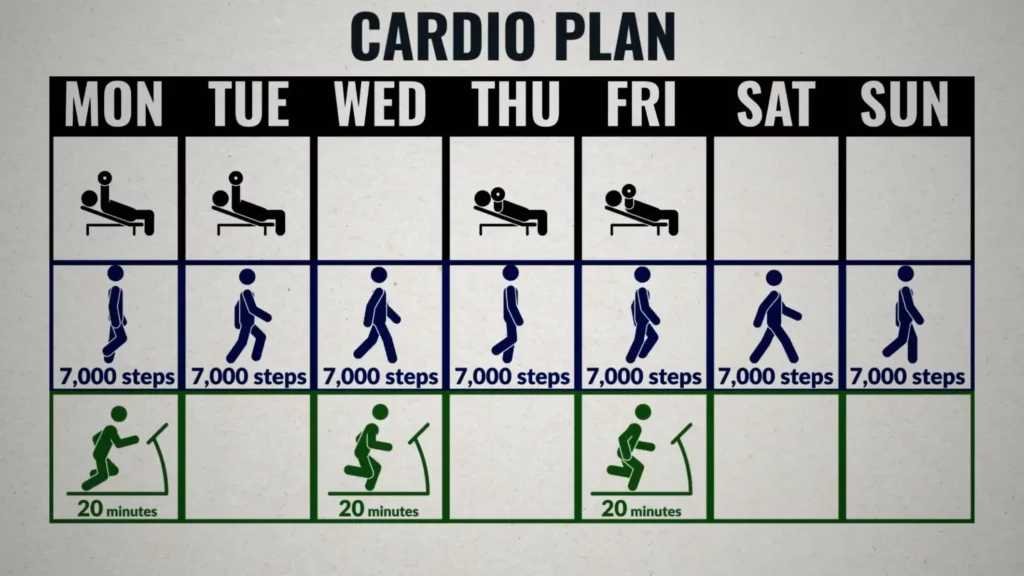
To shed pounds effectively, aim for about 150 to 300 minutes of moderate-intensity cardio per week, or 75 to 150 minutes of vigorous activity. The key is consistency and combining cardio with a healthy diet. Remember, everyone’s body is different, so listen to yours and adjust accordingly for the best results.
If you’re wondering how much cardio you should do for weight loss, the answer depends on your goals, fitness level, and lifestyle. Generally, engaging in regular, moderate to vigorous cardio sessions—such as brisk walking, running, cycling, or swimming—can accelerate fat loss. Incorporating a mix of different intensities and durations ensures you stay motivated and avoid plateaus. Ultimately, consistency and balancing cardio with strength training and healthy eating are what make weight loss sustainable.
Jumping into a hefty workout routine right away might seem tempting, but understanding the right amount of cardio for your specific body can make all the difference. Too little, and you may not see results; too much, and you risk burnout or injury. Finding that sweet spot where you enjoy your workouts and stay committed is essential. Whether you’re just starting out or looking to fine-tune your routine, knowing how much cardio to do helps you stay motivated and on track towards your weight loss goals.

How Much Cardio Should I Do for Weight Loss?
Understanding Cardio and Its Role in Weight Loss
Cardio, short for cardiovascular exercise, involves activities that raise your heart rate and help you burn calories. It includes walking, running, cycling, swimming, and dancing. Incorporating the right amount of cardio can help shed excess weight effectively.
Many people wonder about the ideal duration and frequency of cardio workouts for weight loss. To see results, it’s essential to find a balance that suits your body’s needs and fitness level. The goal is to create a consistent routine that promotes fat burning while preventing injury.
Recommended Weekly Cardio Duration for Effective Weight Loss
The Centers for Disease Control and Prevention suggest aiming for at least 150 minutes of moderate-intensity cardio each week. This translates to about 30 minutes per day, five days a week. If you prefer vigorous-intensity workouts, 75 minutes per week can be sufficient.
For faster weight loss or more significant results, many fitness experts recommend increasing cardio to 300 minutes per week. That means about 45 minutes to an hour on most days. This longer duration helps elevate calorie burn and promotes steady weight reduction.
How to Break Down Your Cardio Sessions
You don’t have to do all your cardio in one session. Dividing workouts into shorter bouts can be just as effective. For example, three sessions of 10-minute walks or two 20-minute runs spread throughout the day work well.
Splitting sessions makes it easier to fit into a busy schedule and can boost motivation. These shorter sessions still contribute to your total weekly goal and help prevent burnout.
Intensity Levels and Their Impact on Weight Loss
The intensity of your cardio affects how many calories you burn. Moderate-intensity activities, like brisk walking, allow you to talk comfortably while exercising. Vigorous activities, such as running or fast cycling, make talking difficult but burn more calories quickly.
Combining different intensity levels can be beneficial. For example, doing high-intensity interval training (HIIT) involves alternating between intense bursts and recovery periods. HIIT sessions are typically shorter but can burn more calories in less time.
Understanding the Concept of Calories Burned
Burning calories is the main reason cardio helps with weight loss. On average, a person weighing 155 pounds burns approximately 300 calories during 30 minutes of moderate-intensity exercise. Heavier individuals may burn more calories in the same time.
Tracking your calorie expenditure helps set realistic goals. Apps or fitness trackers can estimate the number of calories burned during different activities, assisting in planning your routine.
Balancing Cardio With Other Exercises
While cardio is effective, combining it with strength training offers the best results. Building muscle boosts metabolism, which helps burn more calories even when resting. Aim to include two to three strength workouts weekly alongside your cardio sessions.
Integrating flexibility and balance exercises, like yoga or stretching, can prevent injuries and improve overall movement quality. A diverse exercise routine keeps you motivated and promotes better health.
Adjusting Cardio Based on Weight Loss Progress
As you lose weight, your body becomes more efficient at burning calories. To continue progressing, you might need to increase either the duration or intensity of your workouts. Listening to your body is key.
Set small, achievable targets to stay motivated. For instance, if walking 30 minutes feels easy, try extending it to 40 or adding hills for more challenge.
Potential Risks of Excessive Cardio
Doing too much cardio can lead to fatigue, injury, or burnout. Overtraining may also cause muscle loss, which can slow down weight loss. It’s vital to incorporate rest days into your routine.
Pay attention to signs of overexertion such as persistent soreness, fatigue, or mood changes. Prioritize recovery and include variety to prevent overuse injuries.
Tips for Making Cardio a Sustainable Habit
Consistency is essential for weight loss. Find activities you enjoy to make exercising more fun. For example, dancing, swimming, or hiking can keep you engaged.
Set realistic goals and track your progress to stay motivated. Incorporate social elements, like walking with friends, to add accountability. Remember, small, regular efforts lead to lasting results.
Related Topics to Consider
- Nutrition and its impact on weight loss
- Combining cardio with healthy eating habits
- The importance of hydration during exercise
- Rest and recovery for optimal results
- Setting realistic weight loss goals
Summary
Determining the right amount of cardio depends on your individual goals, fitness level, and schedule. Most adults should aim for at least 150 minutes of moderate exercise weekly, with options to increase for faster results. Combining different intensities and durations keeps workouts engaging and effective. Remember to listen to your body, avoid overtraining, and include other forms of exercise for best outcomes.
Making cardio a regular part of your routine can greatly assist your weight loss journey. By setting achievable goals and staying consistent, you’ll be on your way to healthier, fitter living. Keep in mind that patience and persistence are key to long-term success.
Frequently Asked Questions
How can I determine the right amount of cardio for my weight loss goals?
To find the appropriate level of cardio, consider your current fitness level, how much weight you want to lose, and your overall schedule. Start with moderate sessions, such as 150 minutes per week, and adjust based on your progress. Listening to your body and avoiding overtraining can help you maintain consistency and prevent injuries.
Should I combine cardio with strength training for better weight loss results?
Yes, integrating strength training with cardio can enhance weight loss. Cardio burns calories during the activity, while strength training helps build muscle, which increases your resting metabolic rate. A balanced approach usually involves several sessions of cardio and strength workouts each week to achieve optimal results.
Is it more effective to do high-intensity interval training or steady-state cardio for losing weight?
High-intensity interval training (HIIT) often provides quicker calorie burns and can boost metabolism even after the workout ends. Steady-state cardio is easier to sustain for longer periods and is gentler on the joints. Both methods can be effective; choosing based on your fitness level and preferences can help you stick with your routine.
How often should I vary my cardio workouts to prevent plateaus?
Changing your cardio routine every 4 to 6 weeks keeps your body challenged and prevents plateaus. You can vary the type, intensity, and duration of your workouts. This variation helps maintain motivation and continually stimulates calorie burn to support ongoing weight loss.
Final Thoughts
To conclude, how much cardio should I do for weight loss depends on individual goals and fitness levels. Aim for at least 150 minutes of moderate-intensity or 75 minutes of high-intensity cardio weekly. Incorporate variety to stay motivated and avoid plateaus. Consistency and balanced eating also play vital roles in effective weight loss.
As an Amazon Associate, We earn from qualifying purchases. When you purchase a product through Amazon links on pulsefitguide.com, we may earn a small commission at no extra cost to you. This helps support the site and keep our content free.
