


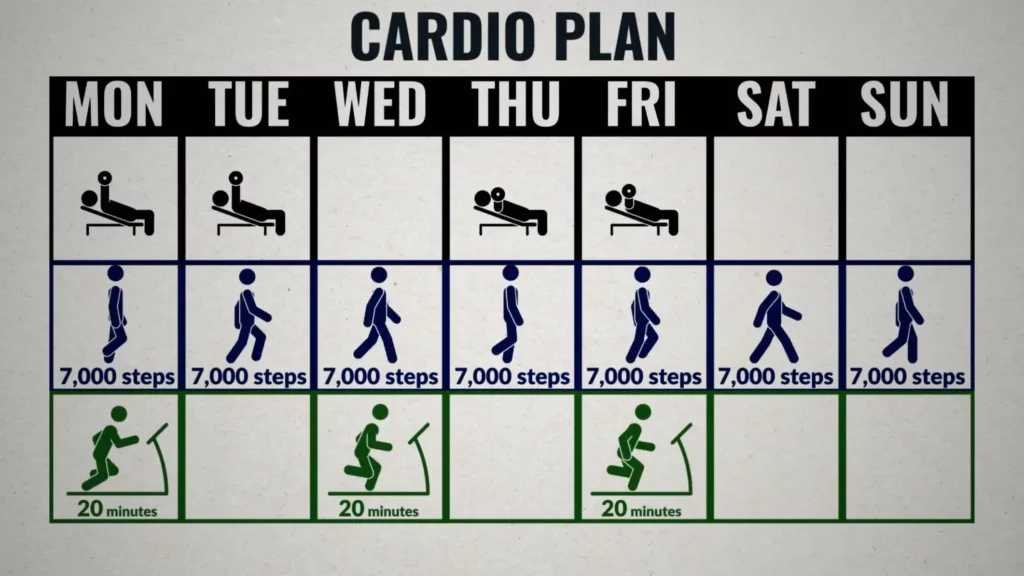
Aim for at least 150 minutes of moderate-intensity cardio or 75 minutes of vigorous activity each week, spread throughout the week for best results. Keep in mind, the right amount varies depending on your goals, current fitness level, and lifestyle. Consistency is key to seeing benefits, whether you’re looking to improve heart health, lose weight, or boost your mood.
If you’re wondering how much cardio you should do daily, the good news is that about 30 minutes a day, most days of the week, is a solid target for general health. But it’s flexible—listening to your body and adjusting based on your goals and how you feel is just as important as sticking to a set number.
Getting moving is one of the simplest ways to improve overall well-being, but figuring out the right amount can be confusing. Cardio isn’t just about burning calories; it’s about enhancing your heart health, stamina, and mental clarity. Whether you’re just starting out or an exercise enthusiast, knowing how much cardio to do each day can help you stay motivated and prevent burnout. Let’s explore what’s ideal for different fitness levels and goals so you can find a routine that works for you.

How Much Cardio Should I Do Per Day?
Understanding Cardio and Its Benefits
Cardio exercises are activities that get your heart pumping faster. They help improve your heart health, boost endurance, and burn calories. Regular cardio can also help manage weight, increase energy levels, and improve mood.
Recommended Weekly Cardio Guidelines
Health experts suggest at least **150 minutes of moderate-intensity** cardio each week. This breaks down to about **30 minutes a day, five days a week**. Alternatively, engaging in **75 minutes of vigorous-intensity** cardio weekly is also beneficial.
How Much Cardio Should I Do per Day?
The answer depends on your fitness goals and current health. For general health, doing **around 30 minutes of moderate cardio** daily is a good starting point. If you’re aiming for weight loss or training for a specific event, you might need to do more.
Moderate vs. Vigorous Intensity Cardio
- Moderate intensity includes brisk walking, cycling, or swimming—activities that make you breathe faster but still allow you to talk.
- Vigorous intensity involves running, intense cycling, or aerobics—activities that make talking difficult without stopping for breath.
Listening to Your Body
Pay attention to how your body feels during and after exercise. If you’re tired or sore, it’s okay to cut back. Rest days are essential for recovery and preventing injuries.
Balancing Cardio with Other Exercises
While cardio is important, combining it with strength training and flexibility exercises offers a balanced fitness routine. Strength training helps build muscle, which can increase calorie burn even at rest. Flexibility exercises improve mobility and reduce injury risk.
How Often Should You Mix Cardio and Strength?
– Aim for at least **two days of strength training each week**.
– Incorporate **cardio sessions on most days**, adjusting duration and intensity based on your goals.
Factors That Influence Cardio Needs
Your age, weight, health condition, and lifestyle all impact how much cardio you should do. Younger, healthier individuals may tolerate more frequent workouts, while beginners should start slow.
Special Considerations for Various Age Groups
- Children and teenagers should aim for at least **60 minutes of activity daily**, including cardio.
- Adults over 50 should focus on moderate activities and include balance exercises.
Tracking Your Cardio Progress
Use a fitness tracker or app to monitor your heart rate, duration, and intensity. Keeping a log helps you see improvements and stay motivated.
Understanding Heart Rate Zones
Knowing your target heart rate can guide your workout intensity:
| Heart Rate Zone | Intensity Level | Examples |
|---|---|---|
| 50-60% | Light | Walking slowly, stretching |
| 60-70% | Moderate | Brisk walking, easy cycling |
| 70-85% | Vigorous | Running, fast cycling |
Benefits of Consistent Cardio
Regular cardio helps lower blood pressure, improve cholesterol levels, and strengthen your heart muscle. It also boosts mood by releasing endorphins and helps maintain a healthy weight.
Adapting Cardio for Your Lifestyle
Choose activities that fit into your daily routine to stay consistent. If mornings are busy, try quick workouts during lunch or in the evening. Variety keeps things interesting and helps target different muscle groups.
Examples of Easy-to-Integrate Cardio Activities
- Jump rope during breaks
- Dance to your favorite music
- Walk or bike to nearby places
- Join group fitness classes
Risks of Doing Too Much Cardio
Overdoing cardio can lead to fatigue, injuries, or burnout. Excessive cardio with insufficient rest may weaken the immune system and cause muscle loss.
Signs You Might Be Overdoing It
- Persistent soreness or fatigue
- Difficulty sleeping
- Decreased performance over time
Creating a Cardio Routine That Works
Start with manageable durations and gradually increase as your fitness improves. Mix different types of cardio to prevent boredom and target various fitness aspects.
Sample Weekly Cardio Plan for Beginners
- Monday: 30-minute brisk walk
- Tuesday: Rest or light stretching
- Wednesday: 20-minute cycling
- Thursday: Rest or yoga
- Friday: 30-minute swimming or water aerobics
- Saturday: Active leisure (hiking, dancing)
- Sunday: Rest or gentle stretching
Final Tips for Getting the Right Amount of Cardio
– Set realistic goals based on your lifestyle and fitness level.
– Incorporate variety to stay motivated.
– Prioritize proper warm-up and cool-down to prevent injuries.
– Stay hydrated and wear appropriate gear.
– Consult a healthcare provider if you have existing health issues before starting a new routine.
For most people, doing around **30 minutes of moderate cardio daily** provides significant health benefits. Adjust your routine based on your goals, body signals, and other activities for a safe and effective fitness journey.
Frequently Asked Questions
What are the general guidelines for daily cardio activity?
Most health experts recommend at least 150 minutes of moderate-intensity cardio or 75 minutes of vigorous activity each week. Spreading this out over several days, such as 30 minutes five times a week, helps improve cardiovascular health and maintain a healthy weight. Adjust the duration based on your fitness level and overall goals to ensure consistency and prevent burnout.
How can I determine the right amount of cardio for my fitness level?
Start by assessing your current fitness level and setting clear objectives. Beginners should begin with shorter sessions, around 10-15 minutes, gradually increasing both duration and intensity over time. Those with more experience can aim for longer or more intense workouts, such as 45 minutes to an hour, depending on their goals and recovery capacity. Listening to your body and consulting a fitness professional can help tailor your routine safely.
Is it better to do multiple short sessions or one long session each day?
Both approaches can be effective, but splitting your cardio into shorter sessions, like three 10-minute workouts, might suit busy schedules and reduce fatigue. Shorter sessions also maintain a higher level of motivation and consistency. However, if time permits and your goal involves higher endurance, completing a longer session can provide more substantial cardiovascular benefits. Choose the pattern that fits your lifestyle and helps you stay committed.
Final Thoughts
The amount of cardio you should do per day depends on your fitness goals and current health level. Generally, aim for at least 150 minutes of moderate-intensity exercise or 75 minutes of vigorous activity weekly.
Spread your workouts evenly throughout the week to stay consistent and prevent burnout. Adjust the duration and intensity based on how your body responds and your overall schedule.
In conclusion, how much cardio should i do per day? It varies, but most adults benefit from 30-60 minutes of moderate activity daily. Prioritize regular activity tailored to your needs for better health and endurance.
As an Amazon Associate, We earn from qualifying purchases. When you purchase a product through Amazon links on pulsefitguide.com, we may earn a small commission at no extra cost to you. This helps support the site and keep our content free.
