


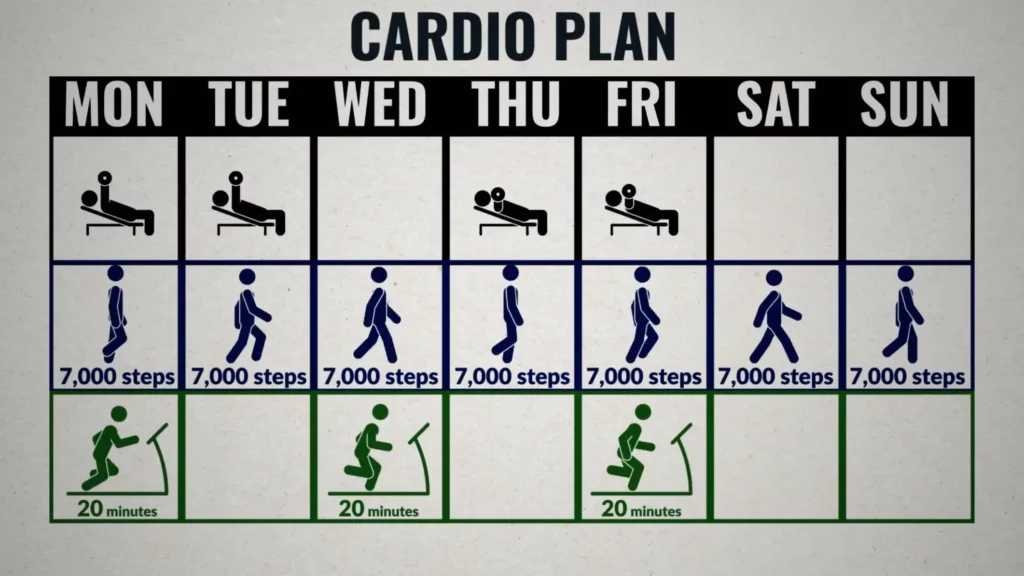
Start with at least 150 minutes of moderate-intensity cardio or 75 minutes of vigorous exercise each week for optimal health. Adjust based on your fitness goals, activity level, and schedule for best results. Consistency is key, and spreading your workouts evenly throughout the week helps maximize benefits.
Most people wonder how much cardio they should do to stay healthy, lose weight, or boost endurance. The truth is, there’s no one-size-fits-all answer, but generally aiming for around 150 minutes of moderate exercise or 75 minutes of high-intensity activity weekly is a great starting point. Whether you’re jogging, cycling, or dancing, finding a routine that fits your lifestyle and keeps you motivated is what truly matters. Incorporate variety and listen to your body to avoid burnout or injuries. Ultimately, the right amount depends on your personal goals—whether it’s improving heart health, shedding pounds, or just staying active and energized.

How Much Cardio Should I Do Per Week? A Complete Guide
Understanding Cardio: What Is It?
Cardio, short for cardiovascular exercise, includes activities that increase your heart rate and help improve your heart health. Examples include walking, running, cycling, swimming, and dancing. These activities boost your endurance and burn calories, making them a key part of fitness routines.
The Benefits of Doing Cardio Weekly
Regular cardio offers many advantages. It helps control weight, reduces the risk of heart disease, improves lung capacity, and lifts your mood. Additionally, consistent cardio can increase your energy levels and support overall physical health.
How Much Cardio Is Recommended by Experts?
Most health authorities suggest at least 150 minutes of moderate-intensity cardio per week. That could be 30 minutes on five days. For vigorous activities, about 75 minutes a week is enough, divided into manageable sessions.
Breaking Down Cardio Intensity Levels
Moderate-Intensity Cardio
This level makes you breathe faster but still able to hold a conversation. Examples include brisk walking or gentle cycling. It’s ideal for beginners and those aiming for general health.
Vigorous-Intensity Cardio
This level significantly raises your breathing and heart rate, fitting activities like running or intense aerobics. These sessions are effective for burning more calories in less time and improving stamina.
How to Find the Right Balance for Your Weekly Cardio
Start by setting your fitness goals, whether it’s losing weight, increasing endurance, or staying healthy. Then, choose the appropriate intensity and duration that fits your schedule and fitness level.
Factors That Influence How Much Cardio You Should Do
Age and Fitness Level
Younger and more fit individuals can handle longer and more intense sessions. Older adults or beginners should start slow and gradually increase activity.
Health Conditions
People with chronic illnesses should consult a doctor before starting or increasing cardio. They might need tailored routines to stay safe.
Weight Loss Goals
To lose weight, you may need to do more cardio or combine it with a healthy diet. Generally, increasing activity helps burn more calories.
Creating Your Weekly Cardio Schedule
Here’s a simple way to plan your weekly routine:
- Start with 3 days of moderate cardio of 30 minutes each.
- Add 1 or 2 days of vigorous activity for 20 to 30 minutes.
- Include rest days or low-intensity activities like walking or stretching.
Adjust based on how your body feels and your personal goals.
Sample Weekly Cardio Plan for Different Goals
| Goal | Days of Cardio | Duration | Intensity |
|---|---|---|---|
| General Health | 5 days | 30 minutes | Moderate |
| Weight Loss | 5-6 days | 45 minutes | Moderate to vigorous |
| Endurance Building | 4-5 days | 45-60 minutes | Vigorous |
Incorporating Variety into Your Cardio Routine
Mixing different activities like swimming, jogging, or cycling keeps workouts interesting. It also works different muscle groups and reduces boredom. Plus, variety can prevent overuse injuries and improve overall fitness.
Monitoring Your Progress and Staying Motivated
Track your workouts using a journal or app to see improvements over time. Set small, achievable goals to stay motivated. Remember, consistency is key to seeing health benefits and reaching your fitness target.
Signs You Are Doing Too Much Cardio
Overdoing cardio can lead to fatigue, injuries, or burnout. Watch for symptoms like persistent soreness, decreased performance, or feeling overly tired. Rest days are just as important as workout days to allow your body to recover.
Balancing Cardio with Other Types of Exercise
While cardio is vital, combining it with strength training and flexibility exercises creates a well-rounded fitness routine. Strength training supports muscle health, while stretching prevents injuries and improves mobility.
The Role of Rest and Recovery
Rest allows your muscles to repair and grow stronger. Aim for at least one rest day per week and listen to your body’s signals. Proper sleep and hydration also boost your fitness results.
Common Mistakes and How to Avoid Them
Avoid starting too intense or too long, especially if you are new to exercise. Gradually increase duration and intensity. Always warm-up before and cool down after your sessions to prevent injuries.
Knowing how much cardio to do per week depends on your goals, fitness level, and health status. A balanced approach with the right mix of moderate and vigorous activities maximizes benefits. Stay consistent, listen to your body, and enjoy your workouts to achieve the best results.
Frequently Asked Questions
How can I determine the right amount of cardio for my fitness level?
To find the appropriate amount of cardio, consider your current fitness level, goals, and schedule. Beginners might start with shorter sessions, such as 15-20 minutes, a few times a week, and gradually increase duration and frequency. More advanced individuals can aim for 150-300 minutes of moderate-intensity cardio weekly. Listen to your body and adjust accordingly to avoid overtraining or injury.
What are the benefits of doing different types of cardio exercises regularly?
Incorporating various cardio activities, like running, cycling, swimming, or brisk walking, keeps workouts engaging and challenges different muscle groups. This variety can improve overall cardiovascular health, enhance endurance, and prevent workout boredom. Additionally, mixing activities reduces the risk of repetitive strain injuries and helps you develop a well-rounded fitness base.
How does intensity influence how often I should do cardio each week?
The intensity of your cardio sessions significantly impacts the frequency needed. High-intensity workouts, such as sprinting or vigorous cycling, typically require fewer sessions per week—around 2 to 3—due to their demanding nature. Moderate-intensity activities can often be performed more frequently, up to 5-6 times weekly, providing consistent health benefits without excessive fatigue.
Can I do too much cardio, and what are the signs to watch for?
Yes, overdoing cardio can lead to fatigue, soreness, decreased performance, and even injury. Signs of too much cardio include persistent tiredness, irritability, trouble sleeping, and a decline in strength or endurance. Ensuring adequate rest and recovery between sessions helps your body adapt safely and maintain optimal health.
How should I balance cardio with strength training in my weekly routine?
Balance your schedule by dedicating specific days to cardio and others to strength training. Aim for at least 150 minutes of moderate-intensity cardio weekly, spread across 3-5 sessions, alongside strength exercises at least twice a week. This approach supports overall fitness, promotes muscle health, and reduces the risk of burnout or injury.
Final Thoughts
You should aim for at least 150 minutes of moderate-intensity cardio each week or 75 minutes of vigorous activity. Spread this out over several days to maintain consistency and prevent fatigue. Incorporating different types of cardio, like walking, cycling, or swimming, keeps exercise enjoyable. Finally, remember that how much cardio should i do per week depends on your personal fitness goals and overall health; stay mindful and adjust accordingly.
As an Amazon Associate, We earn from qualifying purchases. When you purchase a product through Amazon links on pulsefitguide.com, we may earn a small commission at no extra cost to you. This helps support the site and keep our content free.
