


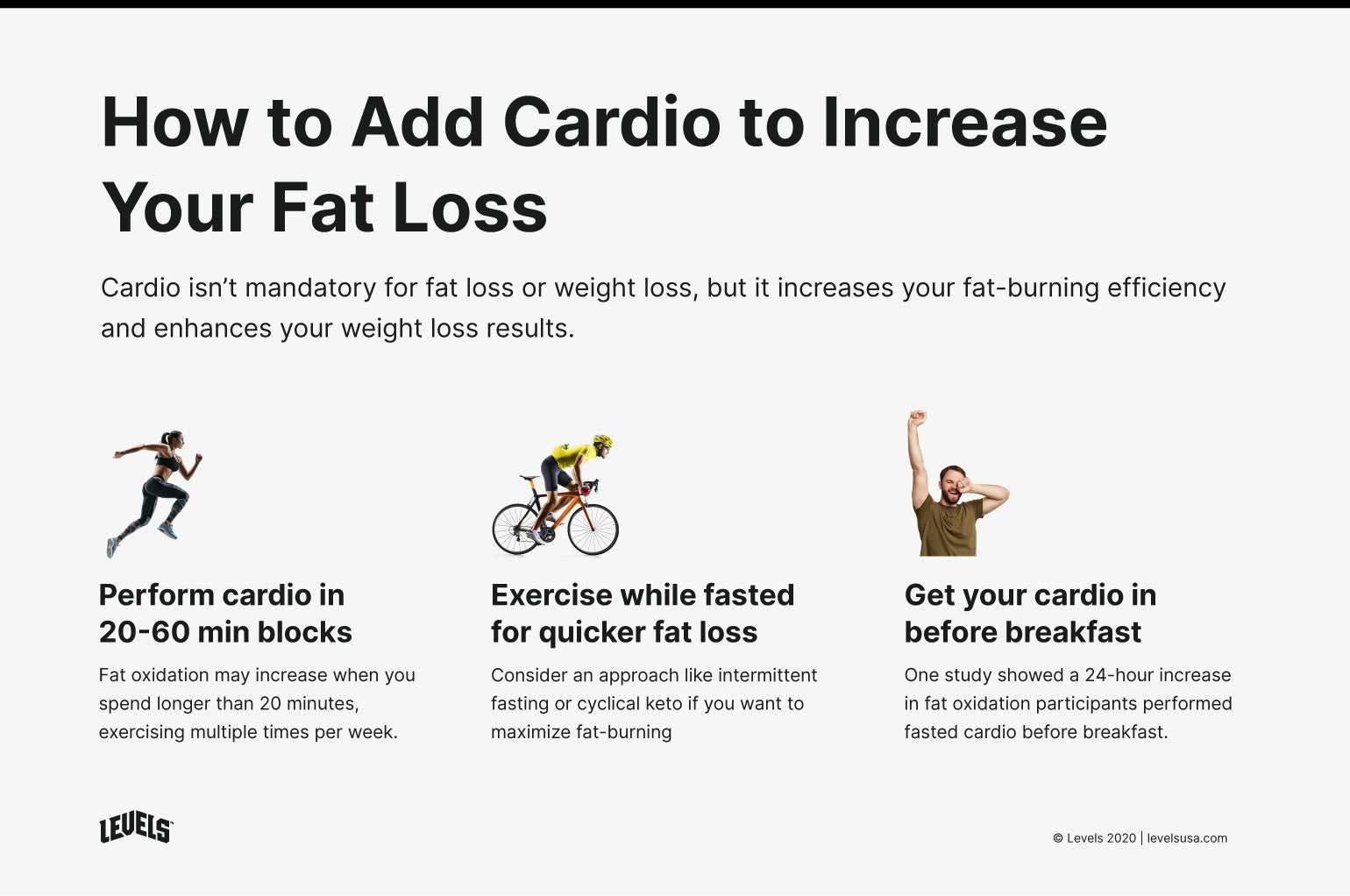
The perfect amount of cardio for you depends on your fitness goals, but generally, 150 minutes of moderate-intensity or 75 minutes of vigorous exercise per week is a great target. Incorporating cardio into your routine can boost heart health, burn calories, and improve overall energy levels. But how much is too much, or not enough? The key is balancing consistency with variety, ensuring you enjoy your workouts while making steady progress. For most individuals, doing about 3 to 5 sessions a week, each lasting 30 to 45 minutes, hits the sweet spot. Remember, listening to your body and gradually increasing intensity or duration will help prevent injury and keep you motivated. Whether you’re aiming to lose weight, build endurance, or just stay active, there’s a cardio routine that fits your lifestyle perfectly.

How Much Cardio Should You Do? A Complete Guide
Understanding Cardio and Its Benefits
Cardio, short for cardiovascular exercise, gets your heart pumping and increases your breathing rate. It helps burn calories, improve heart health, and boost your energy levels. Regular cardio can also support weight loss and reduce the risk of many diseases.
Factors That Influence How Much Cardio You Need
Several factors determine how much cardio you should do. Your age, fitness level, body goals, and lifestyle all play a role. Someone training for a marathon will do more than a beginner looking to stay healthy.
Age and Cardio
As you age, your body might need different types and amounts of exercise. Younger people can often handle more cardio, but older adults benefit from gentle, consistent activity. Always consider health conditions and consult a doctor if needed.
Fitness Level and Cardio
Beginners should start slow and gradually increase their activity. More experienced exercisers can handle longer sessions or higher intensities. Your current fitness level guides how much cardio is right for you.
Goals and Cardio
Your specific goals influence your cardio routine. For example, someone aiming for weight loss might need more cardio than someone focused on muscle building. Clear goals help determine the right amount to do.
How Much Cardio Is Recommended by Health Experts?
Health organizations provide general guidelines for cardio exercise. The World Health Organization recommends at least 150 minutes of moderate-intensity cardio weekly. Alternatively, 75 minutes of vigorous activity is advised.
Breaking Down the Recommendations
You can divide your weekly cardio into manageable sessions. For example, 30 minutes five days a week meets the minimum. More sessions or longer durations can lead to better results.
Moderate vs. Vigorous Cardio
Moderate cardio includes brisk walking or cycling. Vigorous activity involves running or fast swimming. The intensity impacts how much exercise you should do to see benefits.
Different Types of Cardio and How Much to Do
Variety keeps your routine interesting and effective. Choose from walking, running, cycling, swimming, or dancing. The type of cardio influences ideal duration and frequency.
Low-Impact Cardio
Activities like walking, elliptical, or swimming are gentle on joints. Beginners or those with joint issues should start with these options. Aim for at least 150 minutes weekly for health benefits.
High-Impact Cardio
Running, jumping rope, or HIIT workouts are more intense. They burn more calories in less time but can be tough on the body. Limit sessions to 20-30 minutes if needed, especially for newcomers.
Intensity Matters: How Hard Should You Work?
The intensity of your cardio affects how much you should do. Light activity might only need 30 minutes, while vigorous workouts might be shorter but more intense.
Measuring Intensity
Use your heart rate to gauge intensity. Moderate is about 50-70% of your max heart rate, vigorous is above 70%. Alternatively, use the “talk test”—you should be able to talk but not sing during moderate cardio.
Adjusting Based on Intensity
Higher intensity workouts can be shorter but still provide excellent benefits. Lower intensity can be longer and still effective for overall health.
How to Incorporate Cardio into Your Weekly Routine
Creating a balanced weekly plan ensures consistent effort without overtraining. Mix different activities and durations to keep things engaging.
Sample Weekly Cardio Schedule
- Monday: 30 minutes brisk walking
- Tuesday: Rest or light stretching
- Wednesday: 20 minutes running or cycling
- Thursday: Rest or gentle swimming
- Friday: 30 minutes dancing or aerobic class
- Saturday: Long walk or hike, lasting 45-60 minutes
- Sunday: Rest or yoga
Listening to Your Body
Pay attention to how you feel during and after exercise. Rest if you experience pain or fatigue. Gradually increase your workout duration and intensity.
Benefits of Consistent Cardio Practice
Regular cardio can lead to sustained weight management, improved heart health, and better mood. It also strengthens your lungs and boosts your immune system.
Mental and Emotional Benefits
Cardio releases endorphins, reducing stress and improving your mood. It can also boost confidence as you see progress and feel healthier.
Physical Benefits
Consistent cardio helps lower blood pressure, improve cholesterol levels, and enhance overall endurance. It supports a healthy metabolism and weight control.
Common Mistakes and How to Avoid Them
Many people overdo or underdo cardio, which can hinder progress. Avoid skipping warm-ups, neglecting rest, or doing exercises that cause pain.
Overtraining
Too much cardio can lead to fatigue or injury. Listen to your body and include rest days to allow recovery.
Ignoring Variety
Sticking to one type of exercise may lead to plateaus. Mix activities to engage different muscles and keep motivation high.
Special Considerations for Different Populations
Kids, seniors, and those with health conditions should tailor their cardio routines. Always seek professional advice if unsure.
Children and Teens
Aim for at least 60 minutes of activity daily, including fun activities like biking or playing sports.
Seniors
Low-impact activities such as walking or water aerobics are ideal. Focus on consistency and avoid high-impact exercises.
People with Health Conditions
Consult a healthcare provider before starting a new routine. Modify exercises to suit your health needs and capabilities.
Maximizing Your Cardio Routine for Better Results
Set achievable goals, track your progress, and increase intensity gradually. Combining cardio with strength training can improve overall fitness.
Progressive Overload
Gradually increase your workout duration or intensity to avoid plateaus and continue improving.
Using Technology
Fitness trackers and heart rate monitors help you stay within target zones. Apps can also motivate and guide your workouts.
Keeping Motivation High
Find activities you enjoy, set small goals, and celebrate milestones. Having a workout buddy can also boost consistency.
Safety Tips for Cardio Exercises
Always warm up before starting and cool down afterward. Wear suitable footwear and stay hydrated during workouts.
Hydration and Nutrition
Drink water before, during, and after exercise. Fuel your body with nutritious food for energy and recovery.
Proper Equipment and Environment
Choose comfortable clothing and appropriate gear. Exercise in safe, well-lit areas to prevent accidents.
Determining how much cardio you should do depends on your individual goals, health status, and preferences. Balance moderate and vigorous activities, listen to your body, and stay consistent. Incorporate variety and gradually increase your effort to see lasting benefits and enjoy your fitness journey.
Frequently Asked Questions
How can I determine the appropriate duration for my cardio workouts?
The ideal duration depends on your fitness goals, current fitness level, and overall schedule. For general health, aim for at least 150 minutes of moderate-intensity exercise weekly, which breaks down to about 30 minutes on most days. If you’re training for endurance or weight loss, you might need longer sessions, around 45 to 60 minutes. Start with a manageable amount and gradually increase the duration to avoid burnout and prevent injury.
What are the benefits of doing different types of cardio for varying lengths of time?
Different cardio activities and session lengths target your body in unique ways. Shorter, high-intensity sessions boost your metabolism and improve cardiovascular capacity quickly. Longer, moderate-intensity workouts enhance endurance and burn more calories overall. Combining various durations can keep your routine interesting, prevent plateaus, and address multiple fitness aspects effectively.
Is it necessary to do cardio every day, and how does session length impact recovery?
While daily cardio can benefit your health, it’s important to listen to your body and allow adequate recovery. Sessions lasting 30 to 45 minutes are generally enough to gain benefits without overtaxing your body. If you engage in high-intensity or longer workouts, schedule rest or lighter activity days to enable your muscles to recover and reduce the risk of overtraining.
How should I adjust my cardio time as I progress in my fitness journey?
As your fitness level improves, consider gradually increasing the duration or intensity of your cardio workouts to continue challenging your body. You can add extra minutes, incorporate interval training, or switch to more demanding activities. Monitoring your progress and listening to your body’s responses will help you make safe and effective adjustments.
Does the type of cardio influence how long I should perform each session?
Yes, different types of cardio can require different session lengths. For example, low-impact activities like walking or cycling might be sustained for longer periods, while high-impact or high-intensity workouts such as sprinting or HIIT sessions tend to be shorter, around 20-30 minutes. Choose based on your fitness goals, energy levels, and any physical limitations to ensure effective and enjoyable workouts.
Final Thoughts
The amount of cardio you should do depends on your fitness goals and lifestyle. Generally, aiming for at least 150 minutes of moderate-intensity or 75 minutes of high-intensity cardio weekly offers health benefits. Incorporate variety to keep workouts engaging and effective.
Consider your personal preferences and schedule when planning your routine. Consistency is key to seeing progress and maintaining motivation.
How much cardio should you do? Balance and listening to your body guide your effort. Tailor your cardio routine to support your health without overdoing it.
As an Amazon Associate, We earn from qualifying purchases. When you purchase a product through Amazon links on pulsefitguide.com, we may earn a small commission at no extra cost to you. This helps support the site and keep our content free.
