


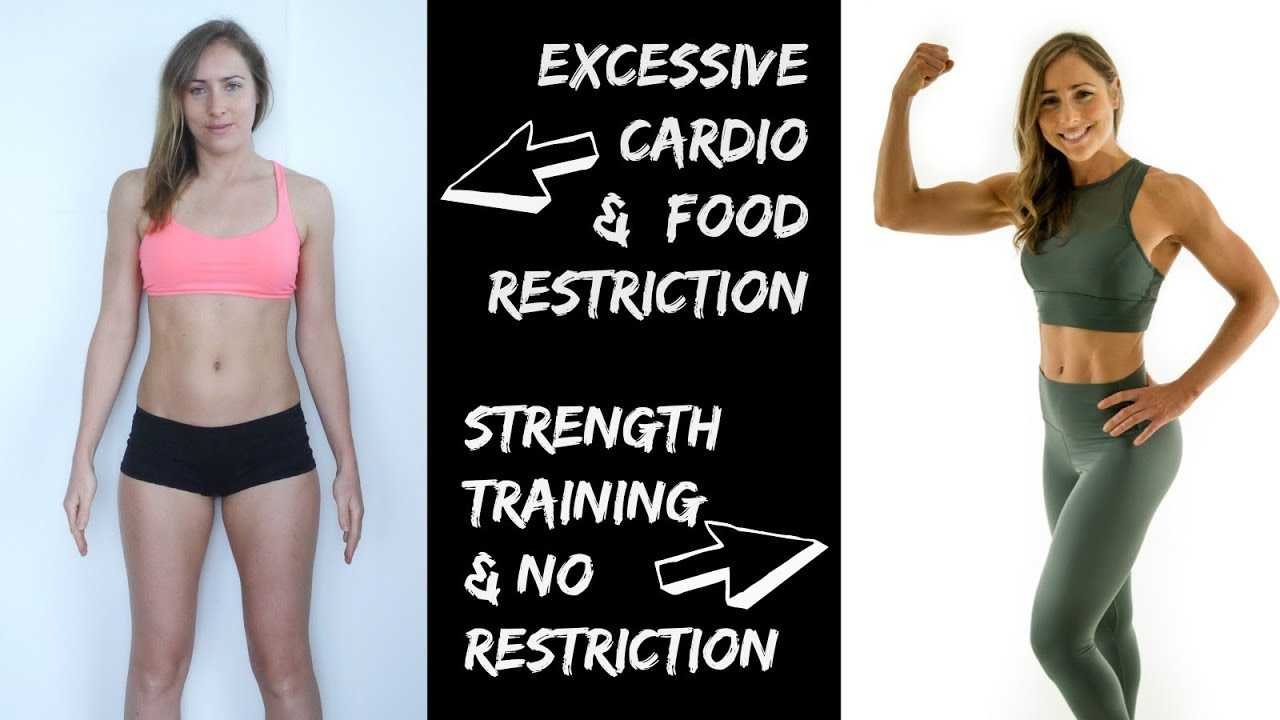
Doing too much cardio can actually backfire on your fitness goals, leading to fatigue, injuries, and even muscle loss. But how do you know when you’ve crossed the line? The quick answer is: it varies by individual, but generally, more than 5-6 sessions of intense cardio per week might be too much for many people. Balance and listening to your body are key. Overdoing cardio can hinder your progress and cause burnout, so understanding your limits is essential for staying healthy and fit.
Pushing yourself with cardio is great for cardiovascular health and calorie burning, but there’s a fine line between effective exercise and overtraining. Finding the right amount depends on your goals, fitness level, and recovery capacity. In this article, we’ll explore how much cardio is too much, signs you’re overdoing it, and tips to optimize your routine without risking your health. So, if you’re wondering whether your cardio habits are helping or harming you, keep reading to unlock the best approach for your fitness journey.

How Much Is Too Much Cardio? Understanding the Balance for Optimal Health
What Is Cardio Exercise?
Cardio exercise, also called aerobic exercise, involves activities that increase your heart rate and breathing. Examples include running, cycling, swimming, and brisk walking. These exercises help improve your cardiovascular health and burn calories.
Benefits of Cardio
Regular cardio offers many advantages, such as boosting endurance, supporting weight management, and reducing stress. It also lowers the risk of heart disease, stroke, and certain health problems. Many people include cardio as a key part of their fitness routine.
Signs You’re Doing Too Much Cardio
While cardio can be very good, doing too much may cause problems. You might feel exhausted all the time, get injured often, or notice your performance drops. Other signs include trouble sleeping, feeling moody, or losing motivation to exercise.
How Much Cardio Is Recommended?
The American Heart Association suggests at least 150 minutes of moderate-intensity cardio each week. Alternatively, you can do 75 minutes of vigorous exercise weekly. Spreading this across the week makes it easier to stay consistent.
Moderate vs. Vigorous Cardio
- Moderate cardio includes activities like walking briskly or cycling at a steady pace. You should be able to talk but not sing.
- Vigorous cardio involves running or fast cycling. You might struggle to speak more than a few words without stopping.
The Risks of Excessive Cardio
Pushing your body to do too much cardio can lead to overtraining, which increases injury risk. Common issues include stress fractures, muscle strains, and joint pain. Overtraining can also weaken your immune system and cause fatigue.
Understanding Overtraining Syndrome
Overtraining syndrome happens when your body doesn’t have enough time to recover. Symptoms include persistent soreness, declining performance, sleep disturbances, and mood changes. It can take weeks or even months to recover fully.
How Much Is Too Much?
There’s no set number for everyone, but generally, exceeding 300 minutes of moderate cardio weekly can be excessive for some. Listening to your body and watching for signs of fatigue is key. Personal factors like age, fitness level, and health conditions influence this limit.
Factors That Influence Cardio Tolerance
| Factor | Impact |
|---|---|
| Age | Younger people usually recover faster and may handle more cardio. |
| Fitness Level | More fit individuals can often do more without negative effects. |
| Health Conditions | People with heart issues or injuries need to be cautious and consult a doctor. |
| Intensity of Exercise | High intensity requires more recovery time than moderate activity. |
Balancing Cardio with Recovery
Proper recovery helps prevent injuries and fatigue. Include rest days in your routine, and vary your workouts to target different muscle groups. Adequate sleep and good nutrition also support recovery.
Sample Weekly Cardio Plan
- Monday: 30-minute moderate walk
- Tuesday: Rest or gentle stretching
- Wednesday: 20-minute high-intensity interval training (HIIT)
- Thursday: Rest or light activity
- Friday: 45-minute cycling
- Saturday: Rest or casual activity
- Sunday: 30-minute swimming session
Listening to Your Body
Pay attention to how you feel during and after exercise. If you notice persistent soreness, fatigue, or mood changes, it’s a sign you need rest. Adjust your routine to match your current fitness level and recovery needs.
Additional Tips to Prevent Overdoing Cardio
- Start slowly and gradually increase intensity and duration.
- Mix different types of cardio to prevent boredom and overuse injuries.
- Stay hydrated and eat balanced meals to support energy levels.
- Set realistic goals to avoid overtraining in pursuit of quick results.
- Consult fitness or health professionals for personalized advice.
Related Topics
How to Incorporate Strength Training
Adding strength exercises helps build muscle and supports your joints, reducing injury risk. Combining cardio with strength training creates a balanced fitness plan.
Importance of Rest Days
Rest days are essential to allow your body to recover and adapt. Don’t skip them, even if you’re eager to exercise more.
Monitoring Progress Safely
Use tools like fitness trackers or journals to track workouts. Monitoring helps you avoid overdoing it and stay motivated.
Understanding Different Cardio Types
Different cardio activities offer unique benefits. For example, swimming is low-impact but excellent for endurance, while running improves bone density.
Summary
Knowing how much cardio is too much depends on individual factors, signals from your body, and your goals. While regular cardio is important, overdoing it can lead to fatigue, injuries, and setbacks. Strive for balance, listen to your body’s needs, and include recovery in your routine for lasting health benefits.
Frequently Asked Questions
What are the signs I am overdoing cardio sessions?
If you experience persistent fatigue, soreness that doesn’t improve, decreased performance, or frequent injuries, these could indicate you are pushing beyond healthy limits. Additionally, feeling emotionally drained or losing enthusiasm for workouts can be signs of excessive cardio. It’s important to listen to your body and allow adequate rest to prevent burnout and injury.
How can I balance cardio with other types of exercise for optimal health?
To maintain a well-rounded fitness routine, include strength training, flexibility exercises, and rest days alongside your cardio workouts. Aim for a mix of activities that target different muscle groups and energy systems. This approach helps improve overall fitness, reduces injury risk, and prevents overtraining caused by excessive cardiovascular exercise alone.
What is a safe weekly limit for cardio workouts?
Most health guidelines recommend at least 150 minutes of moderate-intensity or 75 minutes of high-intensity cardio each week. However, some individuals can handle more based on their fitness levels and goals. Listening to your body and gradually increasing your workout duration and intensity helps determine your personal safe limit without risking overtraining.
Can too much cardio affect my muscle gains?
Excessive cardio can interfere with muscle growth by creating a calorie deficit or causing muscle fatigue. If you focus heavily on cardio without proper nutrition and recovery, your muscles might not receive enough stimuli to grow. Incorporate strength training and ensure adequate protein intake to support muscle development alongside cardio sessions.
How do I prevent overtraining when doing high-volume cardio?
Prevent overtraining by scheduling regular rest days, varying workout intensities, and listening to your body’s signals. Incorporate easier recovery sessions and prioritize sleep and proper nutrition. Monitoring your performance and fatigue levels also helps you adjust your training plan to avoid pushing beyond your limits.
Final Thoughts
how much is too much cardio? Generally, exceeding 300 minutes of moderate-intensity cardio weekly may lead to overtraining and fatigue. Listen to your body and prioritize rest when needed. Balance is key to avoiding burnout and maximizing benefits.
As an Amazon Associate, We earn from qualifying purchases. When you purchase a product through Amazon links on pulsefitguide.com, we may earn a small commission at no extra cost to you. This helps support the site and keep our content free.
