


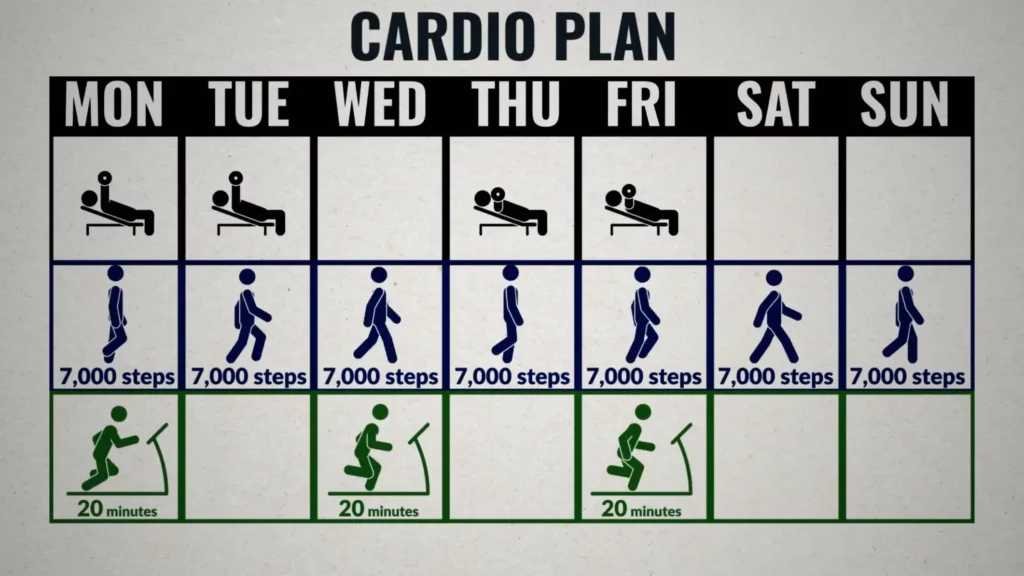
For effective weight loss, aim to do cardio at least 3 to 5 times a week, depending on your fitness level and goals. Consistency is key, and combining moderate-intensity sessions with occasional higher-intensity workouts can accelerate results.
To shed pounds through cardio, the key is finding a routine that fits your lifestyle and keeps you motivated. Generally, doing cardio 3 to 5 times weekly, with sessions lasting around 30 to 60 minutes, can help burn calories and boost metabolism. It’s important to mix things up to prevent plateaus and stay engaged. Whether you prefer brisk walking, running, cycling, or swimming, regular cardio not only supports weight loss but also improves cardiovascular health and boosts your energy levels. Remember, the best plan is one you enjoy and can stick with consistently for long-term success.

How Often to Do Cardio to Lose Weight
Getting the right amount of cardio is key to losing weight effectively. Many people wonder how often they should do cardio workouts to see the best results. The answer depends on your goals, fitness level, and schedule. Let’s explore how often you should do cardio to shed pounds and stay healthy.
Understanding Cardio and Its Role in Weight Loss
Cardio, short for cardiovascular exercise, gets your heart pumping faster. Examples include walking, running, cycling, swimming, and dancing. This type of workout helps burn calories, which is essential for weight loss. The more calories you burn through cardio, the faster you can lose weight.
How Often Should You Do Cardio for Weight Loss?
Most health experts recommend doing cardio workouts at least three to five times per week. This frequency strikes a good balance between burning enough calories and allowing your body to recover. Doing cardio every day can also work if your workouts are moderate and not overly intense.
Beginner Level
If you’re just starting out, aim for three sessions of 20 to 30 minutes each week. Focus on low to moderate intensity activities like brisk walking or light cycling. As your fitness improves, you can gradually increase both the duration and intensity.
Intermediate Level
Once you’ve built some stamina, try doing cardio four to five times a week. Each session should last between 30 and 45 minutes. Mix in moderate and high-intensity workouts for better fat burning.
Advanced Level
For those who exercise regularly and want faster results, doing cardio six times a week can be effective. Incorporate interval training or circuit workouts to challenge your body and boost calorie burn.
How to Create a Weekly Cardio Schedule
Creating a balanced weekly plan helps prevent fatigue and keeps your motivation high. Here is a sample schedule:
| Day | Workout Type | Duration | Intensity |
|---|---|---|---|
| Monday | Brisk Walking | 30 minutes | Moderate |
| Tuesday | Running or Cycling | 40 minutes | High |
| Wednesday | Rest or Light Yoga | Optional | Low |
| Thursday | Swimming | 45 minutes | Moderate |
| Friday | Interval Training | 30 minutes | Varying |
| Saturday | Dancing or Hiking | 60 minutes | Moderate to High |
| Sunday | Rest or Light Activity | Optional | Low |
High-Intensity Interval Training (HIIT) and Its Effectiveness
HIIT involves alternating between short bursts of intense activity and rest. It is very effective for burning calories in less time. Doing HIIT two or three times a week can complement your regular cardio routine and accelerate weight loss.
Benefits of HIIT include:
- Burns more calories in less time
- Boosts metabolism even after workout
- Improves cardiovascular health
Duration and Frequency: How Much Is Enough?
The key is consistency and gradually increasing your activity level. Generally, 150 minutes of moderate-intensity cardio per week aligns with health recommendations. To lose weight faster, you might aim for 300 minutes or more weekly.
Breaking It Down
- 60 minutes of cardio five days a week
- 30-minute sessions, six days a week
- Mix of moderate and high-intensity workouts
Balancing Cardio and Strength Training
While cardio helps burn calories, strength training builds muscle, which boosts your resting metabolic rate. Combining both gives you a better chance at losing weight and maintaining muscle mass. Aim to do strength sessions two to three times weekly alongside your cardio routine.
Listening to Your Body and Preventing Burnout
Pay attention to how your body responds to your cardio routine. Overdoing it can lead to fatigue or injury. Rest days are important for recovery and preventing burnout, especially if doing high-intensity workouts.
Signs You Need Rest
- Persistent soreness or fatigue
- Decreased performance
- Feeling irritable or unmotivated
Additional Tips for Effective Cardio Workouts
- Warm up before starting to prevent injuries
- Stay hydrated throughout your session
- Choose activities you enjoy to stay consistent
- Gradually increase intensity and duration to avoid plateaus
Adjusting Your Routine for Better Results
If weight loss stalls, consider increasing workout intensity or duration. Also, vary your activities to keep your interest high and challenge different muscle groups. Remember, consistency beats occasional intense sessions.
How often you do cardio plays a big role in losing weight. Starting with three to five sessions a week of moderate activity is effective for most people. As fitness improves, increasing frequency and intensity can lead to faster results. Balance cardio with rest and strength training for optimal health and weight management. Regular, consistent effort helps you reach your goals and stay motivated along the way.
Frequently Asked Questions
How many days a week should I do cardio to support weight loss?
For effective weight loss, aim to do cardio exercises at least 3 to 5 days a week. Spreading out your workouts allows your body to burn calories consistently while providing enough rest days for recovery. Consistency is key to seeing progress and maintaining motivation.
What is the ideal duration for each cardio session to lose weight?
Each cardio session should last between 30 to 60 minutes. Shorter sessions may be less effective, while longer durations can increase fatigue. Focus on maintaining a moderate to high intensity during your workout to maximize calorie burn within this timeframe.
Can I combine different types of cardio to enhance my weight loss efforts?
Yes, alternating between different types of cardio, such as running, cycling, swimming, or interval training, can prevent boredom and challenge your body in new ways. Mixing activities helps improve overall fitness and burns calories more efficiently, supporting your weight loss goals.
How does the intensity of cardio affect how often I should do it for weight loss?
Higher intensity workouts allow you to burn more calories in a shorter amount of time and may reduce the frequency needed. However, if you prefer moderate or lower intensity, you might need to perform cardio more frequently. Listen to your body and gradually increase intensity to avoid overtraining.
Should I do cardio on rest days or only on workout days?
Incorporating light cardio, such as walking or gentle cycling, on rest days can aid recovery and boost daily calorie expenditure. However, avoid intense cardio on rest days to allow your body to recover fully. Balance your schedule to prevent overtraining and promote consistent progress.
Final Thoughts
To effectively lose weight, consistency is key. Engaging in cardio activities at least 3 to 5 times a week helps burn calories and boost metabolism. The frequency depends on your fitness level and goals, but regular sessions yield better results.
Remember, how often to do cardio to lose weight should be paired with a balanced diet and strength training. Staying active regularly keeps weight loss steady and sustainable.
As an Amazon Associate, We earn from qualifying purchases. When you purchase a product through Amazon links on pulsefitguide.com, we may earn a small commission at no extra cost to you. This helps support the site and keep our content free.
