


To boost your cardio, start by incorporating consistent aerobic exercises like brisk walking, cycling, or running into your routine, gradually increasing intensity and duration over time. Mix different activities to keep things interesting, and don’t forget to listen to your body to avoid injury. With dedication and patience, you’ll notice improvements in your stamina and overall health.
Building up your cardio fitness might seem challenging at first, but with the right approach, it can become an enjoyable part of your lifestyle. The key is to start small and progress steadily, making exercise a regular habit that fits into your daily schedule. By staying motivated and consistent, you’ll see your endurance grow, helping you feel more energetic and healthier overall. Whether you’re a beginner or looking to level up your fitness, this guide will show you practical ways to enhance your cardiovascular capacity step by step.

How to Build Up Cardio: A Step-by-Step Guide to Improving Your Endurance
Understanding the Importance of Cardio Fitness
Cardio, or cardiovascular exercise, helps your heart and lungs work better. It makes you more energetic and can help with weight management. Building up cardio gradually is essential for avoiding injuries and feeling good during workouts.
Starting at the Right Level
Before you begin, assess your current fitness. If you are new to exercise, start with low-intensity activities like walking or gentle cycling. Intermediate and advanced exercisers can incorporate running, swimming, or high-impact workouts.
Setting Realistic Goals
Establish clear, achievable goals such as walking for 10 minutes daily or running a mile without stopping. Goals keep you motivated and help track your progress. Remember, patience is key when building up stamina.
Creating a Weekly Cardio Schedule
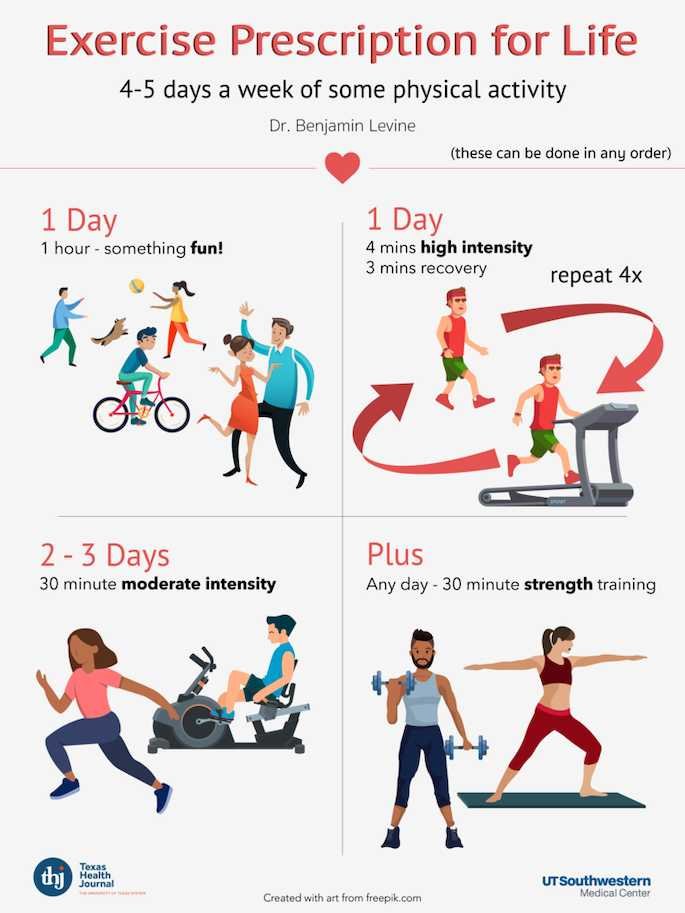
Design a plan that includes 3 to 5 days of cardio activities. Vary your workouts to keep them interesting and prevent boredom. Include rest days to allow your body to recover and adapt.
Gradually Increasing Intensity and Duration
Start with short sessions of 10 to 15 minutes, and gradually add 5-minute increments each week. Increase your pace or resistance slowly to challenge your body without overdoing it. A good rule is to increase total workout time by no more than 10% weekly.
Incorporating Interval Training
Interval training involves alternating periods of higher effort with lower effort. For example, sprint for 30 seconds then walk for 1 minute. This method boosts cardiovascular capacity faster and keeps workouts engaging.
Sample Interval Cardio Workout
- Warm-up: 5 minutes slow jogging or walking
- High-effort: 30 seconds sprint or fast pedaling
- Recovery: 1-minute slow jog or walk
- Repeat: 6 to 8 times
- Cool down: 5 minutes slow walking
Choosing the Right Cardio Activities
Pick activities you enjoy to stay motivated. Popular options include walking, jogging, cycling, swimming, dancing, and jumping rope. Cross-training helps prevent injury and avoids workout boredom.
Proper Technique and Equipment
Use correct form to prevent injuries. For example, keep your back straight while walking or running and land softly on your feet. Invest in comfortable shoes suited for your chosen activity.
Monitoring Your Progress
Track your workouts using a journal, app, or pedometer. Note duration, distance, and how you feel during each session. Regular monitoring helps you see improvements and adjust your plan as needed.
Listening to Your Body
Pay attention to signs of fatigue or pain. Rest if you experience dizziness, chest pain, or persistent discomfort. Building cardio is about consistency, not pushing too hard too fast.
Staying Motivated Throughout the Journey
Set small milestones, celebrate progress, and vary your activities to stay interested. Invite friends to workout together or listen to your favorite music for extra motivation.
Nutrition and Hydration Tips for Cardio Building
Eat a balanced diet rich in fruits, vegetables, lean proteins, and whole grains to fuel your workouts. Stay well-hydrated, especially during longer sessions or hot weather. Proper nutrition supports recovery and enhances performance.
Safety Tips for Cardio Workouts
Always warm up before starting and cool down afterward. Avoid exercising in extreme heat or cold. If you have medical conditions, consult a doctor before starting a new fitness plan.
Benefits of Building Up Cardio Over Time
Gradually increasing your cardio improves heart health, boosts stamina, and enhances overall well-being. It also makes everyday activities easier and reduces your risk of chronic diseases.
Common Mistakes and How to Avoid Them
Avoid skipping warm-ups and cool-downs. Don’t increase intensity too quickly, as this can cause injury. Listen to your body instead of pushing through pain.
Adapting Your Cardio Routine for Longevity
As your fitness improves, challenge yourself with longer sessions or new activities. Mix low and high-intensity workouts for balanced progress. Keep your routine fresh and aligned with your interests.
Additional Tips for Success
Stay consistent, set mini-goals, and be patient with your progress. Remember, building cardio is a journey that takes time but pays off in better health and more energy. Celebrate each step forward, and enjoy the process.
Frequently Asked Questions
What are some effective ways to gradually increase my cardio endurance?
Start by incorporating low-intensity activities like walking or gentle cycling for 15-20 minutes, three times a week. Gradually increase the duration by 5-minute increments each week. Once comfortable, add moderate-intensity workouts such as brisk walking or light jogging. Consistently challenge yourself without overexerting, and consider including interval training to boost endurance over time. Regularly tracking your progress helps maintain motivation and ensures steady improvement.
How can I prevent injury while building my cardio fitness?
Warm up thoroughly before each workout by doing dynamic stretches or light activity to prepare your muscles. Wear proper shoes that provide good support and fit well. Avoid sudden increases in workout intensity or duration; instead, gradually build up to higher levels. Pay attention to your body’s signals; rest when needed and don’t push through pain. Incorporate flexibility exercises and strength training to support your cardiovascular activities and reduce injury risk.
What type of cardio exercises should I focus on for beginners?
Beginners should focus on activities that elevate the heart rate without causing excessive fatigue. Walking, cycling, swimming, or using a rowing machine are excellent options. Keep sessions short initially, around 10-20 minutes, and maintain a comfortable pace. As your fitness improves, gradually increase the duration and intensity. Choosing enjoyable activities helps you stay motivated and consistent in your workouts.
Final Thoughts
Building up cardio involves gradual increases in intensity and duration. Start with consistent low-intensity workouts to develop a base. Incorporate activities like brisk walking or cycling three times a week. Over time, add intervals or increase your stamina to challenge yourself.
Consistency is key to progress. Track your workouts and set achievable goals. As your endurance improves, push yourself slightly more each week. Patience ensures steady, lasting results.
In conclusion, how to build up cardio by maintaining a steady routine, gradually increasing effort, and staying committed. This approach helps you build endurance safely and effectively over time.
As an Amazon Associate, We earn from qualifying purchases. When you purchase a product through Amazon links on pulsefitguide.com, we may earn a small commission at no extra cost to you. This helps support the site and keep our content free.
