


Ready to boost your stamina and feel more energized throughout the day? Building your cardio isn’t just about running laps; it’s about creating a sustainable routine that gradually improves your heart health and endurance. The key is consistency, combining easy-to-follow workouts with some lifestyle tweaks. Start small, stay motivated, and watch your fitness level soar!
To build your cardio, incorporate regular aerobic exercises like brisk walking, cycling, or swimming into your routine, gradually increasing intensity and duration. Mix in interval training for better efficiency, and don’t forget to stay consistent and patient. Over time, your stamina will improve, making everyday activities feel easier and more enjoyable.
Increasing your cardiovascular fitness is a fantastic goal that can enhance your overall well-being. Whether you’re a beginner or looking to elevate your current routine, the journey starts with small, manageable steps. The good news? You’ll see progress faster than you think by sticking to a consistent plan and making enjoyable activities part of your lifestyle. Keep moving, stay dedicated, and enjoy the benefits of a stronger heart and lungs!

How to Build Up Your Cardio: A Complete Guide to Improving Your Endurance
Understanding Cardio Fitness and Its Benefits
Building up your cardio means increasing your ability to perform aerobic activities without getting overly tired. Cardiovascular fitness helps your heart, lungs, and blood vessels work better together. When you improve your cardio, you’ll notice benefits like feeling more energetic, losing weight more easily, and reducing the risk of heart disease.
Focusing on cardio also boosts your overall stamina, making daily tasks easier. It can improve your mood and help you sleep better. Knowing these advantages motivates many people to work on their cardio regularly.
Assessing Your Current Fitness Level
Before starting your journey to better cardio, it’s important to understand where you stand. You can do simple tests like measuring how long you can jog, walk, or cycle without stopping.
Track how your body feels during these activities, noting your breathing, heart rate, and overall comfort. This helps you create realistic goals and choose suitable exercises. Remember, everyone’s fitness level is different, so it’s best to start slow and gradually increase your effort.
Setting Realistic Goals for Your Cardio Routine
Setting achievable targets keeps you motivated and focused. Decide what you want to reach, like walking 30 minutes three times a week or running a mile without stopping.
Break big goals into smaller steps, such as increasing your pace or distance weekly. Write your goals down and track your progress to stay committed. Be patient; building endurance takes time, but consistent effort will pay off.
Choosing the Right Cardio Activities
Pick exercises you enjoy because you’re more likely to stick with them. Common cardio options include walking, jogging, cycling, swimming, and dancing.
Consider your fitness level and any health issues when choosing activities. Mixing different exercises can prevent boredom and work different muscle groups for a balanced workout. Always select activities that get your heart pumping but are safe and sustainable.
Creating a Progressive Training Plan
Start with manageable sessions, like 10 to 15 minutes of activity. Gradually increase the duration by a few minutes each week.
Once comfortable, add intensity by walking faster, jogging, or cycling uphill. Using a training plan helps prevent injury and ensures steady progress. Incorporate rest days to allow your body time to recover and avoid burnout.
Importance of Warming Up and Cooling Down
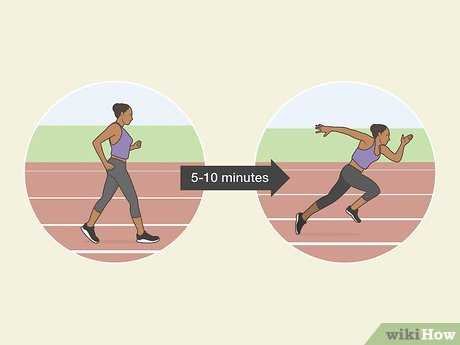
Always start with a gentle warm-up to prepare your muscles and heart for exercise. Light activities like walking or stretching work well for warming up.
Cooling down is just as important to bring your heart rate back to normal gradually. Spend 5 to 10 minutes walking slowly or stretching after your workout. These steps help prevent injuries and reduce muscle soreness.
Monitoring Your Heart Rate
Tracking your heart rate helps you stay within a safe and effective intensity zone. You can use a heart rate monitor or manually check your pulse.
Aim for your target heart rate range, usually 50 to 85 percent of your maximum heart rate. For beginners, staying at the lower end ensures safety and comfort as you build endurance. Knowing your heart rate guides you to exercise at the right intensity.
Incorporating Interval Training for Better Results
Interval training involves alternating between high-intensity bursts and recovery periods. For example, sprint for 30 seconds, then walk for one minute.
This type of training is efficient and boosts cardiovascular health faster than steady-state exercises. Start with short intervals and gradually increase the time and intensity. Always listen to your body to avoid over-exertion.
Cross-Training to Avoid Plateaus
Mixing different cardio activities prevents boredom and targets various muscle groups. It also reduces the risk of injury from overusing specific muscles.
For example, alternate days of running, cycling, swimming, or dancing. Cross-training keeps your routine fresh and helps you progress more effectively.
Listening to Your Body and Avoiding Overtraining
Pay attention to signs of fatigue, pain, or discomfort during workouts. Rest is crucial, especially if you’re feeling overly sore or tired.
Avoid pushing through pain, as it can lead to injuries. Balance your workouts with proper rest and nutrition. Rest days allow your body to repair and become stronger.
Nutrition and Hydration Tips for Cardio Improvement
Eat a balanced diet rich in whole grains, lean proteins, healthy fats, and fruits and vegetables. Proper nutrition fuels your workouts and aids recovery.
Stay well-hydrated before, during, and after exercise. Water helps regulate body temperature and prevents dehydration, which can impair performance. Consider electrolyte drinks for longer sessions to replace lost salts.
Tracking Progress and Staying Motivated
Use a workout journal or mobile app to record your activities, distances, and feelings. Regularly review your progress to see how far you’ve come.
Celebrate small victories to keep motivation high, like adding five more minutes or running a little faster. Joining a workout group or finding a workout buddy can make your journey more enjoyable and accountable.
Overcoming Common Challenges in Building Cardio
Many people face obstacles like lack of time, motivation dips, or boredom. Break your routines into smaller, manageable sessions if time is limited.
Set specific, inspiring goals to stay motivated. If you feel bored, try new activities or change your workout environment. Remember, consistency is key, and setbacks are normal—keep moving forward.
Adjusting Your Routine as You Improve
As your endurance increases, gradually raise the intensity or duration of your workouts. This prevents plateaus and keeps your muscles challenged.
Update your goals and training plan periodically to match your progress. Listening to your body ensures you avoid overtraining while still pushing your limits safely.
Related Topics to Explore
- Benefits of strength training alongside cardio
- How to prevent injuries during cardio workouts
- The role of proper footwear and equipment
- Best recovery practices after intense cardio sessions
- Importance of consistency and patience in fitness
Building up your cardio takes time and patience, but with the right approach, you will notice improvements in your energy, strength, and overall health. Keep track of your progress, stay motivated, and enjoy the journey toward better cardiovascular fitness.
Frequently Asked Questions
What is an effective way to start improving your cardiovascular endurance?
Begin with low-intensity activities like brisk walking or cycling for 20 to 30 minutes, three to four times a week. As you build stamina, gradually increase the duration and intensity of your workouts. Incorporate interval training, alternating between moderate and high effort, to boost your endurance efficiently. Consistency is key, so stick to your schedule and listen to your body to prevent overexertion.
How can I incorporate variety into my cardio routine to stay motivated?
Mix different activities such as running, swimming, rowing, or dancing to keep your workouts engaging. Changing your routine prevents boredom and challenges your body in new ways, promoting better overall fitness. You can also vary the intensity and duration of your sessions, which helps improve different aspects of your cardio health and keeps you motivated to stay active.
What are some common mistakes to avoid when trying to build cardio fitness?
Avoid overtraining, as too much intensity or frequency can lead to fatigue or injury. Don’t skip warm-up and cool-down periods, which help prevent strains and muscle soreness. Also, ignore your body’s signals; pushing too hard without proper rest hampers progress. Ensuring proper hydration and nutrition supports your training efforts and helps you recover better.
Final Thoughts
Construire votre cardio demande de la constance et une progression adaptée à votre niveau. Commencez par des séances courtes et augmentez progressivement la durée et l’intensité. Incorporer différents types d’exercices garde la motivation et sollicite diverses muscles.
Il est essentiel de varier les activités pour éviter la monotonie et améliorer votre endurance globale. Incluez des séances de marche, de course, de vélo ou de natation pour un entraînement complet.
En résumé, pour construire votre cardio, il faut progresser étape par étape. En suivant ces conseils, vous apprendrez comment construire votre cardio efficacement tout en restant motivé.
As an Amazon Associate, We earn from qualifying purchases. When you purchase a product through Amazon links on pulsefitguide.com, we may earn a small commission at no extra cost to you. This helps support the site and keep our content free.
