


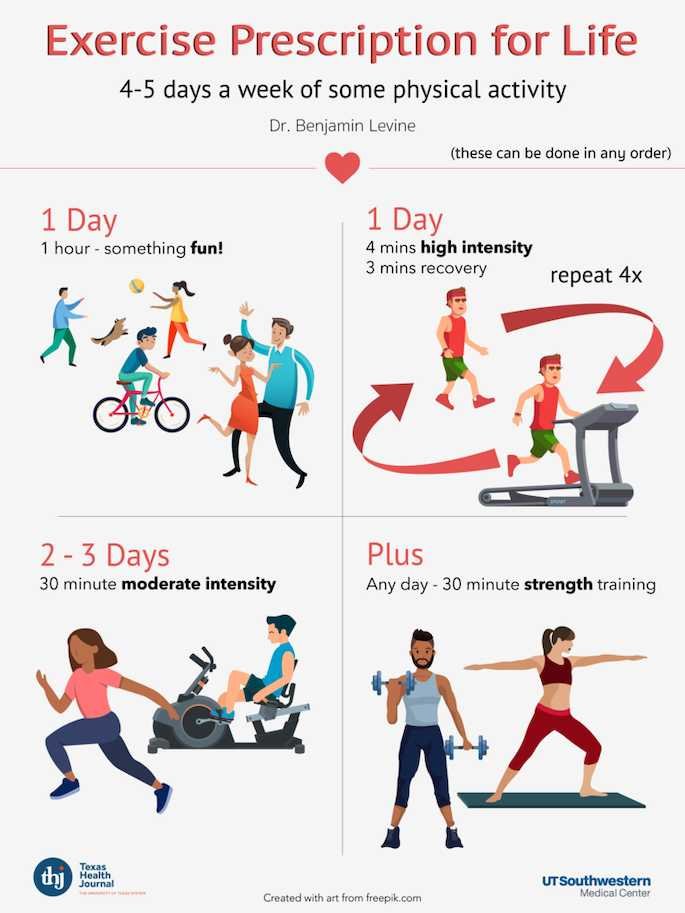
To boost your cardio fitness quickly, focus on consistent aerobic exercise like running, cycling, or swimming, gradually increasing intensity and duration. Incorporate interval training and maintain a healthy diet to see faster improvements. Staying motivated and setting achievable goals are key to making cardio gains.
To increase your cardio fitness, you need to challenge your heart and lungs regularly through sustained aerobic activities. Gradually enhancing the intensity and duration of your workouts, along with incorporating interval training, helps strengthen your cardiovascular system efficiently. Consistency, proper nutrition, and adequate rest are essential to avoid burnout and injury while progressing. By following a balanced plan and staying committed, you’ll notice your stamina and overall endurance improve over time, making everyday activities easier and more enjoyable.
Building cardio fitness might seem daunting at first, but it’s all about steady progress and persistence. Starting with enjoyable activities like brisk walking or cycling can set the foundation, and as your body adapts, you can push yourself a little further. Remember, the goal isn’t just to sweat but to make your heart healthier and your lungs more efficient. Whether you’re aiming to run a 5K or just want to be more active, consistent effort combined with smart training choices will help you reach your fitness goals faster. Keep motivated, stay consistent, and watch your endurance grow!

How to Increase Cardio Fitness
Understanding Cardio Fitness and Its Benefits
Cardio fitness, also known as cardiovascular endurance, measures how well your heart, lungs, and blood vessels work together to supply oxygen during physical activity. Improving this fitness makes everyday activities easier and reduces health risks. When you boost your cardio fitness, you enhance your energy levels and overall well-being.
Why Improving Cardio Fitness Matters
Better cardio health helps lower blood pressure and cholesterol levels. It also reduces the risk of heart disease, stroke, and diabetes. Plus, increasing your endurance can boost your mood and help you manage weight more effectively.
How Cardio Fitness Is Measured
The most common way to measure cardio fitness is through a VO2 max test, which determines your body’s ability to use oxygen during exercise. You can also get a rough idea of your endurance by how long you can run, bike, or swim without getting too tired.
Starting With Basic Cardio Activities
Begin with simple exercises like brisk walking, jogging, cycling, or swimming. These activities can be easily adjusted to match your current fitness level. Starting slow helps prevent injury and builds confidence.
Progressive Overload: The Key to Improving Cardio Fitness
Your body adapts to the demands you place on it. To improve, gradually increase the intensity, duration, or frequency of your workouts. This process, called progressive overload, challenges your heart and lungs to get stronger over time.
How to Apply Progressive Overload
- Increase exercise duration by five-minute intervals every week.
- Raise workout intensity with faster paces or hill terrains.
- Work out more frequently, aiming for at least three to four sessions weekly.
Interval Training for Faster Results
Interval training alternates high-intensity efforts with rest or low-intensity periods. It boosts your cardio capacity faster than steady workouts. For example, sprint for 30 seconds, then walk for a minute, and repeat.
Sample Interval Workout
- Warm-up for five minutes.
- Do 30 seconds of sprinting or fast cycling.
- Follow with one minute of walking or slow pedaling.
- Repeat this cycle five to eight times.
- Finish with a cool-down for five minutes.
Incorporating Cross-Training
Mix different cardio activities such as running, cycling, rowing, and swimming. Cross-training reduces boredom and minimizes overuse injuries. It also works different muscle groups, making your fitness journey more balanced.
Setting Realistic Goals
Set achievable goals like walking for 20 minutes three times weekly or cycling twice a week for 30 minutes. Clear goals keep you motivated and allow you to track your progress.
Tracking Your Progress
Use a fitness journal or apps to record workout duration, intensity, and how you felt. Monitoring progress helps identify what works best and keeps you motivated to push further.
Proper Nutrition to Support Cardio Training
Eating a balanced diet rich in whole foods fuels your workouts and aids recovery. Focus on complex carbohydrates, lean proteins, healthy fats, and plenty of fruits and vegetables. Staying hydrated is equally important.
Ensuring Adequate Rest and Recovery
Your body needs time to recover after strenuous workouts. Rest days prevent injury and allow your muscles to repair. Incorporate gentle stretching or light activity during recovery days.
Importance of Consistency
Regular exercise is essential for improving and maintaining cardio fitness. Aim for at least three to five sessions weekly for steady progress and lasting results.
Additional Tips to Boost Cardio Fitness
- Try exercising outdoors for fresh air and added motivation.
- Listen to music or podcasts to stay engaged during workouts.
- Set mini-challenges to keep your routine exciting.
- Stay patient; improvements take time and persistence.
Addressing Common Challenges
Lack of motivation can be tackled by finding a workout buddy or joining a class. If you experience pain or discomfort, consult a healthcare professional. Remember, progress is a journey, and setbacks are normal.
Creating a Personalized Cardio Plan
Assess your current fitness level and set specific goals. Develop a schedule that includes variety, progressive challenges, and rest. Adjust your plan based on your progress and how you feel.
Safety Tips When Increasing Cardio Fitness
Always warm up before exercise and cool down afterward. Pay attention to your body’s signals and avoid overexertion. Wear appropriate gear and stay hydrated to prevent injuries.
Building cardio fitness takes time, patience, and consistency. Incorporate a mix of activities, gradually increase the challenge, and listen to your body. With dedication, you’ll notice improvements in stamina, mood, and overall health, making every day easier and more enjoyable.
How to train your cardiovascular fitness | Peter Attia
Frequently Asked Questions
What types of workouts are most effective for improving cardio endurance?
Engaging in activities such as running, cycling, swimming, and brisk walking consistently helps improve cardiovascular endurance. Incorporate a mix of steady-state exercises with moderate intensity and high-intensity interval training (HIIT) to challenge your heart and lungs. Consistency is key; aim for at least 3 to 5 sessions per week, gradually increasing duration and intensity over time to see steady gains.
How can I structure my weekly exercise routine to boost my aerobic capacity?
Create a balanced weekly plan that includes different forms of cardio exercises. Alternating between moderate-intensity workouts and higher-intensity sessions allows your body to adapt and improve. Include rest or low-intensity days to recover and prevent burnout. For example, schedule three days of moderate workouts lasting 30-45 minutes, two days of shorter, more intense sessions, and rest or active recovery on other days.
What lifestyle habits support the enhancement of cardiovascular fitness?
Maintaining a healthy diet, staying well-hydrated, and ensuring adequate sleep significantly contribute to cardiovascular health. Reducing stress levels through relaxation techniques and avoiding smoking also support your efforts. Consistently staying active outside of structured workouts, like walking or cycling during daily routines, helps maintain and improve overall cardio capacity.
How can I measure my progress in increasing cardio fitness?
Track improvements by monitoring your exercise duration, intensity, and recovery times. Using tools like a heart rate monitor helps you stay within target zones, and noting reductions in recovery heart rate indicates better fitness. Additionally, performing periodic fitness tests, such as timed runs or cycling sessions, provides tangible benchmarks of your progress over time.
What precautions should I take when starting to improve my cardio fitness?
Begin gradually, especially if you are new to exercise, to prevent injury and overexertion. Always warm up before workouts and cool down afterward. Pay attention to your body signals and avoid pushing through pain. If you have existing health conditions, consult a healthcare professional before starting a new exercise routine to ensure safety and appropriateness.
Final Thoughts
Pour augmenter la forme cardio, incorporez régulièrement des activités comme la course, le vélo ou la natation. Augmenter progressivement l’intensité et la durée de vos séances renforcera votre endurance. Incluez aussi des intervalles pour stimuler votre cœur davantage.
Adoptez une routine cohérente et fixez des objectifs précis pour suivre vos progrès. Une alimentation équilibrée et une bonne hydratation soutiennent aussi vos efforts.
En résumé, pour augmenter cardio fitness, persévérez avec des entraînements variés et intenses, tout en restant régulier. La clé réside dans la constance et l’intensité de vos efforts.
As an Amazon Associate, We earn from qualifying purchases. When you purchase a product through Amazon links on pulsefitguide.com, we may earn a small commission at no extra cost to you. This helps support the site and keep our content free.
