


To quickly gauge your cardio fitness, try a simple step test or a timed run, which can give you immediate insight into your endurance levels. Cardiovascular fitness is best measured through practical assessments like the VO2 max test or a timed running test, but even simple at-home methods can give you a good idea of where you stand.
Measuring your cardio fitness might seem complicated, but it’s actually quite accessible. Whether you’re a seasoned athlete or just looking to improve your health, understanding your cardiovascular health helps you set clear goals and track progress. The key is to use straightforward tests—like a timed mile or step test—that don’t require specialized equipment. These assessments reveal how well your heart and lungs work together during physical activity, giving you essential information to tailor your fitness journey. In this article, we’ll explore practical ways to measure your cardio fitness and what they tell you about your overall health.

How to Measure Cardio Fitness
Understanding how to measure cardio fitness helps you track your health progress and set realistic goals. Cardio fitness shows how well your heart, lungs, and blood vessels work together during exercise. Measuring it accurately gives you a clear picture of your overall health and endurance.
What Is Cardio Fitness?
Cardio fitness, also known as cardiovascular endurance, refers to your body’s ability to supply oxygen to muscles during sustained physical activity. It depends on your heart’s efficiency, lung capacity, and blood circulation. People with high cardio fitness can exercise longer and recover faster.
Why Is Measuring Cardio Fitness Important?
Knowing your cardio fitness level helps identify your current health status. It can also highlight areas needing improvement and guide your exercise routine. Regular measurement helps you stay motivated and track progress over time.
Common Methods to Measure Cardio Fitness
There are several ways to assess your cardio fitness, ranging from simple tests to advanced equipment. Each method varies in complexity and accuracy. Below, we explore the most popular and accessible options.
1. VO2 Max Test
The VO2 max test measures the maximum amount of oxygen your body can use during intense activity. It’s considered the gold standard for cardio fitness testing. Typically performed in labs, this test involves running or cycling while wearing a mask connected to specialized equipment.
How the VO2 Max Test Works
Participants exercise on a treadmill or stationary bike with gradually increasing intensity. The equipment measures how much oxygen is consumed and carbon dioxide produced. The higher your VO2 max, the better your cardio health.
Interpreting VO2 Max Results
Results are usually expressed in milliliters of oxygen per kilogram of body weight per minute (ml/kg/min). Higher values indicate better fitness levels. For example, a VO2 max of 45 ml/kg/min is excellent for most adults.
Pros and Cons
- Pros: Highly accurate, detailed data, useful for athletes
- Cons: Expensive, requires specialized equipment, performed in labs
2. Cooper Test
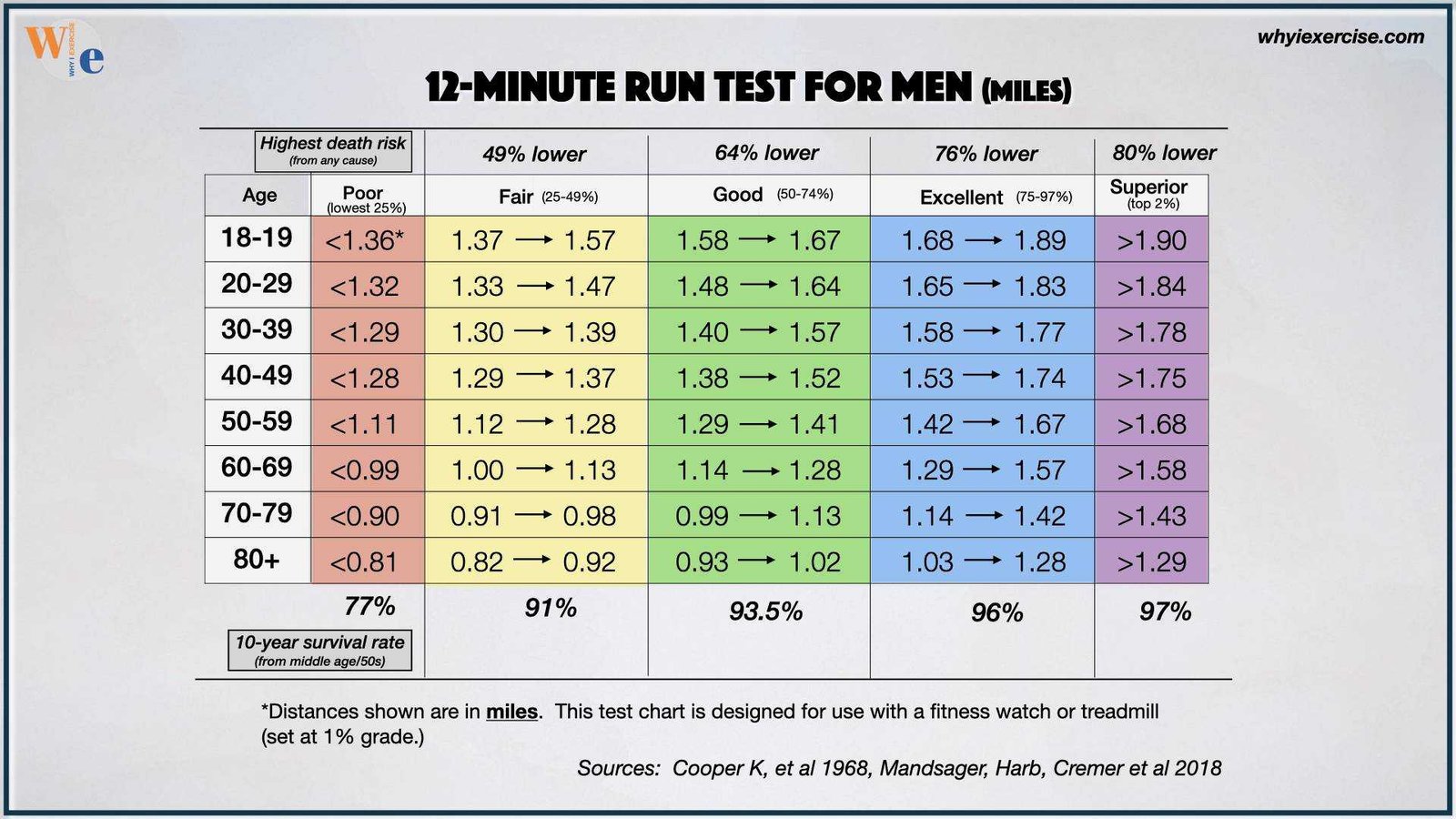
The Cooper Test is a simple field test that estimates cardio fitness based on running distance in 12 minutes. It’s easy to perform and requires only a stopwatch and a flat track or open space.
Performing the Cooper Test
Warm up properly, then run as far as possible in exactly 12 minutes. Record the total distance covered. This test is suitable for all fitness levels and can be done outdoors or on a treadmill.
Calculating Your Fitness Level
Compare your distance to standardized charts. For example:
– Less than 1.5 miles: Below average
– 1.5 to 1.9 miles: Average
– 2.0 miles or more: Good to excellent
Advantages and Limitations
- Advantages: Easy, quick, no special equipment needed
- Limitations: Less precise than lab tests, influenced by terrain and weather
3. Step Test
The step test measures your heart rate response after stepping at a consistent pace for a set time. It’s practical and can be performed at home or in gyms.
How to Do the Step Test
Select a height for your step (usually 12 inches). Step up and down at a steady pace for 3 minutes. Immediately after, sit quietly and measure your pulse for 1 minute.
Interpreting Results
A lower resting pulse after the test indicates better cardio fitness. You can compare your pulse rate to standard tables to assess your level.
Benefits and Drawbacks
- Benefits: Easy, inexpensive, no equipment needed
- Drawbacks: Less detailed data, affected by individual health factors
4. Heart Rate-Based Tests
These tests focus on your heart rate during exercise and recovery. They’re convenient and can be done with a heart rate monitor or smartwatch.
Target Heart Rate Zones
To estimate fitness, determine your maximum heart rate (220 minus your age). Exercise within 50% to 85% of this number to gauge your endurance.
Monitoring Heart Rate Recovery
After exercise, measure how quickly your heart rate returns to normal. Faster recovery indicates higher cardio fitness.
Advantages and Disadvantages
- Advantages: Easy, continuous monitoring, useful for regular assessment
- Disadvantages: Requires accurate devices, individual variability in heart rate
Additional Factors to Consider When Measuring Cardio Fitness
While these tests provide valuable insights, consider other factors such as:
- Age and gender, which influence results
- Current health status and medical conditions
- Previous fitness experience and training levels
Tips to Improve Your Cardio Fitness
Understanding your fitness level motivates you to improve. Incorporate consistent aerobic activities like brisk walking, cycling, swimming, or running. Aim for at least 150 minutes of moderate activity or 75 minutes of vigorous activity weekly.
Using Technology to Track Your Cardio Fitness
Wearable devices like fitness trackers and smartwatches can streamline your assessment. They monitor heart rate, activity levels, and recovery time automatically. Some apps also estimate VO2 max based on your exercise data.
Benefits of Using Wearables
- Provides real-time feedback
- Helps set personalized goals
- Tracks progress over time
Measuring your cardio fitness accurately helps you understand your health and guides your exercise choices. Whether through simple field tests or advanced lab assessments, knowing your fitness level offers motivation and insight. Regular testing and tracking empower you to maintain or improve your endurance in a safe and effective way.
VO2 and Oxygen Consumption Explained for Beginners | Corporis
Frequently Asked Questions
What is a practical method to assess your cardiovascular endurance at home?
You can evaluate your cardiovascular endurance by performing a simple step test or running in place for a set amount of time, such as three minutes. After completing the activity, measure your recovery heart rate by checking how quickly your pulse returns to normal within a minute. A lower recovery heart rate indicates better cardio fitness. You can also use wearable devices or fitness apps to track your heart rate during moderate activity and analyze the data over time.
How can a VO2 max test provide insight into my cardio fitness?
The VO2 max test measures the maximum amount of oxygen your body uses during intense exercise. Usually conducted in a laboratory or sports clinic using specialized equipment, it involves running or cycling at increasing intensities while monitoring oxygen intake and carbon dioxide output. This measurement offers a precise assessment of your cardiovascular capacity and aerobic endurance, helping you understand your fitness level and set targeted training goals.
Are there any specific signs during exercise that indicate good cardiovascular health?
Yes, during exercise, if you notice you can sustain moderate to high intensity activities without excessive breathlessness or fatigue, it reflects strong cardiovascular health. Additionally, having a steady heart rate that responds appropriately to activity and recovers quickly afterward signals good fitness. Conversely, experiencing persistent shortness of breath, irregular heartbeats, or feeling overly exhausted quickly may indicate the need for further assessment.
Can wearable fitness trackers accurately estimate cardio fitness levels?
Many modern fitness trackers can estimate your cardio fitness by analyzing data like heart rate variability, resting heart rate, and exercise intensity over time. While they provide useful insights and track progress, their accuracy can vary depending on the device and how properly you wear it. For a precise evaluation, combining tracker data with structured fitness tests or professional assessments proves most effective.
What role does exercise testing play in monitoring improvements in cardiovascular health?
Regular exercise testing allows you to objectively track changes in your fitness over time. By performing standardized tests such as timed runs, cycling workouts, or heart rate recovery assessments, you can observe improvements in endurance and recovery. These results help you adjust your training plan, motivate ongoing effort, and provide tangible evidence of your cardiovascular progress.
Final Thoughts
Measuring cardio fitness helps track progress and set realistic goals. The most common method involves a simple cardio test, such as a timed running or cycling session. Another effective way is monitoring heart rate during exercise to gauge intensity and recovery.
Using tools like VO2 max tests provides detailed insights into aerobic capacity. Combining these methods offers a comprehensive picture of your cardio health.
How to measure cardio fitness is essential for maintaining motivation and adjusting workout routines efficiently. Regular assessment ensures consistent progress and better overall fitness.
As an Amazon Associate, We earn from qualifying purchases. When you purchase a product through Amazon links on pulsefitguide.com, we may earn a small commission at no extra cost to you. This helps support the site and keep our content free.
