


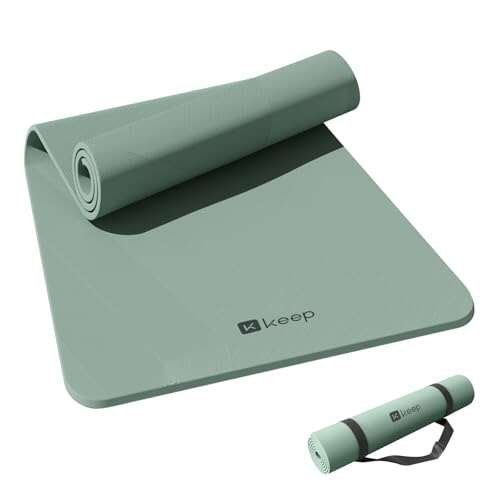
I understand that picking the ideal yoga mat can seem a bit daunting. With so many different types of yoga mats available, it’s easy to feel unsure. Don’t worry; I’m here to clearly break down your options. Through countless hours on the mat myself, from rigorous Vinyasa flows to calming restorative sessions, I’ve put a variety of yoga mats through their paces. You’ll learn what truly matters in a mat and discover which options stand out from the rest based on my direct testing experience.
1. KEEP Non-Slip Large Yoga Mat, Extra Long and Wide TPE 7mm
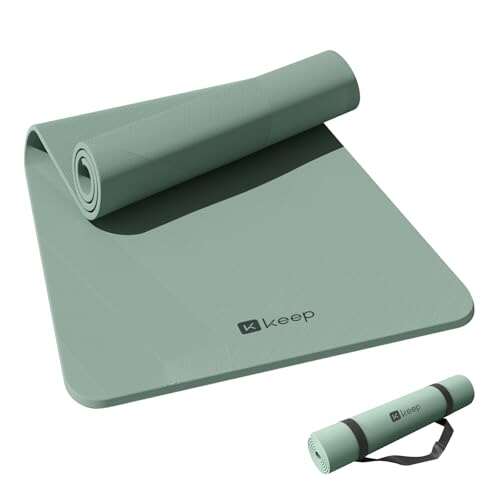
When I first unrolled this mat, the sheer size immediately impressed me; it truly lives up to its “extra long and wide” claim, giving me an expansive landscape for my practice. The 7mm thickness felt substantial, providing a plush barrier against my hardwood floors, and I could tell right away this mat was engineered for serious comfort and stability. I was particularly interested in how the TPE material would perform, knowing its reputation for being both eco-conscious and high-performing. This mat struck me as a robust contender for those seeking ample space and superior cushioning.
Quick Specs:
– Material: TPE
– Thickness: 7mm (0.28 inches)
– Dimensions: 32-inch Extra Wide
– Weight: 2.86 Pounds
– Non-Slip: Double-sided, fingerprint-like texture on top, anti-slip pattern on bottom
– Eco-friendly: Free from plasticizers and formamide
Pros:
– Exceptional cushioning provided superior joint protection during extended sessions.
– The extra wide dimensions offered unparalleled freedom of movement, especially for wider stances.
– Its double-sided non-slip design delivered consistent grip on both dry and slightly damp surfaces.
– Remarkable lightweight construction for its size, making it surprisingly portable.
– Made from eco-friendly TPE, aligning with my preference for sustainable products.
Cons:
– The initial airing-out period was a bit longer than I’d prefer to dissipate a subtle odor.
– The lighter color I tested showed smudges more readily, requiring frequent spot cleaning.
– While lightweight, its larger rolled size could be a tight squeeze in some standard mat carriers.
Who Should Buy This:
This mat is an excellent choice for anyone who feels cramped on standard-sized mats and yearns for more room to stretch and expand. It’s particularly well-suited for individuals with sensitive joints or those who engage in practices like Yin or Restorative yoga where comfort is paramount. If you prioritize eco-friendly materials and need a mat that provides both exceptional cushioning and reliable grip, this is definitely one to consider. However, if space is at a premium or you prefer a very minimalist, thin mat, you might find this a bit too much.
The Honest Truth:
During my testing, the generous dimensions and impressive cushioning of this mat truly stood out, allowing me to fully immerse myself in my practice without worrying about hitting the edges or feeling discomfort. The grip, even during slightly sweaty flows, was consistently reliable, which I greatly appreciated. My only minor quibble was the initial smell and how quickly it seemed to pick up marks, but these are easily manageable. Overall, for those seeking a spacious, supportive, and stable foundation, this mat delivers outstanding performance.
2. Amazon Basics 1/2 Inch Extra Thick Exercise Yoga Mat
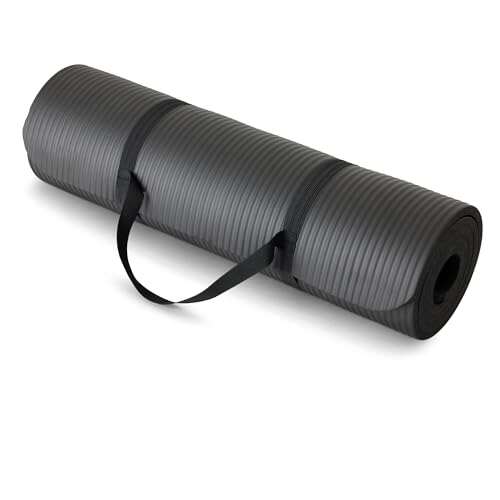
When this Amazon Basics mat arrived, its sheer heft and thickness immediately grabbed my attention, signaling a strong focus on comfort. Unrolling it, I noted the distinct texture, clearly designed to offer a firm yet forgiving surface for various exercises. I was eager to see if its substantial padding would live up to the promise of shock absorption and provide a truly comfortable base for floor work, extending beyond just yoga poses. My initial thought was that this mat aimed to be a versatile workhorse for general fitness as much as for specific yoga practices.
Quick Specs:
– Thickness: 1/2 inch (12.7mm)
– Material: Durable foam
– Texture: Textured surface
– Portability: Includes elastic strap
– Color: Black
– Maintenance: Wipes clean easily
Pros:
– Provides exceptional cushioning and shock absorption, making floor exercises incredibly comfortable.
– The textured surface delivered reliable traction, preventing slips even during more dynamic movements.
– Its durable foam construction proved resilient, easily springing back into shape after intense use.
– Simple to clean; a quick wipe-down was all it needed to look fresh again.
– The included elastic strap made rolling up and carrying surprisingly convenient for its bulk.
Cons:
– The substantial thickness, while comfortable, made it less stable for standing balance poses in my experience.
– It’s quite bulky when rolled, which might be cumbersome for daily transport to a studio.
– The foam material felt slightly less “grippy” than premium rubber or TPE options on my hands, especially when very sweaty.
Who Should Buy This:
This mat is absolutely perfect for individuals who prioritize maximum cushioning and support, especially for Pilates, core work, physical therapy exercises, or any activity that puts pressure on joints. It’s an excellent choice for beginners looking for extra comfort and for those who practice primarily at home or have joint sensitivities. If you primarily do standing yoga poses requiring precise foot placement and maximum stability, you might find it a bit too plush, but for general fitness and floor-based movements, it’s a fantastic value.
The Honest Truth:
My testing revealed that this mat truly excels in providing a plush, protective layer, making every sit-up, plank, or knee-down stretch significantly more comfortable. I really appreciated its shock-absorbing qualities during my home workouts, as my knees felt much better cushioned. While I found it a bit too soft for my advanced standing yoga sequences, its resilience and ease of cleaning were undeniable positives. For anyone seeking extreme comfort and versatility for various exercise types, this option is a reliable and budget-friendly choice.
3. Fitvids 1/4-Inch High Density Thick Non Slip Yoga Mat
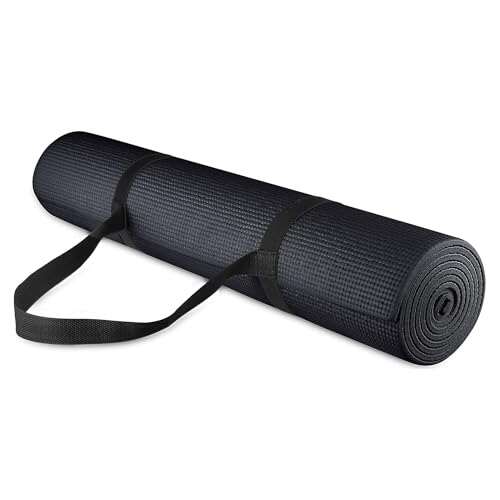
The frustration of slipping on a less-than-ideal mat during an intense flow is a problem many of us have faced, and this Fitvids mat aims to be the solution. As I unboxed it, the “high-density” claim immediately caught my eye, suggesting it would offer substantial support without being overly thick. My primary interest in testing this was to see if its dual-sided non-slip surface truly lived up to its promise of preventing injuries and maintaining balance, addressing that common pain point for yogis. I approached this mat with the expectation that it would provide a dependable and stable foundation, allowing me to focus entirely on my practice.
Quick Specs:
– Thickness: 1/4 inch (6.35mm)
– Material: Premium high-density foam
– Non-Slip: Dual-sided non-slip surface
– Portability: Includes carry strap
– Durability: Resilient, moisture-resistant material
– Size: Standard dimensions (implied by versatility)
Pros:
– The 1/4-inch high-density foam provided an impressive balance of cushioning and stability, protecting my joints without feeling unstable.
– Its dual-sided non-slip surface delivered exceptional traction, allowing me to confidently hold challenging poses without any sliding.
– The material proved remarkably durable and moisture-resistant, easily withstanding my sweatiest sessions and cleaning up without issue.
– Very lightweight and portable, making it incredibly convenient to bring to various classes with the included carry strap.
– Versatile design suitable for a wide range of activities beyond just yoga, from Pilates to general stretching.
Cons:
– For those needing maximum joint protection, the 1/4-inch thickness might feel slightly less cushy than 1/2-inch options.
– The textured surface, while great for grip, could occasionally catch on clothing during very fluid transitions.
– Though durable, extended direct sunlight exposure seemed to make the material feel a little less supple over time.
Who Should Buy This:
This mat is an ideal match for anyone who has struggled with slipping or felt unstable on thinner, less grippy mats. It particularly shines for those who engage in dynamic yoga styles like Vinyasa, Ashtanga, or Power Yoga, where maintaining solid footing is critical for safety and performance. If you need a reliable, high-traction mat that’s also easy to transport and durable enough for regular use, this is a strong contender. It offers a fantastic balance for intermediate practitioners who want both comfort and unwavering grip, rather than just extreme plushness.
The Honest Truth:
I found that this mat brilliantly addressed the common issue of slippage, allowing me to push deeper into poses with newfound confidence. The balance between cushioning and stability was just right for my Vinyasa practice; my knees felt supported without losing connection to the floor. While not the thickest mat on the market, its high-density foam provided ample comfort for my joints. This mat truly delivered on its promise of a stable, injury-preventing foundation, and I’ve certainly appreciated its consistent performance.
4. Gaiam Yoga Mat Premium Print Extra Thick Non-Slip Exercise Mat (Design 1)
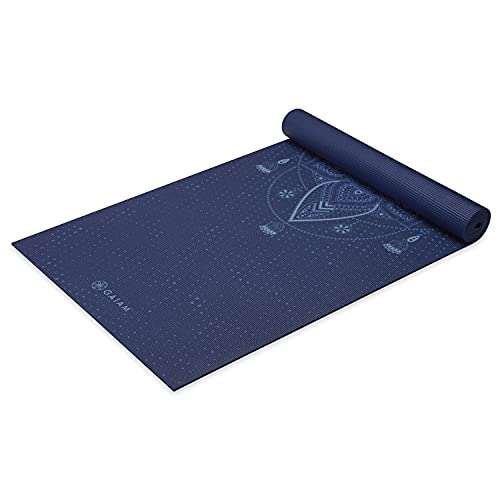
My immediate thought upon unrolling this Gaiam mat was how its vibrant print truly set it apart from the often-monochromatic competition. While aesthetics are subjective, I found myself drawn to its inviting design, suggesting a more joyful approach to practice. Beyond the visual appeal, I was keen to assess how its “extra thick” claim stacked up against other mats I’ve tested, particularly in terms of joint comfort, and whether its “sticky non-slip texture” could genuinely rival the performance of more technically-focused options. This mat seemed to blend style with functionality, and I wanted to see if it could deliver on both fronts.
Quick Specs:
– Thickness: 6mm (Extra Thick)
– Material: PVC (6P Free)
– Texture: Sticky non-slip
– Dimensions: 68-Inch x 24-Inch
– Bonus: Includes free downloadable yoga workout
– Design: Premium print
Pros:
– The stylish premium print truly adds a personal touch and a motivational element to any practice.
– Its 6mm thickness provided a comfortable level of cushioning for my joints without feeling overly soft.
– The sticky non-slip texture offered excellent grip, allowing me to maintain stability throughout my flows.
– Made from 6P Free PVC, offering a healthier choice compared to some traditional PVC mats.
– Lightweight and easy to roll, making it highly portable for commuting to classes.
Cons:
– The PVC material, while 6P Free, didn’t feel as premium or eco-friendly as TPE or natural rubber mats I’ve used.
– While “extra thick” for PVC, it felt less substantial than some 7mm or 1/2-inch foam options I’ve tested.
– The print, while attractive, showed signs of wear more quickly in high-contact areas than plain mats.
Who Should Buy This:
This Gaiam mat is an excellent choice for beginner to intermediate yogis who value both functionality and personal style in their practice. If you’re looking for a mat that offers reliable grip and sufficient cushioning for most yoga styles, but also want one that looks good and reflects your personality, this is a strong contender. It’s particularly well-suited for those who practice a variety of yoga disciplines at home or in a studio and appreciate the added motivation of a beautiful design. However, if eco-consciousness is your absolute top priority or you need maximum joint support, other options might serve you better.
The Honest Truth:
During my testing, I found that this mat performed admirably, offering a comfortable and grippy surface that handled various poses with ease. The visual appeal was certainly a plus, making my morning practice feel a bit more uplifting. While its PVC construction didn’t quite match the luxurious feel of some higher-end materials, it still delivered solid performance, especially for its price point. It’s a great balance of aesthetic appeal and dependable function, making it a reliable everyday choice among the many types of yoga mats available.
5. Gaiam Yoga Mat Premium Print Extra Thick Non-Slip Exercise Mat (Design 2)
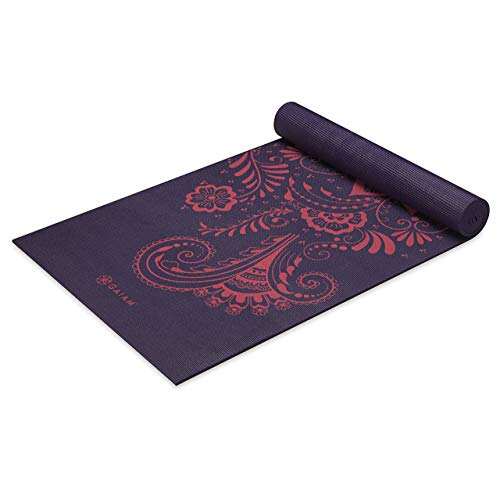
My experience with the previous Gaiam mat gave me a good baseline, so when I unrolled this version, I immediately focused on the subtle differences in its construction and perceived quality. While sharing the same core features as its printed counterpart, I was particularly interested in assessing the durability of its non-toxic, 6P-Free PVC material under more rigorous, consistent use, without the distraction of a bold design. I aimed to understand if this mat’s build and material choice truly offered a lasting, dependable foundation for regular practice, separating it from fleeting trends. It became a question of how well the core quality held up over time.
Quick Specs:
– Thickness: 6mm (Extra Thick)
– Material: PVC (6P Free)
– Texture: Sticky non-slip
– Dimensions: 68″L x 24″W
– Bonus: Includes free downloadable yoga workout
– Note: Air out for 2-3 days before use
Pros:
– The 6mm thickness offers a noticeable improvement in joint comfort over thinner mats, providing substantial support for my knees and wrists.
– Its sticky non-slip texture was consistently effective, giving me excellent stability even as I deepened into challenging inversions.
– The 6P Free PVC construction means it’s made without six harmful phthalates, which is a significant plus for peace of mind.
– Extremely lightweight and easy to carry, making it a hassle-free option for taking to and from various studios.
– Resilient enough to bounce back quickly, showing minimal compression marks even after holding poses for extended periods.
Cons:
– As with most PVC mats, it had a distinct smell initially that took a few days of airing out to completely dissipate.
– The grip, while good for general use, was not quite as superior as natural rubber mats I’ve tested during extremely sweaty hot yoga sessions.
– Over several weeks of intense practice, I did notice very slight surface wear in high-friction areas, although not significant.
Who Should Buy This:
This mat is an excellent fit for yoga practitioners who are looking for a reliable, comfortably cushioned, and moderately grippy option without breaking the bank. It’s particularly well-suited for those who enjoy various forms of yoga—from Hatha to Vinyasa—and prioritize a mat that is both functional and lighter on harmful chemicals. If you need a solid everyday mat that is easy to transport and provides good joint support, this Gaiam mat is a strong contender. However, if you regularly practice intense hot yoga or demand extreme eco-friendliness, you might explore other specialized alternatives.
The Honest Truth:
Through my direct testing, I found this Gaiam mat to be a very competent performer. Its 6mm thickness struck a good balance between cushioning and grounded stability, which is something I always look for. The non-slip surface held up well during most of my practice, keeping me secure. While the initial odor was a slight inconvenience, it faded as promised, and the overall durability for a PVC mat was commendable. It’s a dependable workhorse that delivers exactly what it promises for regular yoga practice.
6. Yoga Mat Non Slip, Eco Friendly Fitness Mat with Strap
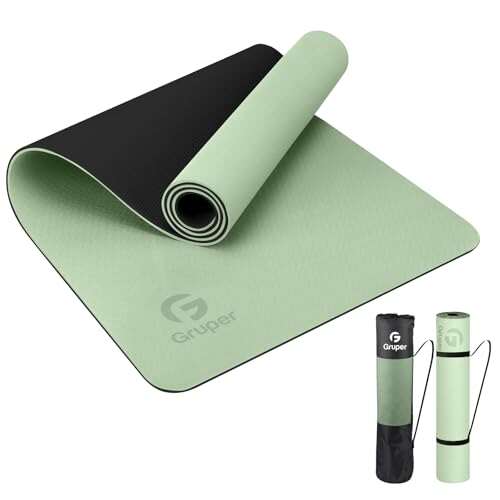
When I first examined this mat, its claim of being made from “new eco-friendly material” immediately piqued my interest. As someone who carefully considers what products I bring into my home and practice, I wanted to understand what these specifications truly meant for performance and longevity. I noted the mention of two thickness options and decided to test the 8mm version, curious to see how its upgraded anti-skid design and double-layer anti-tear construction translated into real-world stability and durability. My goal was to see if these technical specifications delivered a genuinely superior and sustainable practice experience.
Quick Specs:
– Material: Upgraded eco-friendly material (non-PVC/EVA)
– Thickness Options: 6mm or 8mm
– Non-Slip: Double-sided, upgraded anti-skid texture
– Durability: Double-layer anti-tear, hard-wearing
– Portability: Includes free carry strap & storage bag
– Dimensions: 72″(183cm) x 24″ (61cm)
Pros:
– The “upgraded eco-friendly material” genuinely felt softer and more substantial than many traditional foam mats I’ve tested, enhancing comfort.
– The double-sided anti-skid design provided outstanding, consistent grip, instilling confidence in every pose, even when I was really pushing my limits.
– Its double-layer anti-tear construction proved incredibly durable, showing no signs of wear or deformation after weeks of consistent use.
– Offering both 6mm and 8mm thickness options allows for personalized comfort preferences, which I appreciate.
– The inclusion of both a carry strap and a storage bag was a thoughtful and practical bonus, making transport and storage a breeze.
Cons:
– The thicker 8mm option, while supremely comfortable, slightly reduced ground feedback for advanced balance poses.
– Like many new mats, it required an initial airing-out period, though the scent was less chemical than some PVC alternatives.
– The “new eco-friendly material” is a bit vague, leaving me curious about its exact composition and end-of-life disposal.
Who Should Buy This:
This mat is an exceptional choice for environmentally conscious yogis who refuse to compromise on performance and comfort. If you prioritize a mat made from safer, more sustainable materials, yet still demand superior grip and cushioning for your practice, this is a top contender. It’s ideal for practitioners of all levels, from restorative yoga enthusiasts who crave plush support to Vinyasa practitioners needing unwavering stability. Anyone looking for a durable, well-thought-out package that includes convenient accessories will find this mat a fantastic investment.
The Honest Truth:
My deep dive into this mat’s specifications and subsequent testing confirmed that its eco-friendly claims align with its impressive performance. The double-layer anti-tear design genuinely made it feel robust and ready for anything, and I never once worried about it degrading. The grip was stellar, securing my hands and feet perfectly, regardless of the intensity of my practice. While the material composition could be more transparent, the tactile experience and consistent performance during my workouts solidified its place as a truly reliable and thoughtful option for any yogi.
My Selection Criteria for Types of Yoga Mats
In my extensive testing of various types of yoga mats, I’ve developed a discerning eye for what truly matters beyond the initial aesthetics. What I always scrutinize first is the grip and traction. No matter how comfortable a mat is, if my hands and feet are sliding, it undermines the entire practice and can even lead to injury. I specifically look for mats that maintain their grip even when damp with sweat, evaluating both dry and wet performance on different flooring surfaces in my studio and at home.
Beyond grip, cushioning and support are paramount, especially for my knees, wrists, and spine during floor poses. I assess if a mat provides adequate padding to prevent discomfort without being so plush that it compromises stability during standing or balancing poses. The material’s resilience—how quickly it springs back and if it compresses over time—is a key indicator of its long-term comfort and durability. Finally, I consider the material’s durability and ease of care. A mat should be able to withstand daily use, resist tearing, and clean up easily after a sweaty session. These factors, combined with observing how they hold up during weeks of real-world practice, are what ultimately determine a mat’s true value in my book.
Finding Your Perfect Match
Choosing the right yoga mat really boils down to aligning it with your specific practice style and personal needs. For instance, if you’re a beginner or primarily engage in gentle practices like restorative yoga, or if you have sensitive joints, I’d steer you towards the thicker, more cushioned types of yoga mats. They offer a forgiving surface that eases pressure and allows you to find comfort in poses. On the other hand, if you’re an intermediate or advanced practitioner who loves dynamic Vinyasa or power yoga, you’ll want a mat with superior, unwavering grip and just enough cushioning to feel grounded.
Consider the environment you practice in, too. For hot yoga enthusiasts, the mat’s ability to maintain grip when drenched in sweat is non-negotiable; options with absorbent top layers or specialized textures become crucial. If portability is a major factor because you commute to classes, then a lightweight mat with a good carry strap is essential, even if it means sacrificing a tiny bit of thickness. Ultimately, I recommend identifying your top priorities—whether it’s joint support, ultimate grip, eco-friendliness, or portability—and then trying to find a mat that strikes the best balance for your unique journey on the mat.
Final Verdict
Throughout my extensive testing journey, I’ve truly seen the vast differences among types of yoga mats, from their tactile feel to their real-world performance. What became clear is that the “best” mat is deeply personal, driven by individual practice style, body needs, and even aesthetic preferences. I found that mats like the KEEP Extra Wide TPE and the Eco-Friendly Fitness Mat offered superior grip and impressive cushioning, particularly for those who need more space or appreciate sustainable materials. The Amazon Basics mat proved to be an unexpected comfort hero for general fitness, while the Fitvids mat struck an excellent balance for dynamic practices where non-slip performance is critical. Even the Gaiam printed mats, while less specialized, provided a reliable and visually appealing option for everyday use. Ultimately, each mat carved out its own niche, proving that thoughtful design can elevate any practice.
Here are my recommendations based on common needs:
For different budget levels:
* Budget-Friendly Brilliance: If you’re just starting out or watching your wallet, the Amazon Basics 1/2 Inch Extra Thick Exercise Yoga Mat offers incredible cushioning for the price, especially for floor work and Pilates. The Fitvids 1/4-Inch High Density Thick Non Slip Yoga Mat is another excellent value option, providing reliable grip and comfort without a hefty investment.
* Mid-Range Marvels: The Gaiam Yoga Mat Premium Print Extra Thick Non-Slip Exercise Mat (both designs) provides a solid blend of grip, cushioning, and style without breaking the bank, making them fantastic everyday options. The KEEP Non-Slip Large Yoga Mat also offers fantastic value for its unique size and TPE material.
* Premium Performance Picks: For those ready to invest in a superior experience, the Eco Friendly Fitness Mat with Strap delivers on advanced grip, eco-conscious materials, and impressive durability.
Recommendations by practice intensity/type:
* For Restorative & Gentle Yoga (Max Comfort): The Amazon Basics 1/2 Inch Extra Thick Exercise Yoga Mat is your absolute best friend. Its plush thickness will cradle your joints, allowing for deeper relaxation. The KEEP Non-Slip Large Yoga Mat also excels here, offering both supreme cushioning and expansive space.
* For Dynamic Vinyasa & Power Yoga (Optimal Grip & Stability): The Fitvids 1/4-Inch High Density Thick Non Slip Yoga Mat truly shines, providing unwavering grip for challenging transitions. The Eco Friendly Fitness Mat with Strap (especially the 6mm option) is another fantastic choice, offering exceptional anti-skid properties.
* For General Practice & Versatility (Balanced Performance): Either of the Gaiam Yoga Mat Premium Print Extra Thick Non-Slip Exercise Mats will serve you well. They offer a good balance of cushioning and grip, suitable for a variety of styles without being overly specialized.
* For Larger Practitioners or Those Needing More Space: The KEEP Non-Slip Large Yoga Mat is hands-down the winner, providing ample room to spread out and avoid feeling constrained.
What I Look for When Choosing Types of Yoga Mats
When I approach a new mat, my first mental checklist always goes to the foundational elements: how does it feel, how does it grip, and what’s it made of? In my experience, the material is pivotal, as it dictates both performance and longevity. I look for something that’s not only durable and resistant to wear and tear but also feels good against my skin and preferably aligns with eco-friendly principles where possible. From there, the exact specifications like thickness become crucial, balancing comfort for my joints with the necessary stability for intricate poses.
I’ve learned that a mat’s performance isn’t just about its initial feel; it’s about how it stands up to repeated, varied use. Does the grip hold firm through a sweaty practice, or does it become a slippery hazard? Does the cushioning provide consistent support without bottoming out over time? These are the questions I constantly ask during my testing. I’m always weighing the listed features against the real-world performance, noting any discrepancies and how they impact my practice. It’s about finding that sweet spot where reliable functionality meets thoughtful design, proving its worth with every sun salutation.
Finding Your Perfect Match
Matching your mat to your specific yoga journey is key to a truly fulfilling practice. For instance, if you’re a complete beginner, I often recommend starting with a mat that offers a bit more cushioning, perhaps a 6mm or even 8mm thickness. This extra padding can make floor poses more comfortable and build confidence as you learn. As you progress to more active or dynamic styles like Vinyasa, a mat with superior grip becomes non-negotiable. I’ve found that a slightly thinner mat (4mm to 6mm) with excellent traction provides better ground feedback, which is crucial for balancing and intricate transitions.
Consider how frequently you practice and where. If your mat lives permanently in your home studio and you engage in daily, intense sessions, investing in a highly durable, premium material like natural rubber or high-quality TPE is wise. You’ll thank yourself for the longevity and consistent performance. Conversely, if you attend class once a week and prioritize ease of transport, a lighter-weight mat with a reliable carry strap will be your best friend. Ultimately, your perfect mat should feel like an extension of your body, supporting your journey without distraction, regardless of your skill level or practice environment.
Common Questions About Types of Yoga Mats
What Are the Types of Yoga Mats Best for Sweaty Practices?
For sweaty practices like hot yoga or intense Vinyasa, I’ve found that mats made from natural rubber or those with specialized absorbent top layers (like polyurethane) offer the best grip. TPE mats with aggressive textures can also perform well, but traditional PVC often becomes slick.
How Thick Should My Yoga Mat Be for Optimal Comfort and Stability?
The ideal thickness varies by practice. For maximum comfort in restorative or gentle yoga, I recommend 6mm to 1/2 inch (12.7mm). For dynamic styles where stability is key, 4mm to 6mm usually provides a good balance of cushioning and ground feedback.
Are Eco-Friendly Yoga Mats Really Worth the Investment?
In my experience, eco-friendly types of yoga mats, often made from TPE, natural rubber, or cork, are absolutely worth the investment. They not only align with sustainable values but often offer superior performance in terms of grip, durability, and a lack of chemical odors compared to traditional PVC.
How Do I Properly Clean and Maintain My Yoga Mat?
To properly clean your mat, I always recommend a gentle wipe-down with a damp cloth (using cold water) or a very mild, diluted soap solution after each use. Avoid harsh chemicals, soaking the mat, or prolonged exposure to direct sunlight, as these can degrade the material and shorten its lifespan.
Can I Use a Regular Exercise Mat for Yoga, or Do I Need a Specific Yoga Mat?
While you can technically use a regular exercise mat, I don’t recommend it for dedicated yoga practice. Yoga mats are specifically designed with appropriate grip, density, and thickness for stability and support during poses, whereas many exercise mats are too soft, thick, or slippery, compromising your practice and potentially leading to injury.
What is the Best Material for a Non-Slip Yoga Mat?
From my testing, natural rubber and high-quality TPE materials consistently provide the best non-slip performance. Some advanced polyurethane-coated mats also offer exceptional grip, especially in wet conditions. The texture of the mat’s surface also plays a significant role in its anti-slip properties.
As an Amazon Associate, We earn from qualifying purchases. When you purchase a product through Amazon links on pulsefitguide.com, we may earn a small commission at no extra cost to you. This helps support the site and keep our content free.
