


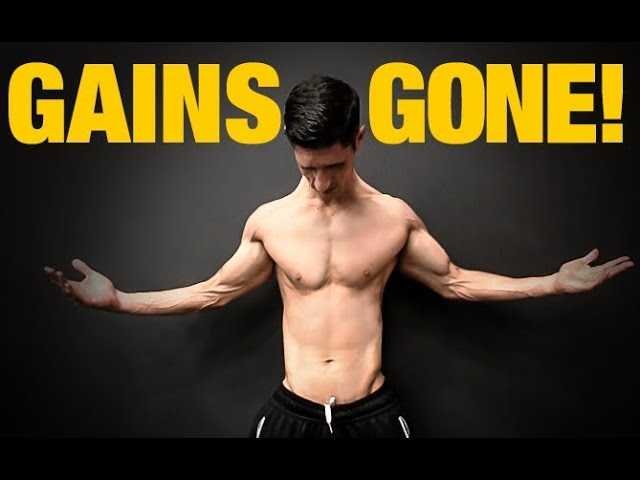
Cardio can sometimes be your gains’ worst enemy, especially if done excessively or improperly. But when does cardio actually kill gains? The quick answer is: cardio can hinder muscle growth if it’s overdone or performed at the expense of strength training, particularly when your goal is muscle building or recovery. Balance is key, and understanding how to time and intensity your cardio sessions can help you avoid losing your hard-earned muscle mass.
In essence, cardio doesn’t have to sabotage your gains; it’s all about moderation and strategy. Doing moderate cardio a few times a week, paired with proper nutrition and rest, can enhance your overall fitness without compromising muscle growth. Knowing the right timing and intensity can help you enjoy cardio’s benefits without risking your gains.

When Does Cardio Kill Gains? Understanding the Impact of Cardio on Muscle Growth
Introduction to Cardio and Muscle Gains
Cardio exercises are great for improving heart health, burning calories, and increasing endurance. Many people wonder if doing too much cardio can hurt their muscle growth and strength. It’s important to understand the balance to avoid hindering your gains while reaping cardio’s benefits.
Why Do People Think Cardio Can Kill Gains?
Some believe that cardio can interfere with muscle development because of how it affects the body. When you do cardio, your body uses energy and breaks down muscles for fuel, especially if you do intense sessions. This can make muscles weaker if not managed properly, leading to the idea that cardio might “kill” gains.
The Science Behind Cardio and Muscle Growth
Muscle growth happens during rest and recovery, mainly through strength training. Cardio is primarily for cardiovascular health and stamina. When done excessively, cardio can increase fatigue and make recovery harder, impacting muscle building negatively. However, moderate cardio can support overall fitness without harming gains.
How Much Cardio Is Too Much?
- Frequency: Doing cardio more than four to five times per week can increase the risk of overtraining.
- Duration: Sessions longer than 45 minutes might start to interfere with muscle recovery.
- Intensity: High-intensity cardio, like sprints, can be more catabolic (muscle-breaking) than low to moderate intensity workouts.
Moderate Cardio Recommendations
To avoid “killing” gains, stick to 3-4 sessions of 20-30 minutes per week at moderate intensity. Focus on steady-state cardio like brisk walking, cycling, or swimming, which are less likely to impact muscle growth.
The Timing of Cardio and Strength Training
Timing matters when combining cardio and weightlifting. Doing cardio immediately before lifting can deplete energy and weaken your workout. Conversely, performing cardio after strength training allows your muscles to recover and grow.
Best Practices for Combining Cardio and Weightlifting
- Schedule cardio sessions on separate days from strength training if possible.
- If doing both on the same day, do weightlifting first when your energy is high.
- Keep cardio sessions shorter and at lower intensities to preserve muscle recovery.
Nutrition’s Role in Balancing Cardio and Gains
Proper nutrition is key to preventing cardio from harming muscle gains. Consuming enough protein supports muscle repair and growth. Also, ensuring a balanced intake of carbs and healthy fats helps maintain energy during workouts and recovery.
Important Nutrients for Athletes Doing Cardio and Strength Training
- Protein: Aim for 1.2 to 2 grams per kilogram of body weight daily.
- Carbohydrates: Provide energy during workouts and recovery.
- Healthy Fats: Support hormone production, including testosterone, vital for muscle growth.
Listening to Your Body
Pay attention to how your body responds to combined cardio and strength workouts. Signs of overtraining include persistent fatigue, soreness, or declining performance. Adjust your routine accordingly to protect your muscle gains.
Signs You Might Be Overdoing Cardio
- Decreased strength or muscle size
- Excessive fatigue
- Increased injury risk
- Difficulty recovering between workouts
Additional Factors That Influence the Impact of Cardio on Gains
Other aspects affect whether cardio will hinder muscle development. These include your age, genetics, diet, sleep quality, and overall training volume. Younger individuals might recover faster from combined workouts, while older adults need to plan carefully to prevent muscle loss.
Role of Rest and Recovery
Getting enough sleep and rest days allows muscles to repair, even when doing cardio. Recovery is just as important as the workouts themselves to build strength and size.
Different Types of Cardio and Their Effects
Not all cardio affects gains equally. Low-impact, moderate-paced exercises are less likely to interfere with muscle growth. High-impact or intense cardio sessions pose a higher risk of breakdown.
Comparing Cardio Types
| Type of Cardio | Intensity | Impact on Gains | Recommended For |
|---|---|---|---|
| Walking | Low to moderate | Minimal | Active recovery, endurance |
| Jogging | Moderate | Low to moderate | Cardio endurance |
| Running | High | Potentially negative if overdone | Conditioning, calorie burning |
| Sprinting | High intensity | High risk of muscle breakdown | Speed work, athletic training |
Practical Ways to Protect Your Gains While Doing Cardio
To keep muscle growth on track, combine smart scheduling with proper nutrition. Focus on staying hydrated, stretching, and including rest days in your routine.
Tips for Staying Balanced
- Limit high-intensity cardio sessions
- Prioritize strength training and do cardio afterwards or on separate days
- Increase calorie and protein intake to match your activity level
- Ensure sufficient sleep and rest for recovery
Understanding how much cardio is too much helps you protect your gains while staying healthy. By controlling the frequency, duration, and intensity, and paying attention to your body and nutrition, you can enjoy the benefits of both cardio and strength training. Remember, the goal is a balanced workout plan that promotes overall fitness without compromising muscle growth.
How To Do Cardio (Without Losing Muscle)
Frequently Asked Questions
How does excessive cardio impact muscle recovery after weight training?
Engaging in too much cardio can lead to fatigue and deplete your energy reserves, making it harder for your muscles to recover after weight training sessions. This overexertion might hinder muscle growth and increase the risk of injury. To avoid this, balance your cardio with adequate rest and ensure you’re fueling your body properly.
Can doing cardio too frequently interfere with strength gains?
Yes, performing cardio excessively can interfere with strength development. High-frequency or intense cardio sessions can suppress muscle synthesis and reduce the intensity you can sustain during weight training. Aim to incorporate moderate cardio into your routine, allowing sufficient time for your muscles to recover and grow.
What are signs that cardio might be negatively affecting my muscle gains?
If you notice a plateau in your muscle growth, decreased strength, or persistent fatigue, these could indicate that cardio is hindering your progress. Additionally, if you’re experiencing increased soreness or difficulty recovering from workouts, it might be time to adjust your cardio routine to better support your muscle-building goals.
How should I schedule cardio sessions to maximize muscle gains?
Schedule cardio on days separate from intense weightlifting sessions or perform light cardio after strength workouts. This approach helps prevent fatigue and preserves energy for muscle building. Also, limit the duration and intensity of cardio to maintain a balance that supports recovery and growth.
Is there an ideal amount of cardio that doesn’t compromise muscle gains?
Typically, engaging in about 3 to 4 sessions of moderate-intensity cardio per week, each lasting 20 to 30 minutes, allows you to improve cardiovascular health without negatively impacting muscle development. Adjust your routine based on your individual goals and how your body responds to different exercise volumes.
Final Thoughts
Cardio is essential for overall health and endurance. However, doing excessive cardio can interfere with muscle gains. It’s important to balance cardio with strength training to avoid hindering progress.
When does cardio kill gains? It mainly happens when cardio sessions are too frequent or intense, leading to overtraining and inadequate recovery. Keep cardio moderate and complement it with proper nutrition and rest.
In conclusion, understanding when cardio kills gains helps optimize your fitness routine. Use cardio wisely to enhance your progress without sacrificing muscle growth.
As an Amazon Associate, We earn from qualifying purchases. When you purchase a product through Amazon links on pulsefitguide.com, we may earn a small commission at no extra cost to you. This helps support the site and keep our content free.
