


The best time to do cardio for maximum results is early in the morning on an empty stomach, but it can also be effective after workouts or in the evening depending on your goals.
Cardio can be most effective when aligned with your personal schedule and body rhythm, whether that’s before breakfast for fat burning or post-workout to enhance endurance. It’s all about consistency and timing that suits your lifestyle.
If you’re wondering when cardio delivers the greatest benefits, the answer depends on your fitness goals and daily routine. Doing cardio in the morning can boost fat loss, while exercising after strength training can improve endurance. The key is to find a time that you’ll stick with regularly to see the best results.

When is Cardio Most Effective: Understanding the Best Times to Get Moving
Introduction to Cardio Effectiveness
Cardio workouts are a popular way to boost health, burn calories, and improve stamina. But many people wonder, **when is cardio most effective**? The timing of your cardio can influence how your body responds and the benefits you gain. Knowing the right time can help you maximize results and stay motivated.
Morning Cardio: Kickstarting Your Day
Starting your day with cardio has many advantages. Exercising in the morning can boost your metabolism and energize you for hours. It also helps build consistency, as fewer distractions occur early in the day.
Benefits of Morning Cardio
- Enhanced Fat Burning: Your body tends to burn more fat when exercising before breakfast because glycogen stores are lower.
- Improved Mood and Focus: Morning exercise releases endorphins, helping you feel happier and more focused throughout the day.
- Better Consistency: Morning workouts are less likely to be skipped, creating a regular exercise habit.
Considerations for Morning Cardio
To get the most from morning cardio, start with light to moderate intensity. It’s best to warm up properly to prevent injury. Also, stay hydrated and consider a small snack if you’re feeling low energy.
Afternoon and Evening Cardio: Energy and Performance
The body’s strength, flexibility, and performance tend to peak later in the day, making afternoon or evening ideal for more intense workouts. Your muscles are warmer and more flexible, reducing injury risk.
Advantages of Afternoon or Evening Cardio
- Higher Performance Levels: You can often work out harder and longer as your body is more prepared.
- Stress Relief: Evening workouts can help you unwind after a busy day and reduce stress.
- Better Nutrition Support: You can fuel your workout with meals and snacks, increasing energy and endurance.
Tips for Evening Cardio
Avoid high-intensity workouts too close to bedtime to prevent interference with sleep. Maintain proper hydration and allow enough time to cool down and relax after exercising.
Timing for Fat Loss and Weight Management
If fat loss is your goal, timing can be especially important. Exercising before breakfast may boost fat burning, but overall consistency and diet are key.
Why Pre-Breakfast Cardio Works
Performing cardio in a fasted state, typically before breakfast, encourages your body to use stored fat for energy. This method can enhance fat loss without affecting muscle.
Balance with Nutritional Needs
While fasted cardio can be effective for fat burning, it’s essential to listen to your body. Some people may feel lightheaded or weak without proper fuel.
Impact of Circadian Rhythms on Cardio Effectiveness
Your body’s biological clock, or circadian rhythm, influences when exercise is most effective. These rhythms regulate energy levels, hormone production, and body temperature.
Body Temperature and Muscle Flexibility
Body temperature peaks in the late afternoon, which increases muscle elasticity and reduces injury risk. Warmer muscles enable more effective cardio sessions.
Hormone Levels and Performance
Testosterone and cortisol fluctuate during the day. Higher testosterone levels in the afternoon can improve strength and recovery, making this a good window for intense workouts.
Other Factors Influencing Cardio Effectiveness
While timing is important, other elements can impact the success of your cardio routines. Consider these factors for better outcomes.
Consistency Over Timing
Regular exercise is more important than the specific time of day. Choose a time that fits your schedule and lifestyle for sustained effort.
Type of Cardio and Personal Preferences
Different cardio activities, such as running, cycling, or swimming, may be more effective depending on your goals and interests. Enjoyment leads to consistency.
Environmental Conditions
Outdoor cardio benefits from fresh air and natural scenery, but weather and temperature can influence when you exercise. Indoor options allow flexibility regardless of weather.
How to Optimize Your Cardio Routine
To make your cardio sessions as effective as possible, adapt your schedule and routine based on your goals, schedule, and body responses.
Set Clear Goals
Identify whether your focus is fat loss, endurance, or overall health. Your goals will guide the best timing and intensity of your workouts.
Plan Your Workouts
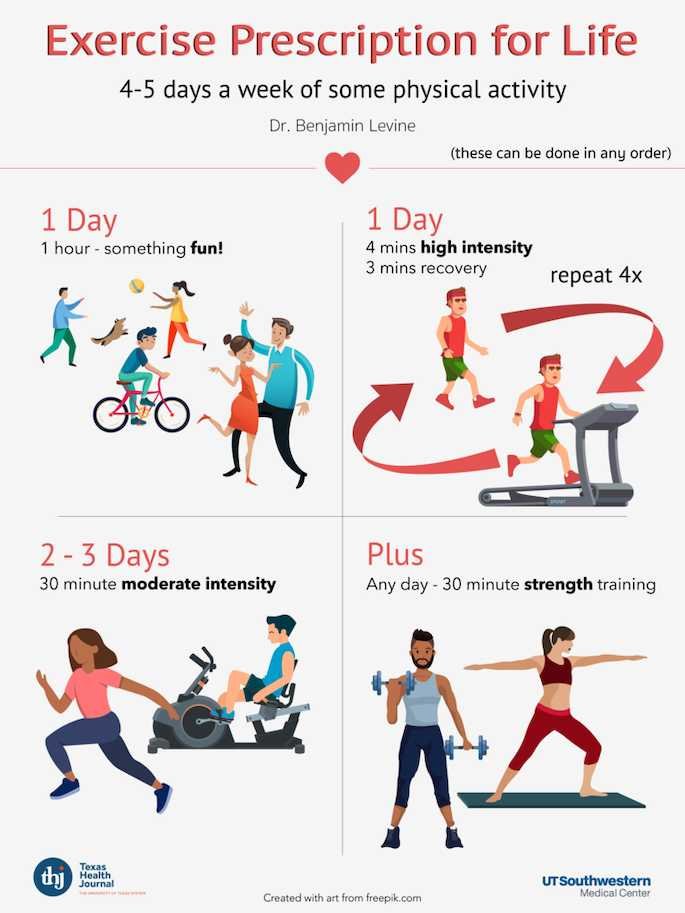
Create a weekly schedule that balances morning and evening sessions if possible. Mix moderate and high-intensity workouts to prevent plateaus.
Monitor Your Body’s Responses
Pay attention to how you feel at different times. Adjust the timing if you notice improved performance or more energy at certain periods.
Stay Motivated
Use music, workout buddies, or tracking apps to stay committed. Celebrating progress at different times can boost your consistency.
Related Topics for Better Understanding
- HIIT Versus Steady-State Cardio: Understanding which is best for your goals and when to perform each.
- Nutrition and Hydration: How eating and drinking habits influence cardio effectiveness.
- Recovery and Rest: The importance of allowing your body to recover between sessions.
- Age and Fitness Level: How these factors affect the ideal time for cardio workouts.
Summary of Key Points
| Time of Day | Best for | Additional Notes |
|---|---|---|
| Morning | Fat burning, mood boost, habit formation | Light to moderate intensity, proper warm-up needed |
| Afternoon/Evening | Performance, strength, higher intensity | More flexible for high-intensity workouts, avoid late-night sessions |
| Pre-Breakfast | Fat loss, fasted cardio benefits | Monitor energy levels, hydration is key |
Incorporating Timing Into Your Routine
Start by choosing a time you can consistently stick with each week. Mix morning and evening sessions if your schedule allows. Remember, **regularity beats perfect timing** for overall progress.
When you understand your body’s rhythms and lifestyle, you can tailor your cardio sessions to fit your goals better. Whether you prefer early mornings or late evenings, the most effective time is when you feel motivated and energized to stay active.
How To Do Cardio (Without Losing Muscle)
Frequently Asked Questions
What are the benefits of timing cardio exercises in the morning?
Engaging in cardio in the morning can boost your metabolism and increase calorie burn throughout the day. Morning workouts help improve mental alertness and set a positive tone for the rest of your day. Additionally, exercising early can lead to more consistent workout habits, as it reduces the likelihood of daily schedule disruptions interfering with your routine.
How does performing cardio on an empty stomach affect workout effectiveness?
Doing cardio on an empty stomach, often referred to as fasted cardio, may encourage your body to utilize stored fat for energy, potentially aiding in fat loss. However, it can also lead to decreased performance and lower energy levels during exercise. For sustained effort and optimal results, some find that eating a light snack before cardio enhances their endurance and overall effectiveness.
Is cardio more effective after a strength training session?
Incorporating cardio after strength training can be particularly effective for fat loss and improving cardiovascular health. Doing cardio post-strength workout takes advantage of increased energy expenditure and may lead to greater fat oxidation. However, ensure you fuel adequately before your workout to maintain energy levels and prevent excessive fatigue during subsequent cardio.
Why is timing cardio sessions in relation to meals important?
Timing cardio around meals can influence energy levels and workout quality. Exercising shortly after a meal may cause discomfort and reduce performance, while waiting too long after eating might leave you feeling low on energy. Ideally, perform cardio either an hour or so after a balanced meal or at least 30 minutes to an hour after a light snack for optimal results.
Final Thoughts
Cardio is most effective when performed consistently and at the right time of day. Morning sessions can boost metabolism and energy levels for the day ahead. Alternatively, doing cardio post-strength training helps improve overall endurance and fat burning.
Timing varies based on individual goals and schedules. Focus on when you feel most motivated and can maintain regularity. Ultimately, when is cardio most effective depends on integrating it into your routine consistently.
As an Amazon Associate, We earn from qualifying purchases. When you purchase a product through Amazon links on pulsefitguide.com, we may earn a small commission at no extra cost to you. This helps support the site and keep our content free.
