


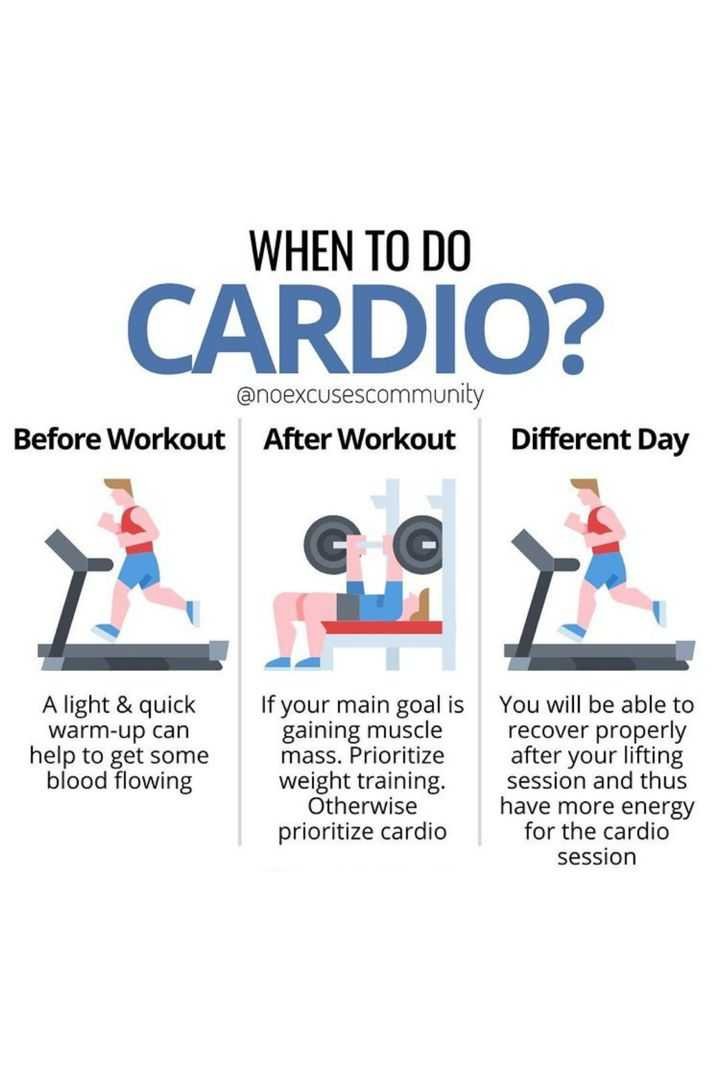
The best time to do cardio depends on your goals and daily routine, but generally, it’s most effective when it fits seamlessly into your schedule and aligns with your fitness objectives. Doing cardio in the morning can boost energy and metabolism, while exercising after strength training can enhance fat burning. The key is consistency and choosing a time you’re most likely to stick with.
For most people, the ideal moment to do cardio is when they feel most energized and motivated, whether that’s in the morning, before lunch, or in the evening. Combining your cardio sessions with your personal lifestyle ensures you stay committed and reap the greatest benefits. Ultimately, it’s about finding a time that works for you so you can keep moving regularly and enhance your overall fitness journey.
Starting your workout routine with a clear plan can be motivating and help you achieve your goals faster. If you’re wondering when to do cardio, consider your daily rhythm, energy levels, and personal preferences—these factors will guide you toward the best time for your body and schedule.

When Should I Do Cardio? The Best Times to Boost Your Fitness Routine
Understanding Cardio and Its Benefits
Cardio, short for cardiovascular exercise, helps your heart and lungs work better. It burns calories, boosts energy, and improves overall health. Knowing the right time to do cardio can help you get the most benefits with less effort.
Why Timing Matters for Cardio
The time you choose to do cardio can affect your energy levels, workout effectiveness, and recovery. Picking the best time depends on your goals, daily schedule, and how your body responds. Let’s explore the different options available.
Morning Cardio: Kickstart Your Day
Many people prefer to do cardio in the morning for a fresh start. Exercising early can increase your metabolism and help burn more fat throughout the day. It also boosts your mood and energy for the hours ahead.
Pros of Morning Cardio
- Helps burn stored fat by exercising on an empty stomach
- Sets a healthy tone for your day
- Enhances mental focus and mood
Cons of Morning Cardio
- May feel harder due to lower body temperature and stiffness
- Requires waking up earlier, which might be tough for some
- Potential lack of energy if not properly fueled
Afternoon and Evening Cardio: When Energy Levels Peak
Many find that their energy is higher later in the day, making afternoon or evening workouts more effective. Your muscles are warmer, and strength levels might be better, reducing injury risk.
Advantages of Later Day Cardio
- Higher body temperature improves flexibility and performance
- More strength and endurance during workouts
- Can serve as a stress reliever after work or daily chores
Potential Drawbacks
- Workout might interfere with evening routines or sleep for some
- Exercising too close to bedtime could disrupt sleep in sensitive individuals
Optimal Timing Based on Your Fitness Goals
Timing your cardio depends heavily on what you want to achieve. Let’s look at each major goal and the best times to do cardio.
Fat Loss
Performing cardio in the morning on an empty stomach, often called fasted cardio, can help burn more fat. However, consistency matters most, so choose a time that fits your schedule.
Endurance Training
For building stamina, afternoon or evening workouts are best. Your muscles are warmer, and your body is prepared for more intense activity.
Improving Heart Health
Any time of day works, but regular sessions at steady times help establish a routine. This consistency benefits heart health more than the specific hour.
How to Incorporate Cardio Throughout the Day
Splitting your cardio into shorter sessions can be effective. For example, doing 10-minute walks or jogs at different times can add up without feeling overwhelming.
Examples of Daily Cardio Segments
- Morning brisk walk or jog
- Lunchtime bike ride or jump rope
- Evening dance or swimming session
Consider Your Body’s Natural Rhythms
Your body has natural peaks in energy and flexibility. Listening to these cues can help you identify your ideal times for cardio.
Circadian Rhythms and Exercise
Your energy tends to be higher during late morning and early evening. Aligning your workouts with these peaks can improve performance and enjoyment.
How to Stay Consistent Regardless of Timing
Consistency matters more than the specific time you exercise. Find a time that fits your daily routine and stick with it for best results.
Tips to Maintain Regular Cardio
- Schedule workouts like appointments
- Prepare your gear ahead of time
- Mix different times to keep routines interesting
Special Considerations for Different Populations
Your age, fitness level, and health conditions influence the best time for your cardio sessions.
Beginners and Older Adults
Morning workouts might be best to establish a routine, but always choose times when your body feels most energetic and comfortable.
Athletes and Fitness Enthusiasts
Timing may be optimized for training cycles, focusing on peak performance hours and recovery periods.
Deciding when to do cardio depends on your personal goals, schedule, and how your body responds. Whether you prefer early morning, midday, or evening sessions, the key is consistency. Pay attention to your energy levels and recovery needs to make cardio a sustainable part of your lifestyle.
How To Do Cardio (Without Losing Muscle)
Frequently Asked Questions
Is it better to do cardio before or after weight training?
It depends on your fitness goals. If your primary focus is improving cardiovascular endurance or burning calories, doing cardio before weight training can help warm up your muscles and boost your energy levels. However, if building strength is your main goal, completing weight training first ensures you have the energy to lift effectively, with cardio as a secondary activity afterward.
Should I do cardio on rest days or active recovery days?
Performing light to moderate cardio on rest or active recovery days can promote circulation, help muscles recover, and prevent stiffness. Low-impact activities such as walking, cycling, or swimming are ideal. Keep the intensity moderate to avoid overtaxing your body and ensure your recovery stays effective.
At what time of day is cardio most effective for losing weight?
While any time of day can support weight loss, doing cardio on an empty stomach in the morning may help burn more fat since glycogen stores are lower. Nonetheless, the most important factor is consistency; choose a time that fits your schedule so you can maintain regular workouts.
How long should I wait after eating before doing cardio?
It’s best to wait approximately 30 minutes to an hour after a light meal or snack before engaging in cardio. If you have eaten a larger meal, wait about two to three hours to prevent discomfort and ensure your body has enough energy to perform efficiently without gastrointestinal issues.
Can I do cardio immediately after my weight lifting session?
Yes, you can perform light cardio, such as brisk walking or cycling, after strength training. Doing so can help cool down your muscles and may assist in recovery. However, if you’re aiming for high-intensity cardio or are fatigued, give your body adequate time to rest before engaging in additional strenuous activity.
Final Thoughts
When should I do cardio? Timing depends on your goals and daily routine. Doing cardio in the morning can boost your energy and metabolism for the day. Alternatively, exercising later helps improve performance and allows for better recovery.
Incorporate cardio when it fits best into your schedule and complements your strength training. Consistency matters more than the specific time of day. Prioritize regular sessions to see ongoing benefits and maintain motivation.
As an Amazon Associate, We earn from qualifying purchases. When you purchase a product through Amazon links on pulsefitguide.com, we may earn a small commission at no extra cost to you. This helps support the site and keep our content free.
