


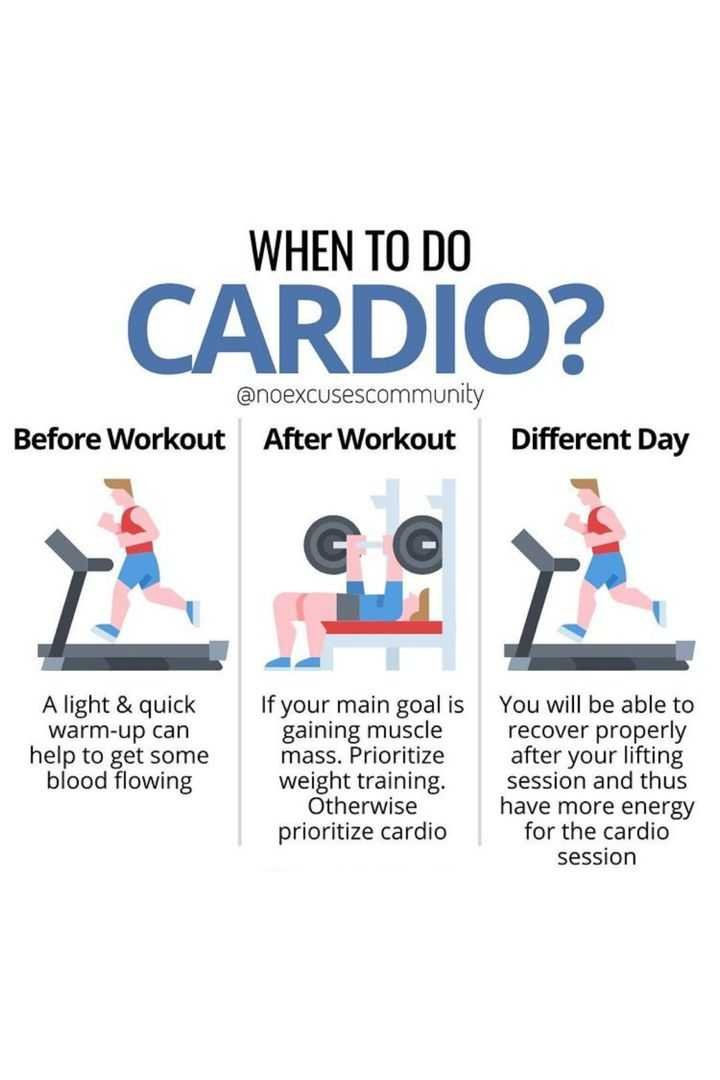
The best time to do cardio really depends on your personal goals and schedule, but generally speaking, morning workouts can boost your energy and metabolism for the day. If you’re aiming for fat burning, exercising on an empty stomach might be effective, while evening sessions can help you unwind and improve sleep.
Cardio can be done anytime that fits your routine, but knowing when to do it can maximize your results. Whether you’re a morning person or prefer working out later, the key is consistency and aligning your cardio with your lifestyle. This way, you’re more likely to stick with it and reap the benefits, no matter what time of day you choose.

When Should You Do Cardio? A Complete Guide to Timing Your Workouts
Understanding Why Timing Matters for Cardio
Timing your cardio workouts can make a big difference in how effective your exercise is. Whether you want to lose weight, boost your energy, or improve your heart health, the right time to do cardio can help you achieve your goals faster. Different times of the day offer unique benefits, and knowing when to do cardio helps you get the most out of each session.
Morning Cardio: Starting Your Day with Energy
Many people prefer to do cardio in the morning because it can boost energy levels for the day. Exercising on an empty stomach, often called fasted cardio, can also help burn more fat. This is because your body uses stored fat for energy when no food is available.
- Benefits of morning cardio include: increased metabolism, improved mood, and better consistency.
- Morning workouts may lead to better adherence because they are less likely to be interrupted by daily activities.
- However, some find that they lack energy early in the day, so it’s important to listen to your body.
Afternoon Cardio: The Midday Boost
Doing cardio during the afternoon or midday can take advantage of your body’s natural energy peaks. Your body temperature is higher, muscles are warmer, and strength levels are often increased, making workouts more effective.
Why consider afternoon cardio?
– It can improve mental focus for the rest of your day.
– It often feels less rushed than morning sessions.
– Your body is more prepared physically, reducing injury risk.
Tips for successful afternoon cardio
- Eat a balanced meal a few hours before your workout for energy.
- Allow rest if needed after work to ensure you’re not overly tired.
- Stay hydrated to maintain performance during exercise.
Evening Cardio: Unwinding and Decompressing
Many choose to do cardio in the evening after work or dinner, as it can help relieve stress and clear the mind. Evening workouts may also fit better into busy schedules.
Advantages of evening cardio include:
- Relief from daily stress and improved sleep quality.
- Opportunity to socialize if you join group fitness classes.
- Higher body temperature can improve flexibility and reduce injury chances.
Tips for evening cardio sessions
- Finish workouts at least an hour before bed to ensure restful sleep.
- Avoid intense sessions close to bedtime if they interfere with sleep quality.
- Make sure to hydrate and refuel afterward.
Matching Cardio Timing to Your Goals
Your fitness goals largely dictate the best time for cardio. Understanding these goals helps you select the most effective workout schedule.
Weight loss and fat burning
For burning fat, fasted cardio in the morning can be particularly effective. Since your body taps into fat stores, this time maximizes fat loss, especially if combined with a healthy diet.
Building endurance and strength
If your goal is to improve cardiovascular endurance or muscle strength, afternoon or evening workouts might be better. Your body is warmer, and your muscles are more flexible, reducing injury risks.
Stress relief and mental health
Evening sessions can help unwind and manage stress, especially after a busy day. Choose a time that helps you relax and enjoy your workout without feeling rushed.
Consider Your Schedule and Consistency
Consistency trumps timing when it comes to seeing results. Find a time that fits into your daily routine and stick with it.
Tips for creating a routine:
- Set fixed days and times for your workouts.
- Be flexible but committed to staying active regularly.
- Adjust your schedule when necessary but maintain the habit.
Listen to Your Body and Adjust Accordingly
Your body’s signals are essential when scheduling cardio. Some days you might feel more energetic in the morning, while others may perform better in the evening.
Signs you should change your timing:
- Persistent fatigue or soreness at a particular time.
- Difficulty maintaining your workout routine.
- Changes in sleep quality or mood related to exercise timing.
Additional Tips for Effective Cardio Timing
No matter the time you choose, proper preparation can enhance your workout.
- Warm up properly to prevent injuries and improve performance.
- Hydrate well before, during, and after your session.
- Post-workout nutrition helps recovery and energy replenishment.
Related Topics to Consider
Exploring other aspects of workout timing can help you refine your routine:
- Best types of cardio for different goals
- How to combine strength and cardio workouts
- Impact of workout timing on sleep patterns
- Strategies to stay motivated for consistent exercise
Understanding when you should do cardio helps optimize your exercise routine and aligns it with your personal goals. Whether morning, afternoon, or evening, choosing the right time ensures you stay motivated, perform better, and reach your fitness milestones more efficiently.
How To Do Cardio (Without Losing Muscle)
Frequently Asked Questions
How does the timing of cardio sessions affect workout performance?
Timing your cardio sessions can influence how effectively you perform during your workout. Doing cardio before strength training can serve as a warm-up, increasing blood flow and preparing your muscles, but it may lead to fatigue that impacts lifting heavier weights. Conversely, performing cardio after strength training helps conserve energy for lifting while still benefiting from increased calorie burn. Consider your primary fitness goal when deciding the timing; if building endurance is a priority, incorporating cardio beforehand might be advantageous, whereas focusing on strength may warrant doing cardio afterward.
Is there an optimal part of the day to do cardio for better results?
While the best time to do cardio varies based on personal schedule and preference, some research suggests that doing cardio in the morning on an empty stomach can help increase fat burning. However, morning workouts may also require a longer warm-up to reach your optimal performance levels. Afternoon or evening sessions can allow for higher intensity workouts since your body is more warmed up and fueled. The key is to choose a time that you can consistently stick to, ensuring regularity and long-term benefits.
Should you do cardio on rest days or incorporate it into workout days?
Including light cardio on rest days can promote active recovery, reduce muscle soreness, and improve overall cardiovascular health. If you prefer higher-intensity cardio, doing it on workout days can help maximize fat loss and endurance training, but ensure you listen to your body to prevent overtraining. Rest days should still include gentle activities like walking or stretching, rather than intense cardio, to allow your muscles to recover and prevent burnout.
Final Thoughts
When should you do cardio? The best time varies based on your goals and schedule. Doing cardio in the morning can boost energy and set a positive tone for the day. Later sessions might better serve those seeking weight loss or improved endurance. Choose a time that fits comfortably into your routine and keeps you consistent. Prioritize your personal preferences to stay motivated. Ultimately, the key is to integrate cardio regularly into your lifestyle for optimal results.
As an Amazon Associate, We earn from qualifying purchases. When you purchase a product through Amazon links on pulsefitguide.com, we may earn a small commission at no extra cost to you. This helps support the site and keep our content free.
