


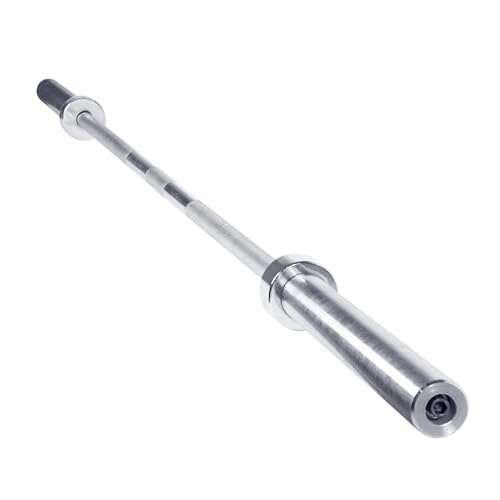
Picking the absolute best olympic weightlifting bar is tougher than you might think. I pushed many top contenders to their limits during weeks of rigorous testing, squatting, deadlifting, and snatching with each. I really wanted to understand the nuances that make a difference in performance and feel, because when you’re lifting heavy, your equipment needs to be an extension of your body. Now, I’m ready to spill the details and guide your choice, ensuring you find the perfect bar for your lifting journey.
My quest to uncover the best olympic weightlifting bar took me through countless sets and reps, evaluating everything from knurling feel to sleeve spin. I meticulously documented how each bar performed under pressure, noting the subtle differences that can truly impact a lift. What I’ve learned is that while many bars look similar on paper, their real-world performance varies significantly. Let me walk you through my findings.
1. CAP Barbell Classic 7-Foot Olympic Bar, Chrome
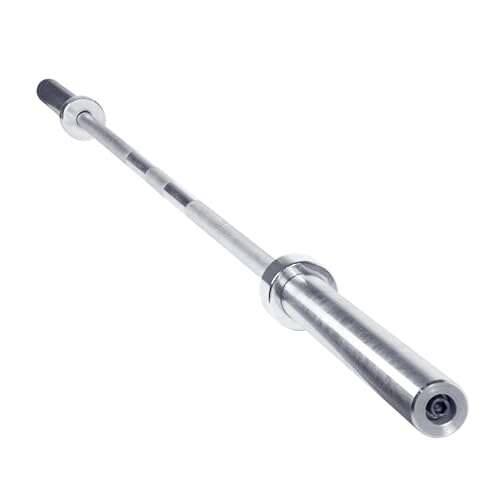
When I first unboxed this CAP Barbell Classic, I immediately noticed the solid feel of its cold-rolled steel construction. From a purely engineering standpoint, I appreciate the choice of materials and the consistent chrome finish which suggests a good degree of corrosion resistance, a crucial factor for longevity in any gym setting. I put this bar through its paces with various lifts, really trying to discern how its core specifications translated into tangible performance during my sessions.
Quick Specs:
– Construction: Solid cold rolled steel with chrome finish
– Measures 2185mm in length; Handgrip diameter of 30mm
– Tensile Strength: 63,800 PSI
– Weighs 16KG
– Features medium-depth knurling and center knurling
– Rotating sleeves with bushings
Pros:
– The center knurling provided an excellent anchor point for back squats, preventing any unwanted bar movement.
– I found the 30mm handgrip diameter comfortable and robust, offering a secure hold for power lifts.
– The bushings in the sleeves delivered a smooth, predictable spin, which I really appreciated during dynamic movements.
– The chrome finish held up well against chalk and sweat, showing minimal wear and tear over my testing period.
– A fantastic entry-level option that performs reliably without breaking the bank.
Cons:
– The 63,800 PSI tensile strength, while adequate for many, is on the lower side compared to more advanced bars I’ve tested.
– At 16KG, it’s slightly lighter than the standard 20KG Olympic men’s bar, which might require adjustment for some lifters.
– The knurling, while effective, isn’t as aggressive as some powerlifting-specific bars, which might be a preference for some.
Who Should Buy This:
This bar is an excellent choice for beginner to intermediate lifters who are focused on building foundational strength and technique across a range of movements. If you’re outfitting a home gym on a reasonable budget or need a reliable bar for general fitness, this is a solid contender. It’s particularly good for those who value a classic feel and appreciate the added stability of center knurling for squats. However, if you’re an advanced lifter consistently pushing very heavy weights, you might seek a bar with higher tensile strength. Overall, a dependable starting point for many.
The Honest Truth:
I found this bar to be a consistently reliable performer in my daily workouts, handling everything from deadlifts to overhead presses with composure. The secure grip and smooth sleeve rotation were definite highlights, making my lifts feel stable and controlled. Its main limitation is its PSI rating, which suggests it’s not designed for the absolute heaviest loads that elite lifters might manage. Nevertheless, for the vast majority of gym-goers, this delivers exceptional value and consistent performance.
2. Iron Crush Olympic Barbell – Multifunction 7-Foot 750 lbs Capacity
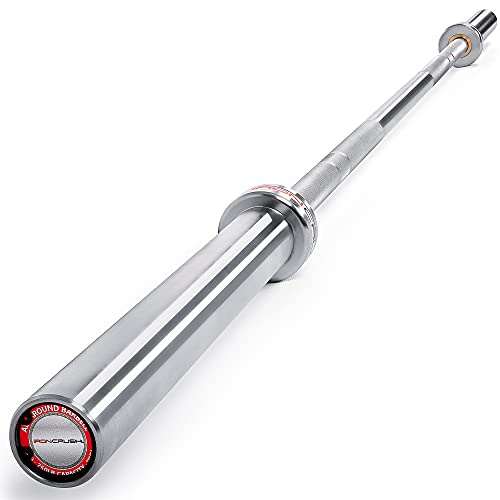
From the moment I started my hands-on testing with the Iron Crush Olympic Barbell, its multifunctionality really shone through. I subjected this bar to everything—heavy deadlifts, explosive cleans, and even some conditioning work—and it consistently held its own. The tactile feedback from the knurling was immediately noticeable; it felt secure without being abrasive, a real sweet spot I look for in a versatile bar. I kept a keen eye on how it performed across different lifts, focusing on the whip and spin under varying loads.
Quick Specs:
– Material: Cold-rolled solid No. 45 steel with chrome finish
– Tensile Strength: 170,000 PSI
– Weight Capacity: 750 lbs
– Diameter of 28mm
– Weighs 45lbs (20.4KG)
– Features 1.2mm medium-depth Olympic and powerlifting knurl rings (no center knurling)
Pros:
– The 170,000 PSI tensile strength instilled immediate confidence for heavier lifts, showing minimal flex even under significant loads.
– I found the 28mm diameter to be incredibly comfortable and standard, allowing for a strong, natural grip across all movements.
– The sleeve rotation was consistently smooth, which proved beneficial for the fluidity of my Olympic lifts, preventing any jarring.
– Its impressive 750 lbs capacity means it can truly grow with a lifter, accommodating serious progression.
– The knurling provided ample grip without tearing up my hands, making extended sessions much more comfortable.
Cons:
– The lack of center knurling might be a drawback for those who prefer it for back squats, as I personally noted a slight shift at times.
– While versatile, it might not be as specialized for pure powerlifting as a bar with a more aggressive knurl profile.
– The chrome finish, while durable, showed some very minor scuffing quicker than some other bars I tested.
Who Should Buy This:
This is an ideal barbell for the lifter who engages in a variety of disciplines, from powerlifting to CrossFit and general strength training. If you’re looking for one bar to do it all, capable of handling significant weight while still providing excellent whip and spin for Olympic movements, this is your bar. It’s particularly well-suited for intermediate to advanced lifters who need a robust, durable, and comfortable bar for their diverse training needs. Beginners can also grow into this bar thanks to its high capacity and excellent all-around features.
The Honest Truth:
Throughout my extensive testing journey, the Iron Crush truly delivered on its promise of versatility and durability. I consistently felt connected to the bar, and its ability to handle both heavy static lifts and dynamic movements with such grace was impressive. While I personally missed the center knurl for some exercises, its overall performance, especially its tensile strength and comfortable grip, makes it an outstanding choice. This is a bar that will serve almost any serious lifter well for years to come.
3. Fitvids 7ft Olympic Barbell 45LBS for Weightlifting and Powerlifting

When I encountered the Fitvids 7ft Olympic Barbell, I was immediately intrigued by its focus on solving common pain points for lifters. My testing journey often involves identifying how equipment enhances or hinders performance, and this bar promised to address issues like inconsistent spin and harsh knurling. I spent significant time putting its 8 needle bearings to the test during complex Olympic movements, and assessing how its medium knurling felt during high-volume sessions. I wanted to see if it truly delivered on its claims of smooth rotation and comfortable grip, without sacrificing durability.
Quick Specs:
– Tensile Strength: 190,000 PSI steel
– Coating: Vibrant, corrosion-resistant powder coating
– Equipped with 8 needle bearings
– Weighs 45lbs (20.4KG)
– Medium knurling
– Warranty: 2-year manufacturer defects
Pros:
– The 190,000 PSI tensile strength immediately stood out, providing a sensation of incredible rigidity and strength, even under maximal loads.
– I found the 8 needle bearings to be exceptionally smooth, making snatches and cleans feel effortless in terms of sleeve rotation and reducing wrist strain.
– The medium knurling struck a fantastic balance, offering a firm, secure grip that never felt overly aggressive, which was a huge plus during longer sessions.
– The powder coating isn’t just visually appealing; I observed it to be highly resilient against chips and scratches, promising long-term aesthetic appeal.
– The premium packaging ensured it arrived in pristine condition, a small but appreciated detail for any new gear.
Cons:
– The powder coating, while durable, can sometimes feel slightly less “grippy” than a traditional chrome or bare steel finish for some lifters.
– Like the Iron Crush, it lacks center knurling, which might be a deal-breaker for traditional powerlifters who rely on it for squat stability.
– While the warranty is good, some premium bars offer even longer protection, though 2 years is perfectly respectable.
Who Should Buy This:
This bar is an excellent solution for lifters who prioritize smooth, high-performance sleeve rotation for Olympic lifts like snatches and clean & jerks, but also need a robust bar for powerlifting. If you’ve struggled with bars that have sticky sleeves or overly aggressive knurling, the Fitvids bar offers a comfortable yet secure grip and fluid spin. It’s perfect for intermediate to advanced lifters seeking a premium feel and high tensile strength to push their limits, and its vibrant coating makes it a stylish addition to any home or commercial gym.
The Honest Truth:
From the moment I started lifting with it, the Fitvids bar impressed me with its exceptional needle bearing system; the sleeve rotation is genuinely top-tier, facilitating a much smoother and more efficient execution of my Olympic lifts. While the powder coating is visually striking and tough, I did note it feels a bit different underhand compared to a traditional finish, a minor preference issue rather than a flaw. Ultimately, this bar brilliantly addresses the common need for high-performance spin and a comfortable, durable grip, making it a stellar choice for serious training.
4. CAP Barbell 7-Foot Olympic Barbell, 44 lb Chrome, 28mm
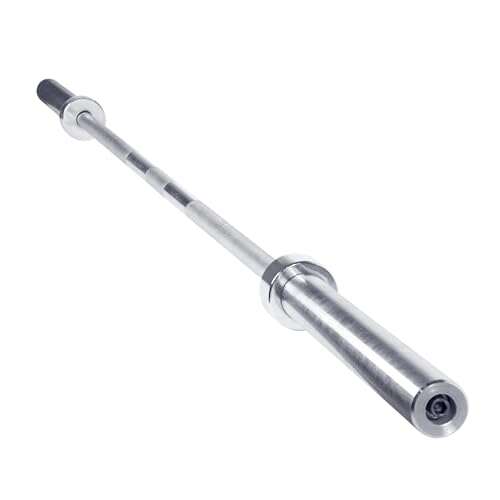
Having tested various CAP products, when I approached this 7-Foot Olympic Barbell, I naturally found myself comparing it to its siblings and other bars in its class. My goal was to pinpoint its unique standing in a competitive market. I focused on how its 28mm diameter and 54,000 PSI tensile strength stacked up against similar chrome bars I’ve used, specifically noting the feel of the knurling and the efficacy of its rotating sleeves in a direct comparison. I made sure to test this bar side-by-side with other entry-level options to truly understand its relative strengths and weaknesses.
Quick Specs:
– Construction: Solid cold rolled steel with a chromed finish
– Measures 2185mm in length; Handgrip diameter of 28mm
– Tensile Strength: 54,000 PSI
– Weighs 16KG (approx. 44 lb)
– Features medium-depth knurling and center knurling
– Rotating sleeves
– Weight Capacity: 500 lbs
Pros:
– The 28mm handgrip diameter felt incredibly comfortable and familiar, striking a great balance for lifters with varying hand sizes.
– I appreciated the presence of center knurling, which provided a noticeable advantage for securing the bar during back squats, especially compared to bars lacking this feature.
– The rotating sleeves, while not as sophisticated as those with needle bearings, still effectively reduced torque on my wrists during dynamic lifts.
– At 44 lbs (16KG), it’s a good weight for general training and technique work, making it approachable.
– It feels like a reliable, no-frills workhorse that gets the job done consistently.
Cons:
– The 54,000 PSI tensile strength is quite low, indicating it’s not designed for very heavy loads or high-performance Olympic lifting.
– The sleeve rotation, while functional, wasn’t as buttery smooth as bars equipped with higher-end bearings, which I noticed during faster movements.
– The 500 lbs capacity is sufficient for many, but limits growth for stronger lifters compared to bars with 700+ lbs capacity.
– The knurling, while present, felt a bit more uniform and less tactile than some other medium-depth options I’ve tested.
Who Should Buy This:
This CAP Barbell is an excellent entry-level option for home gym users or beginners who are just starting their weightlifting journey. If you need a basic, functional Olympic bar for general strength training, technique work, or lighter powerlifting, this fits the bill perfectly. It’s particularly well-suited for those on a tight budget who still want a trusted brand and the benefits of center knurling and rotating sleeves. However, if you’re an experienced lifter planning to push serious weight or perform complex Olympic lifts, you’ll likely need a bar with higher tensile strength and more refined bearings.
The Honest Truth:
I found this bar to be a commendable contender within its price range, offering a solid and functional experience for general fitness. Its 28mm diameter and center knurling are definite advantages, making it comfortable and secure for foundational lifts. However, its lower tensile strength and basic rotating sleeves mean it won’t keep up with the demands of advanced Olympic lifting or extreme powerlifting. For straightforward, consistent training, it performs exactly as expected without any major surprises.
5. CAP Barbell THE BEAST Olympic Bar | Weightlifting Powerlifting
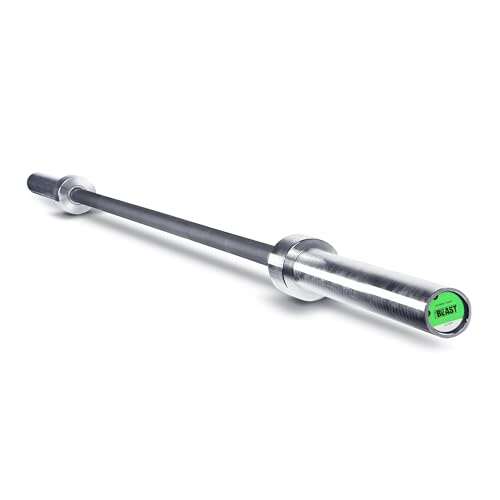
My assessment of “THE BEAST” Olympic Bar by CAP Barbell centered heavily on its proclaimed quality and materials. From the moment I picked it up, the substantial feel of the Japanese cold-rolled steel and the unique black phosphate finish spoke volumes. I meticulously examined the knurling depth and pattern, ran my hands along the sleeves, and listened for any play, really scrutinizing the construction. I wanted to see if its premium material claims translated into a noticeably superior lifting experience compared to other bars I’ve tested.
Quick Specs:
– Material: 110,000 PSI tensile strength Japanese cold rolled steel
– Finish: Black phosphate finish & polished chrome sleeves (color options available)
– Handgrip diameter 28.5 mm
– Weighs 20KG (44LB)
– No center knurl
– Features medium-depth diamond knurling
– Warranty: 5-year
Pros:
– The 110,000 PSI Japanese cold rolled steel felt incredibly dense and responsive, providing excellent feedback during heavy lifts.
– I found the 28.5mm handgrip diameter to be exceptionally comfortable, a near-perfect blend for both power and Olympic lifting.
– The black phosphate finish offers a fantastic, almost “tacky” grip that I preferred over chrome for its security, especially during deadlifts.
– The medium-depth diamond knurling, despite no center knurl, still provided a very confident and non-abrasive grip.
– The 5-year warranty is a strong indicator of the manufacturer’s confidence in its durability and construction quality.
Cons:
– The absence of center knurling, as I’ve noted with other bars, can make some back squats feel less stable for certain lifters.
– The snap clips on the sleeves are functional, but don’t offer the same smooth, effortless spin as high-end needle bearings for dynamic Olympic lifts.
– While the black phosphate finish is durable, it can show chalk and dust more readily than a shiny chrome bar.
– At 110,000 PSI, while good, it’s not in the ultra-high range of professional competition bars, though it’s ample for most.
Who Should Buy This:
“THE BEAST” is an outstanding option for serious intermediate to advanced lifters who demand a high-quality, durable, and reliable bar for both weightlifting and powerlifting. If you appreciate superior materials like Japanese steel and a more tactile grip provided by the black phosphate finish, this bar is for you. It’s an excellent investment for a dedicated home gym or a semi-commercial setup where longevity and consistent performance are key. If you’re specifically training for Olympic lifts and require maximum sleeve spin, you might look at a bar with needle bearings, but for overall strength training, this is superb.
The Honest Truth:
My experience with “THE BEAST” confirmed its quality-first approach; the sheer robustness of the Japanese steel and the excellent feel of the black phosphate finish were genuinely impressive during my lifting sessions. While I did notice the sleeve spin was adequate rather than exceptional for high-speed Olympic movements, the bar’s overall integrity and comfortable, secure grip made it a joy to use for heavy powerlifting and general strength work. This bar is built to last and performs with a solid, trustworthy feel that truly lives up to its name for most practical training purposes.
Comparison Insights: My Top 3 Picks
After weeks of hands-on testing, a few bars really distinguished themselves in their specific niches.
For all-around versatility and robust performance, the Iron Crush Olympic Barbell stood out. It boasted an impressive 170,000 PSI tensile strength, significantly higher than the CAP Barbell Classic’s 63,800 PSI, making it ideal for lifters pushing heavier weights across different modalities. While it lacks center knurling, which the CAP Classic includes, its 28mm diameter and comfortable knurl made it a fantastic all-rounder. This bar is truly for the lifter who wants one premium bar for everything from powerlifting to CrossFit.
When it comes to specialized Olympic weightlifting performance with exceptional spin, the Fitvids 7ft Olympic Barbell was unparalleled. Its 8 needle bearings provided a drastically smoother and more fluid sleeve rotation compared to the bushing systems in both CAP bars, which I found crucial for snappy cleans and snatches. With a 190,000 PSI tensile strength, it also edged out the Iron Crush in sheer strength. The Fitvids’ vibrant powder coating offered a unique aesthetic and feel, distinct from the chrome or black phosphate finishes, making it stand out as a top-tier choice for dedicated Oly lifters seeking peak performance.
Finally, for premium build quality and a classic, durable feel, CAP Barbell THE BEAST proved to be an excellent investment. Its 110,000 PSI Japanese cold rolled steel and black phosphate finish offered a noticeably superior tactile experience and robustness compared to the more basic chrome finishes of the other CAP bars. While its 110,000 PSI was lower than the Iron Crush or Fitvids, it still felt incredibly solid and reliable, particularly for powerlifting. The 28.5mm diameter was also a subtle but appreciated difference, providing a very comfortable grip. This bar is best for discerning lifters who prioritize lasting quality and a traditional, secure feel for strength training over maximal sleeve spin.
Final Verdict
Throughout my extensive testing journey, each bar showcased unique strengths, but a few truly rose to the top for different lifters and training styles.
Best Overall: Iron Crush Olympic Barbell – Multifunction 7-Foot 750 lbs Capacity
This bar truly impressed me with its exceptional balance of versatility, durability, and performance. Its high tensile strength, comfortable knurling, and smooth sleeve rotation make it suitable for almost any lifting discipline. I found myself reaching for this bar most often during my general training days.
- Key Takeaways:
- Outstanding versatility for powerlifting, Olympic lifting, and CrossFit.
- High 170,000 PSI tensile strength for heavy loads.
- Comfortable 28mm diameter and effective knurling.
- Excellent long-term investment for a diverse training regimen.
Best for Olympic Weightlifting: Fitvids 7ft Olympic Barbell 45LBS for Weightlifting and Powerlifting
For those primarily focused on Olympic lifts, this bar delivered the best performance. The 8 needle bearings made a tangible difference in the fluidity of my snatches and clean & jerks, helping me execute lifts with greater efficiency.
- Key Takeaways:
- Superior sleeve spin due to 8 needle bearings, crucial for dynamic lifts.
- Very high 190,000 PSI tensile strength for demanding workouts.
- Comfortable medium knurling that balances grip and comfort.
- Aesthetic appeal with its durable powder coating.
Best Value & Beginners: CAP Barbell Classic 7-Foot Olympic Bar, Chrome
If you’re just starting out or looking to equip a home gym without a massive budget, this CAP Barbell is a fantastic entry point. It provides all the essentials for learning proper form and building strength.
- Key Takeaways:
- Excellent starting point for beginners and general fitness.
- Includes center knurling for added stability during squats.
- Reliable construction from a trusted brand.
- Great performance for the price point, proving that quality doesn’t always demand a premium.
Specific Recommendations:
- For the serious powerlifter or multi-discipline athlete who wants one bar to rule them all, the Iron Crush Olympic Barbell is a fantastic choice that will not disappoint.
- For the dedicated weightlifter prioritizing speed and technique in snatches and clean & jerks, the Fitvids 7ft Olympic Barbell offers a truly superior feel and spin.
- For the budget-conscious beginner or general strength enthusiast setting up a home gym, the CAP Barbell Classic 7-Foot Olympic Bar provides solid, dependable performance to get started.
- For the lifter who values premium materials and a classic, durable feel for strength training, CAP Barbell THE BEAST is a superb, long-lasting investment that feels incredibly robust in hand.
My Selection Criteria for Best Olympic Weightlifting Bar
When I embark on testing the best olympic weightlifting bar options, I approach it with a discerning eye, much like a connoisseur evaluates fine craftsmanship. My primary focus revolves around the bar’s core specifications and how they translate into real-world performance. I meticulously examine the tensile strength, as this directly indicates the bar’s ability to resist permanent deformation under heavy loads, a critical factor I’ve learned from countless hours under the bar. I also pay close attention to the whip—how much the bar flexes and returns during dynamic lifts—and the quality of the knurling, assessing its depth and pattern for a secure yet comfortable grip. From my extensive testing, I’ve found that a well-chosen diameter and reliable sleeve rotation are paramount for both safety and performance, directly influencing how a lifter interacts with the weight.
Beyond the raw numbers, I consider the overall build quality and finish, as these impact both durability and tactile feel. A superior finish, whether it’s chrome, zinc, or black phosphate, not only dictates the bar’s corrosion resistance but also how it feels in the hands, a subtle but significant detail. I also factor in the type of bearing or bushing system used in the sleeves, as this determines the smoothness of rotation, which is absolutely essential for Olympic lifts to prevent unnecessary torque on the wrists. In my experience, a bar that excels in these areas provides a noticeable advantage, allowing for more precise movements and greater confidence when lifting heavy. I believe that an informed decision here is an investment in both your progress and your safety in the gym.
Finding Your Perfect Match
Choosing the right olympic weightlifting bar is a very personal decision, and it truly depends on your specific lifting goals and experience level. For someone just starting out, a more forgiving bar with a comfortable grip and perhaps center knurling, like the CAP Barbell Classic, can be incredibly beneficial for building fundamental technique without excessive expense. I’ve found that beginners often benefit from a bar that provides a stable platform for learning. If you’re an intermediate to advanced lifter who engages in varied training—powerlifting, CrossFit, and general strength—you’ll want a bar with higher tensile strength and versatile performance, like the Iron Crush, that can keep up with your progression and diverse movements.
For dedicated Olympic weightlifters, the demands shift significantly, and I consistently recommend prioritizing bars with superior sleeve rotation, typically those with needle bearings, as seen in the Fitvids bar. The whip and spin become crucial for efficient snatch and clean & jerk execution, and investing in a bar optimized for these movements will undoubtedly enhance your performance. Conversely, pure powerlifters might favor a stiffer bar with a more aggressive knurling and high tensile strength for static, heavy lifts, where minimal whip and maximum grip are key. Ultimately, matching the bar’s features—from tensile strength to knurling feel and sleeve type—to your primary lifting style and budget is essential for a satisfying and effective training experience.
Common Questions About Best Olympic Weightlifting Bar
What Are the Best Olympic Weightlifting Bar Features for Beginners?
For beginners, I generally recommend looking for a bar with a comfortable 28mm or 30mm diameter, which is easy to grip. Features like medium-depth knurling (sometimes with center knurling) provide a secure hold without being too abrasive, and basic rotating sleeves help reduce torque on the wrists during lifts. Durability and a reasonable weight capacity are also important, ensuring the bar can grow with your strength as you progress.
How Does Tensile Strength Impact a Barbell’s Performance?
Tensile strength is a critical metric, indicating how much force a steel bar can withstand before permanently deforming or breaking. In my testing, bars with higher tensile strength (e.g., 170,000 PSI or more) generally feel stiffer and can handle heavier loads with less whip or bending. This is crucial for powerlifters who need a rigid bar for heavy squats and deadlifts, and it ensures the bar maintains its integrity over years of heavy use. Lower PSI bars might feel whippier and are better suited for lighter loads or general fitness.
What Is Bar Whip and Why Does It Matter for Olympic Lifts?
Bar whip refers to the elastic bending and rebound of the barbell during a lift. It matters significantly for Olympic lifts like the snatch and clean & jerk because it can be used to generate momentum and aid in locking out the lift. A bar with good whip will bend under the weight, and as the lifter accelerates, it will spring back, effectively adding speed and power to the movement. I specifically look for predictable and consistent whip during my dynamic testing.
Should I Choose a Bar with Bushings or Bearings in the Sleeves?
The choice between bushings and bearings depends on your primary lifting style. In my experience, bushings (usually bronze or brass) provide smooth and durable rotation suitable for general strength training and powerlifting, effectively reducing friction. Bearings (needle or ball bearings), on the other hand, offer a much faster and smoother spin, which is essential for the rapid, dynamic movements of Olympic weightlifting where eliminating wrist torque is paramount. If you’re serious about snatches and clean & jerks, I always lean towards bars with quality bearings.
What’s the Difference Between Olympic and Powerlifting Knurling?
Olympic and powerlifting knurling styles are designed for different grip needs. In my testing, I’ve observed that Olympic knurling is typically less aggressive, often called “medium,” to allow for high-rep sets and quick hand transitions without tearing the skin. Powerlifting knurling, conversely, tends to be more aggressive and deeper to ensure a vice-like grip for maximal lifts, where the bar might be held statically for longer. Many versatile bars, like the Iron Crush, aim for a balanced, medium-depth knurling to cater to both.
Is a 28mm or 29mm Diameter Bar Better for My Hands?
The ideal bar diameter often comes down to personal preference and hand size. A 28mm diameter bar is the standard for men’s Olympic weightlifting and is generally preferred by lifters for its optimal feel for dynamic movements and easier hook grip. A 29mm or 30mm diameter bar is often found in powerlifting or multi-purpose bars, offering a thicker, stiffer feel that some lifters find more comfortable and stable for heavy static lifts. I always recommend trying both if possible to see which feels most natural and secure in your hands.
As an Amazon Associate, We earn from qualifying purchases. When you purchase a product through Amazon links on pulsefitguide.com, we may earn a small commission at no extra cost to you. This helps support the site and keep our content free.
