


Cardio is your go-to workout for boosting your overall health and energy levels. It helps improve heart health, burn calories, and increase endurance, making everyday activities easier and more enjoyable. Whether you’re aiming to lose weight, get fitter, or just feel more lively, cardio can be a game-changer.
In short, cardio primarily benefits your cardiovascular system by strengthening your heart and lungs, aiding weight management, and improving mood. It’s a versatile exercise that not only enhances physical health but also boosts mental well-being.
Thinking about where cardio can make the biggest difference? Well, it’s fantastic for your heart health, weight loss, stamina, and mental clarity. Whether you’re running, cycling, swimming, or even brisk walking, cardio is essential for maintaining a healthy, active lifestyle. It’s accessible, effective, and adaptable to fit your goals.

Where Does Cardio Help? Exploring the Benefits of Aerobic Exercise
Introduction to Cardio and Its Importance
Cardio, short for cardiovascular exercise, refers to activities that increase your heart rate and get your blood flowing. It includes exercises like running, cycling, swimming, and brisk walking. Engaging in cardio regularly can bring numerous health improvements, making it a key part of any fitness routine.
Cardio and Heart Health
One of the biggest benefits of cardio is improving heart health. It strengthens your heart muscle, allowing it to pump blood more efficiently. Regular cardio can also lower blood pressure, reducing the risk of heart disease and stroke.
Studies show that consistent aerobic activity helps raise good cholesterol levels (HDL) and lower bad cholesterol (LDL), which keeps arteries clear. This leads to healthier blood flow and less chance of blockages.
Where Does Cardio Help in Weight Management?
Burning Calories and Fat Loss
Cardio is very effective for burning calories and helping with weight loss. When you do aerobic activities, your body uses stored fat and carbohydrates for energy. This helps reduce overall body fat over time.
Boosting Metabolism
Regular cardio workout increases your resting metabolic rate, meaning you burn more calories even when resting. This is beneficial for maintaining a healthy weight or losing excess pounds.
Supporting Muscle Toning
While cardio primarily targets fat loss, it also helps tone muscles, especially in the legs, core, and arms. This creates a leaner appearance and improves muscle endurance.
Enhancing Lung Capacity and Respiratory Function
Cardio activities improve lung capacity by encouraging deeper breaths and better oxygen exchange. Over time, your lungs become more efficient at delivering oxygen to your muscles and organs.
This is particularly advantageous for those with respiratory issues or athletes looking to boost endurance during physical activity.
Cardio and Mental Wellbeing
Reducing Stress and Anxiety
Engaging in aerobic exercise releases endorphins, which are the body’s natural mood lifters. This can help lower stress, anxiety, and feelings of depression.
Improving Sleep Quality
Regular cardio can promote better sleep by reducing stress levels and helping regulate your sleep patterns. Good sleep is essential for overall health and recovery.
Boosting Brain Function
Aerobic activities increase blood flow to the brain, supporting cognitive functions like memory, attention, and mental clarity. This benefit can help both children and adults stay sharp and focused.
Cardio’s Role in Disease Prevention
Managing Diabetes
Cardio helps control blood sugar levels by improving insulin sensitivity. It can be a key part of managing or preventing type 2 diabetes.
Supporting Immune Function
Regular aerobic exercise can strengthen your immune system, helping your body fight off infections more effectively.
Reducing Cancer Risk
Research suggests that consistent cardio activity may lower the risk of certain cancers such as breast, colon, and prostate cancer. It helps reduce inflammation and supports overall body health.
Where Does Cardio Help in Improving Physical Fitness?
Building Endurance and Stamina
Cardio workouts challenge your cardiovascular system, increasing endurance and stamina. This allows you to perform daily activities more easily without getting tired.
Enhancing Recovery and Flexibility
Light cardio activities like walking or swimming can promote healing after injury or intense workouts. They also help keep muscles flexible and reduce stiffness.
Supporting Bone Health
Impact-based cardio such as running and jumping stimulates bone density, reducing the risk of osteoporosis and fractures.
Where Does Cardio Help in Managing Chronic Conditions?
Arthritis and Joint Health
Low-impact cardio activities like swimming or cycling reduce joint stress while maintaining mobility. They can alleviate arthritis symptoms and promote joint health.
Blood Pressure Control
Regular aerobic exercise helps keep blood pressure within healthy ranges, lowering the chance of hypertension-related complications.
Supporting Mental Health Disorders
Cardio has been shown to improve symptoms of depression, anxiety, and other mental health issues by releasing mood-enhancing chemicals.
Choosing the Right Cardio Activities for Different Goals
Beginners and Beginners-Friendly Options
- Walking briskly around your neighborhood
- Riding a bicycle at a leisurely pace
- Swimming laps at your local pool
Advanced and High-Intensity Workouts
- Running or sprinting
- HIIT (High-Intensity Interval Training)
- Rowing or cycling sprints
Balancing Cardio with Other Exercises
For a well-rounded fitness routine, combine cardio with strength training and flexibility exercises like yoga or stretching. This approach offers the best overall health benefits.
Safety Tips for Effective Cardio Workouts
- Start gradually and increase intensity over time.
- Wear comfortable, supportive shoes to avoid injuries.
- Stay hydrated before, during, and after exercise.
- Warm up before and cool down after your workout sessions.
- Listen to your body and avoid overexertion, especially if you have existing health conditions.
Engaging in cardio exercises offers a wide range of health benefits, from improving heart and lung health to enhancing mental wellbeing and aiding weight management. It also plays a vital role in disease prevention, physical fitness, and managing chronic conditions. Whether you prefer walking, cycling, swimming, or running, incorporating regular aerobic activity into your routine can help you stay healthy, energized, and active for years to come.
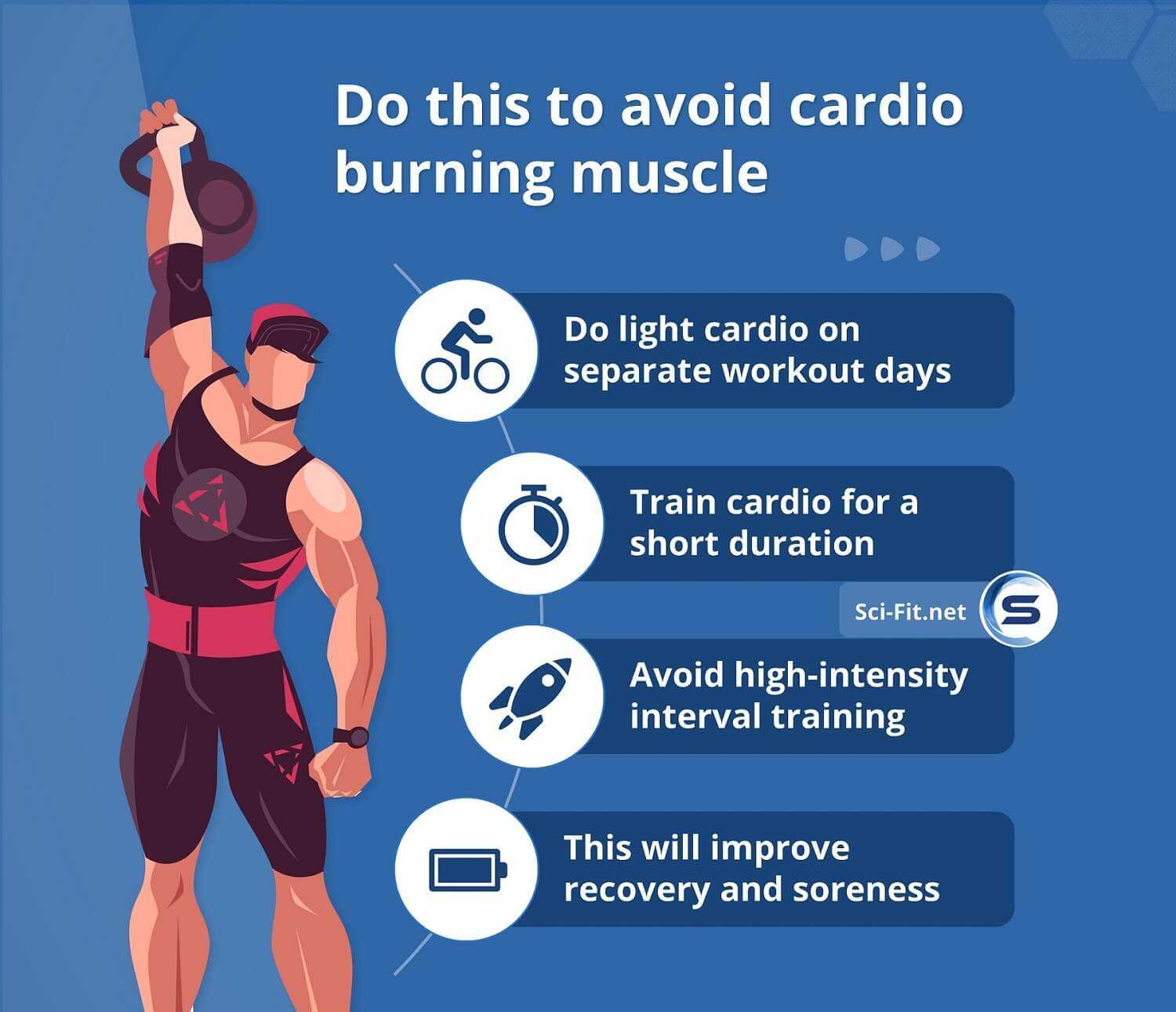
How To Do Cardio (Without Losing Muscle)
Frequently Asked Questions
How does cardio improve cardiovascular health?
Cardio exercises strengthen the heart muscle, making it more efficient at pumping blood throughout the body. This increases overall circulation, reduces blood pressure, and lowers the risk of heart-related diseases. Regular cardio activity helps maintain healthy cholesterol levels, reducing plaque buildup in arteries.
In what ways does cardio support mental well-being?
Engaging in cardio workouts releases endorphins, which are natural mood boosters. It reduces stress levels, alleviates symptoms of anxiety and depression, and enhances overall mental clarity. Consistent cardio practice also promotes better sleep patterns and boosts confidence.
How does cardio contribute to weight management?
Cardio burns calories effectively, helping to create a calorie deficit necessary for weight loss. It increases your metabolic rate during and after exercise, aiding in the reduction of body fat. Incorporating cardio into your routine supports long-term weight maintenance and improves body composition.
What role does cardio play in boosting respiratory function?
Cardio activities strengthen the lungs and improve their capacity to take in oxygen and expel carbon dioxide. This results in better respiratory efficiency, making it easier to breathe during daily activities and physical exertion. Over time, it can help increase stamina and reduce breathlessness.
Can cardio help improve joint flexibility and reduce pain?
Low-impact cardio exercises, like walking or swimming, gently move your joints, increasing flexibility and decreasing stiffness. These activities can strengthen muscles around joints, providing additional support and reducing pain in conditions such as arthritis. Regular movement also promotes better joint health over time.
Final Thoughts
Cardio offers numerous health benefits, improving heart health, increasing stamina, and boosting mental well-being. It helps burn calories and manages weight effectively. Engaging in regular cardio exercises also reduces the risk of chronic illnesses like diabetes and hypertension.
where does cardio help, it primarily benefits your cardiovascular system and overall energy levels. Incorporating cardio into your routine enhances your daily quality of life and long-term health.
As an Amazon Associate, We earn from qualifying purchases. When you purchase a product through Amazon links on pulsefitguide.com, we may earn a small commission at no extra cost to you. This helps support the site and keep our content free.
