


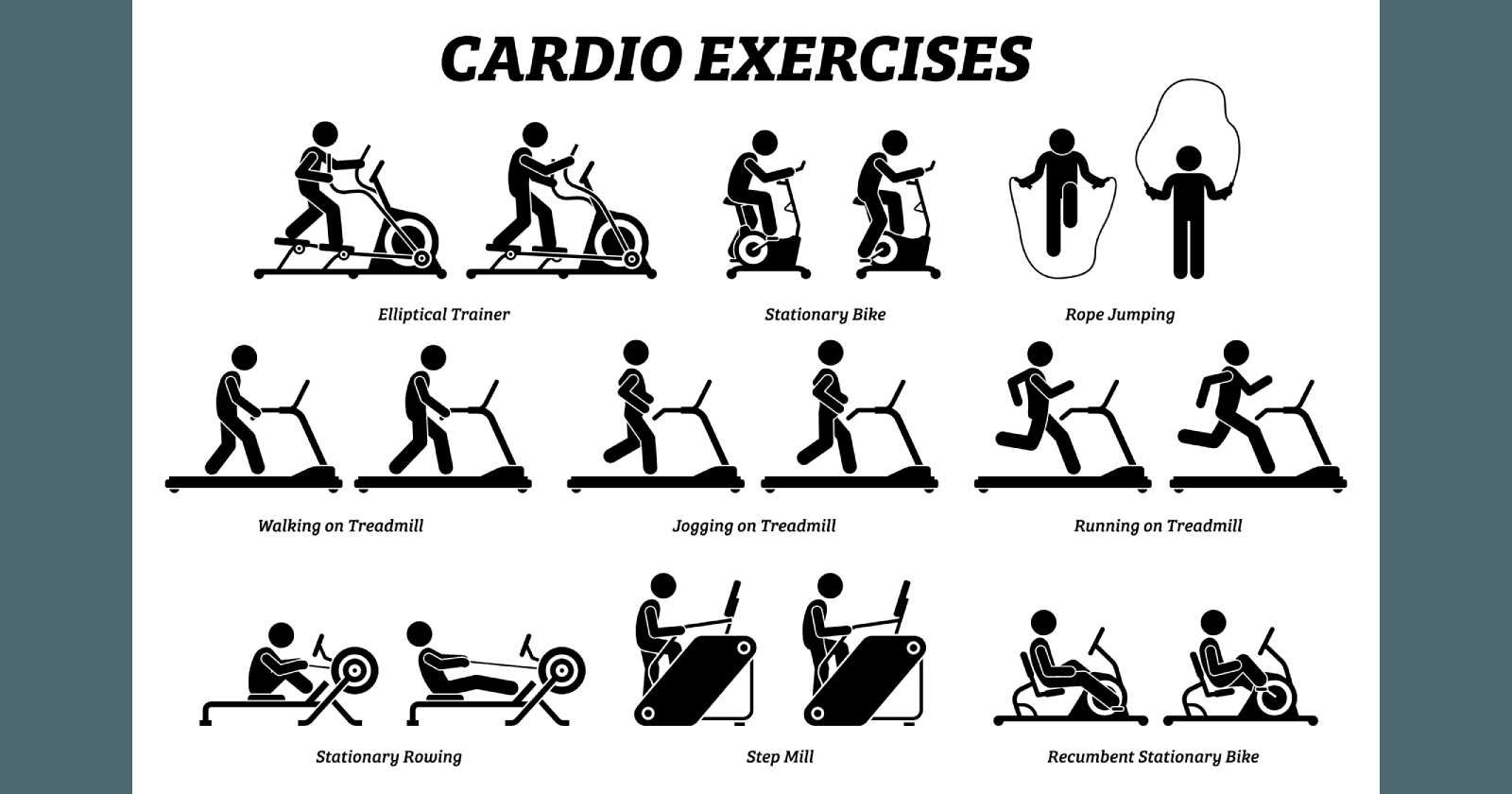
The best cardio for fat loss is high-intensity interval training (HIIT) because it burns more calories in less time and boosts your metabolism long after your workout. Incorporating a mix of cardio intensities can lead to efficient fat burning and improved fitness. Ultimately, the most effective cardio is the one you enjoy and can stick with consistently.
If you’re aiming to shed fat, opting for fast-paced, varied workouts such as HIIT or circuit training can maximize results. These methods elevate your heart rate quickly, burn calories effectively, and keep your metabolism high even after you finish exercising. While steady-state cardio like jogging or cycling has its benefits, high-intensity routines tend to produce faster fat-loss results, especially when paired with a balanced diet. The key is to choose a cardio workout that challenges you without making exercise feel like a chore, ensuring you’ll stay motivated and committed to your fat loss journey.

Which Cardio Is Best for Fat Loss
Understanding Cardio and Its Role in Fat Loss
Cardio exercises increase your heart rate and help burn calories, which is essential for losing fat. Different types of cardio target fat loss in unique ways. Choosing the best cardio depends on your fitness level, goals, and preferences.
Low-Intensity Steady-State Cardio (LISS)
LISS involves maintaining a consistent low to moderate pace for an extended period. Activities like walking, slow cycling, or swimming are common options. This type of cardio is easy to do and less stressful on your joints.
Benefits of Low-Intensity Cardio
- Burns fat efficiently over longer sessions
- Less fatigue and muscle soreness
- Ideal for beginners or those with joint issues
Limitations of LISS
While effective for fat burning, it might take longer to see results compared to higher-intensity workouts. It’s best combined with other exercise types for optimal weight loss.
High-Intensity Interval Training (HIIT)
HIIT involves short bursts of high effort followed by rest or low-intensity periods. Exercises like sprinting, jumping jacks, or burpees are typical. This method maximizes calorie burn in a shorter time.
Benefits of HIIT
- Boosts metabolism long after workout ends
- Quick and effective for fat reduction
- Builds cardiovascular fitness rapidly
Limitations of HIIT
It can be challenging for beginners or those with joint problems. Proper form and recovery are vital to avoid injuries.
Choosing Between LISS and HIIT
Both methods promote fat loss but suit different needs. LISS is better for beginners or those seeking a low-impact routine. HIIT suits people looking for quick results and improved fitness.
Other Cardio Options for Fat Loss
In addition to LISS and HIIT, other exercises help shed fat effectively.
Jump Rope
Jumping rope is a high-intensity activity that improves coordination and burns calories fast. It can be part of HIIT sessions or a standalone workout.
Rowing
Rowing provides a full-body workout targeting muscles and burning calories. It’s low-impact but effective for fat reduction.
Sprint Intervals
Sprinting is a vigorous form of cardio that burns a high number of calories in a short period. Incorporate sprints into your routine for quick fat loss.
Factors Influencing Cardio Effectiveness
Several elements determine how well cardio aids fat loss.
Duration and Intensity
Longer, moderate workouts burn fat steadily. Short, intense sessions increase metabolism and calorie burn.
Frequency
Consistency is key. Aim for at least three to five cardio sessions weekly for sustainable fat loss.
Nutrition
Fuel your body with proper nutrition. Combining cardio with a balanced diet maximizes fat burning.
Sample Weekly Cardio Plan for Fat Loss
Here’s an example schedule combining various cardio types:
- Monday: 30 minutes of brisk walking (LISS)
- Wednesday: 20 minutes of HIIT with sprints and jumping rope
- Friday: 40 minutes of cycling at moderate intensity
- Sunday: 30 minutes of swimming or rowing
Tips to Maximize Fat Loss with Cardio
– Incorporate variety to keep workouts interesting and target different muscles.
– Gradually increase intensity and duration over time.
– Pair cardio with strength training for better muscle preservation and fat loss.
– Stay hydrated and listen to your body to prevent injuries.
– Ensure adequate rest and recovery between sessions.
Monitoring Progress
Track your workouts, diet, and body measurements to see improvements. Use habits like journaling or fitness apps for motivation and accountability. Adjust your routine based on results and how your body responds.
The Importance of Consistency
Consistent cardio workouts lead to steady fat loss. Set realistic goals and stay committed. Remember, sustainable changes produce long-term results.
Choosing the best cardio for fat loss depends on your preferences, goals, and physical condition. Both low-intensity steady-state and high-intensity interval training offer proven benefits. Combining these methods and maintaining consistency will help you reach your fat loss goals effectively. Incorporate variety, track your progress, and stay motivated to enjoy the journey toward a healthier, leaner body.
The BEST Way to Use Cardio to Lose Fat (Based on Science)
Frequently Asked Questions
How does intensity affect the effectiveness of cardio for fat loss?
Higher intensity cardio sessions burn more calories in a shorter amount of time, which can lead to faster fat loss. Engaging in interval training or high-effort workouts challenges your body and increases post-exercise calorie burn. However, it’s important to balance intensity with your fitness level to prevent injury and ensure sustainable progress.
Is it better to do prolonged or shorter cardio sessions for fat reduction?
Longer, moderate-intensity cardio helps burn a larger total number of calories during the workout, which can support fat loss over time. Shorter, high-intensity sessions often boost metabolism more after exercise, contributing to fat burning as well. Combining both approaches can maximize results, depending on your schedule and fitness goals.
Which forms of cardio are low-impact but effective for fat loss?
Activities like swimming, cycling, and rowing provide excellent low-impact options that reduce stress on your joints while still helping you burn calories. Incorporating these into your routine ensures consistent workouts without discomfort, making it easier to stick with your plan for fat reduction.
Does adding variety to cardio workouts improve fat loss results?
Yes, varying your cardio exercises prevents workout boredom and challenges different muscle groups. This diversity can keep your metabolism active and encourage continuous progress. Mixing activities like running, walking, cycling, or dance helps maintain motivation and enhances overall fat-burning efficiency.
Final Thoughts
which cardio is best for fat loss depends on individual preferences and goals. High-Intensity Interval Training (HIIT) burns calories quickly and boosts metabolism after exercise. Steady-state cardio, like running or cycling, improves endurance and burns fat over time. Choose the type you enjoy most to stay consistent and see results.
As an Amazon Associate, We earn from qualifying purchases. When you purchase a product through Amazon links on pulsefitguide.com, we may earn a small commission at no extra cost to you. This helps support the site and keep our content free.
