


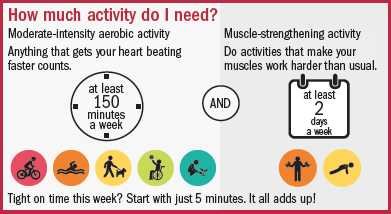
Looking to understand who should follow cardio guidelines and how they can benefit you? Cardio guidelines are designed to help individuals achieve optimal heart health through tailored exercise recommendations based on age, health status, and fitness goals. These guidelines offer practical advice on the right amount and intensity of aerobic activity to reduce risks of cardiovascular disease and improve overall well-being. Whether you’re a healthy adult, someone with existing health conditions, or an athlete, knowing who these guidelines apply to ensures you’re exercising safely and effectively. In essence, cardio guidelines are a personalized roadmap to maintaining a healthy heart, emphasizing the importance of regular activity and a balanced lifestyle to boost longevity and quality of life.
If you’re wondering about who should follow cardio guidelines, they are generally recommended for everyone, but especially for adults aiming to prevent heart disease, improve stamina, or manage health conditions such as hypertension or diabetes. Following these guidelines helps customize your workouts to suit your needs, ensuring you get the most benefit without risking injury or overexertion. By understanding who needs these recommendations, you can make smarter decisions about incorporating cardio exercises into your daily routine for better heart health and overall vitality.

Understanding Who Cardio Guidelines Are and Why They Matter
Who cardio guidelines provide recommendations on how to exercise safely and effectively for heart health. They are created by health organizations to help people improve their fitness levels responsibly. Following these guidelines can reduce the risk of heart disease and boost overall well-being.
These guidelines are important for everyone, from beginners to seasoned athletes. They serve as a clear blueprint for how much and what kind of cardio exercise should be performed. In this article, we will explore who these guidelines are meant for, what they include, and how to apply them to your routine.
Who Developed the Cardio Guidelines?
Major health organizations like the American Heart Association and the World Health Organization develop cardio guidelines. These groups base their recommendations on scientific research and expert consensus. Their goal is to promote heart health for all populations.
They update their guidelines regularly to reflect new evidence and best practices. By following these standards, individuals can exercise safely while maximizing health benefits. The collaboration among experts ensures the guidelines are both practical and effective.
Target Audience for Cardio Guidelines
The guidelines are designed for a broad range of people, including children, adults, and seniors. They address different needs based on age, health status, and fitness level. Whether you are healthy or managing chronic conditions, there are recommendations suitable for you.
Special attention is given to high-risk groups such as those with heart disease, diabetes, or obesity. The guidelines aim to provide tailored advice to support improved health outcomes for everyone. They emphasize gradual progression to avoid injury or overexertion.
Who Should Pay Attention to Cardio Guidelines?
Anyone interested in maintaining or improving heart health should review and follow cardio guidelines. This includes people starting a new exercise routine or those seeking to enhance their current fitness level. They are beneficial for individuals of all ages and activity backgrounds.
People with existing health conditions should consult healthcare providers before starting new exercises. This ensures the routines align with their individual health needs. Overall, these guidelines serve as a foundation for safe and effective physical activity.
What Are the Main Components of the Cardio Guidelines?
The core elements include recommended duration, frequency, intensity, and types of aerobic activities. These components help structure a balanced and effective cardio workout plan. Proper understanding ensures you get the most health benefits and avoid injury.
Let’s explore each component in detail to see how they work together to create safe exercise routines.
Duration and Frequency
The guidelines recommend at least 150 minutes of moderate-intensity aerobic exercise per week. This can be divided into sessions of about 30 minutes, five days a week. Alternatively, 75 minutes of vigorous-intensity exercise is advised weekly, spread across several days.
For additional health benefits, individuals can aim for 300 minutes of moderate-intensity activity weekly. Consistency is key, so spreading workouts throughout the week helps maintain momentum and motivation.
Intensity Level
Exercise intensity is described as how hard your body works during activity. Moderate intensity makes you breathe faster but still allows you to talk comfortably. Vigorous intensity causes faster breathing and makes talking difficult.
Monitoring intensity can be done using tools like the talk test or heart rate zones. Keeping within recommended intensity levels ensures you gain health benefits without overexerting yourself.
Types of Aerobic Activities
Common aerobic exercises include walking, jogging, cycling, swimming, and dancing. These activities elevate your heart rate and improve cardiovascular fitness. The guidelines encourage choosing activities you enjoy to stay motivated.
A variety of exercises helps prevent boredom and targets different muscle groups. Incorporating both moderate and vigorous activities provides a balanced approach to fitness.
Additional Recommendations for Special Groups
Older adults are advised to include balance and strength exercises alongside cardio routines. This combination supports joint health and reduces fall risk. For those with chronic health issues, low-impact activities like swimming or walking are preferable.
Pregnant women should consult healthcare providers for tailored exercise plans. Modifying intensity and duration ensures safety during pregnancy. Overall, the guidelines are flexible to accommodate individual health and fitness levels.
Importance of Progression and Personalization
Starting slowly and gradually increasing activity prevents injuries and discouragement. Personalization ensures your workout matches your fitness level, age, and health status. Listening to your body helps adapt the routine for optimal results.
Tracking progress can motivate continued effort and help set realistic goals. Remember, consistency and patience are essential for long-term health benefits.
Role of Lifestyle and Additional Habits
Combining cardio with other healthy habits amplifies benefits. Balanced nutrition, adequate sleep, and stress management support heart health. Staying active beyond scheduled workouts—like walking more or taking stairs—also matters.
Adopting a holistic approach enhances overall wellness and makes regular exercise more sustainable. Small lifestyle changes contribute significantly over time.
Use of Technology and Tools
Heart rate monitors, fitness apps, and pedometers help track performance and adherence. These tools make monitoring exercise intensity and duration easier and more accurate. They also provide motivation through progress reports.
Using wearable technology can help stay on track and ensure you meet recommended activity levels. This supports accountability and encourages consistency in your routine.
Summary of Who Cardio Guidelines Are For
In summary, these guidelines are meant for anyone who wants to improve or maintain heart health safely. They are adaptable to different age groups, health conditions, and fitness levels. Following them helps build a routine that promotes long-term wellness.
Whether you are a beginner or an experienced exerciser, understanding and applying the recommendations ensures you get the maximum benefit with minimal risk. Remember, the goal is to stay active, have fun, and keep your heart healthy.
How Much Exercise Should You Get Each Week (According to the Research)?
Frequently Asked Questions
What are the primary recommendations for moderate-intensity cardio exercises based on WHO guidelines?
The WHO recommends engaging in at least 150 minutes of moderate-intensity aerobic activity each week. This includes activities like brisk walking, cycling, or swimming. The goal is to increase your heart rate and breathing while still being able to speak comfortably during the exercise. Spreading these sessions throughout the week helps maintain cardiovascular health and overall well-being.
How often should individuals perform cardio activities to align with WHO standards?
The guidelines suggest exercising most days of the week, ideally five days or more. Each session should last around 30 minutes of moderate activity. This consistent routine supports cardiovascular function, reduces health risks, and promotes steady fitness progress.
Are there specific intensity levels recommended by WHO for cardio workouts?
Yes, the WHO advises performing exercises at a moderate intensity where you feel like you are working but can still speak comfortably. This level typically raises your heart rate to 50-70% of your maximum. Monitoring your breathing and heart rate helps ensure you’re exercising within the recommended intensity zone for optimal health benefits.
Can people with specific health conditions follow WHO cardio guidelines safely?
Individuals with existing health issues should consult healthcare professionals before starting any new exercise regimen. The WHO recommends adapting activity levels based on personal health status and gradually increasing intensity and duration. Supervised activities or tailored programs can help ensure safety while still gaining cardiovascular benefits.
What types of activities are considered suitable for meeting WHO cardio recommendations?
Suitable activities include brisk walking, running, cycling, swimming, dancing, and aerobic classes. These exercises elevate heart rate and breathing and can be easily integrated into daily routines. Choosing enjoyable activities increases the likelihood of maintaining consistent exercise habits.
Final Thoughts
The conclusion highlights that who cardio guidelines are designed to help individuals improve their health safely and effectively. These guidelines provide clear recommendations on frequency, intensity, and duration of exercise suitable for various age groups and fitness levels. Following these guidelines ensures a balanced approach to cardiovascular health. Ultimately, understanding who cardio guidelines are for helps people make informed decisions and stay motivated on their fitness journey.
As an Amazon Associate, We earn from qualifying purchases. When you purchase a product through Amazon links on pulsefitguide.com, we may earn a small commission at no extra cost to you. This helps support the site and keep our content free.
