


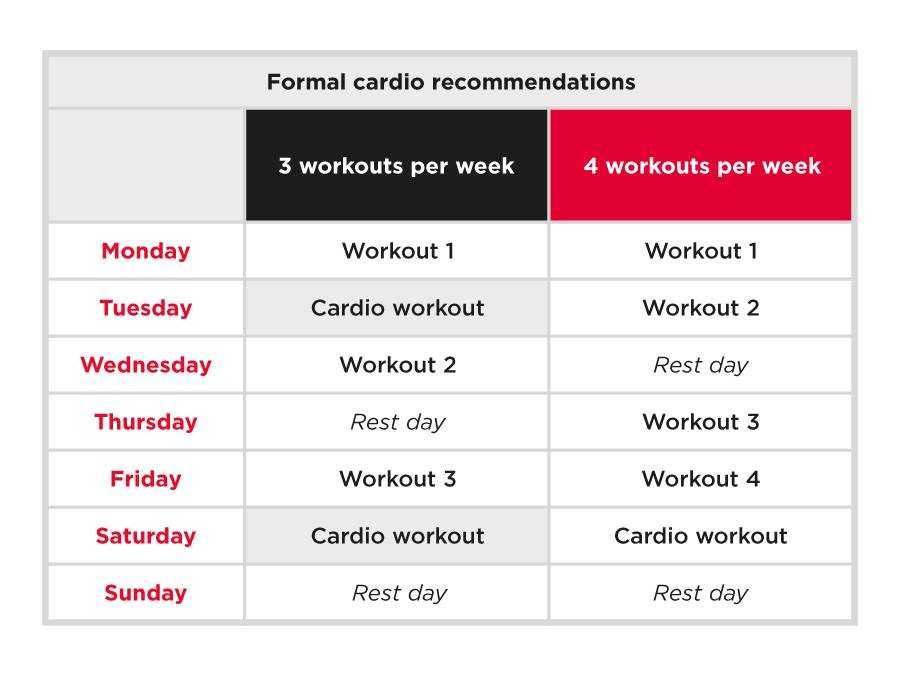
To stay healthy and energized, most adults should aim for about 150 minutes of moderate-intensity cardio every week. This usually translates to roughly 30 minutes, five times a week, which balances effort and recovery perfectly. Incorporating cardio into your routine helps boost heart health, burn calories, and improve mood effectively.
Engaging in cardio activities multiple times a week is essential for maintaining overall well-being. The key is to find a routine that fits your lifestyle and fitness level, whether it’s brisk walking, cycling, or dancing. Consistency is more important than intensity, so aim for regular sessions that keep your heart active without overexerting yourself. By following tailored recommendations, you can enjoy the benefits of cardio while making it a sustainable part of your weekly schedule.

Who Should Do Cardio Per Week? How Much Cardio Is Right for You?
Understanding who should do cardio each week is key to maintaining good health. Not everyone needs the same amount of exercise, so it’s important to find what works best for your body. In this article, we explore how much cardio is recommended for different people and why it matters.
What Is Cardio and Why Is It Important?
Cardio, short for cardiovascular exercise, helps your heart and lungs work better. It involves activities like walking, running, cycling, swimming, and dancing. Doing cardio regularly can strengthen your heart, improve circulation, and boost overall energy levels.
Experts say that cardio can support weight management, improve mood, and reduce risks of chronic illnesses. It is an essential part of a balanced fitness routine. Knowing who should do cardio and how much helps you stay healthy and active.
General Recommendations for Cardio Per Week
Health authorities often suggest that adults aim for at least 150 minutes of moderate-intensity cardio or 75 minutes of vigorous cardio weekly. This can be broken into sessions lasting about 30 minutes, five days a week. These guidelines apply broadly but can be tailored based on individual needs.
For children and teenagers, recommended activity levels may be higher, usually around 60 minutes daily. Older adults should also aim for regular cardio, with adjustments for any health conditions. The key is consistency and gradually increasing activity levels when possible.
How Much Cardio Do Different Age Groups Need?
Young Adults (18-35 Years)
Young adults should target about 150-300 minutes of moderate activity each week. Incorporating vigorous cardio sessions twice a week can enhance cardiovascular endurance. It’s also a good time to explore various types of cardio to find what you enjoy most.
Adults (36-64 Years)
Middle-aged adults should aim for at least 150 minutes of moderate cardio. Adding strength training to your routine can complement your cardio efforts. Consistency helps prevent age-related health issues and keeps energy levels high.
Older Adults (65+ Years)
Older adults are encouraged to do at least 150 minutes of moderate-intensity cardio weekly. Activities like brisk walking or swimming are gentle on joints and effective. Safety measures, like warm-ups and proper footwear, are important for this group.
Determining Your Personal Cardio Needs
Factors to Consider
- Current fitness level
- Health conditions
- Goals, such as weight loss or endurance
- Age and physical ability
To design your ideal cardio plan, assess these factors carefully. Consulting a healthcare provider can help tailor recommendations to your specific needs. Remember, starting slow and gradually increasing intensity is often the best approach.
Types of Cardio and Their Benefits
Moderate-Intensity Cardio
This includes brisk walking, light cycling, or dancing. It boosts heart health without overwhelming you. Moderate cardio helps burn calories, improve mood, and increase stamina.
Vigorous-Intensity Cardio
Running, fast cycling, or aerobic classes fall into this category. Vigorous exercise can burn more calories in less time. It also enhances cardiovascular fitness and muscle strength.
Low-Impact Cardio
Activities like swimming, rowing, or elliptical training are easy on joints. They are suitable for those with joint pain or recovering from injury. Low-impact cardio still provides excellent health benefits.
Balancing Cardio with Other Types of Exercise
A well-rounded fitness routine combines cardio, strength training, and flexibility exercises. While cardio promotes heart health, strength training builds muscle and bones. Flexibility exercises improve mobility and prevent injuries.
For optimal health, aim for at least two days of strength training each week, alongside your cardio workouts. This balance helps prevent burnout and keeps your body versatile and strong.
Special Considerations for Beginners and Seniors
Getting Started with Cardio
If you’re new to exercise, start with short sessions, like 10 to 15 minutes. Gradually increase duration and intensity over time. Walking or gentle cycling are excellent beginner-friendly options.
Older Adults and Cardio Safety
Seniors should focus on low-impact activities and listen to their bodies. It’s important to warm up before and cool down after sessions. Regular check-ups can help tailor safe and effective routines.
Incorporating Cardio into Your Weekly Routine
Plan your weekly schedule to include a variety of cardio activities. Mix moderate and vigorous sessions to keep things interesting and prevent boredom. Consistency is key to seeing health benefits over time.
Try setting goals, like walking every morning or cycling on weekends. Tracking your progress can motivate you to stay active and achieve your fitness targets.
Monitoring Your Progress and Adjusting Your Cardio Plan
Keep an eye on how your body responds to different workouts. If you feel overly tired or experience pain, adjust the intensity or duration. As your fitness improves, increase your activity levels gradually.
Using tools like fitness trackers or heart rate monitors can provide valuable feedback. Staying adaptable helps you maintain a safe, effective cardio routine that matches your evolving needs.
Knowing who should do cardio and how much is essential for building a healthy lifestyle. By understanding your individual needs and gradually increasing activity levels, you can enjoy the numerous benefits of regular cardio. Whether you’re young or old, beginning or experienced, consistent cardio can support your health and well-being for years to come.
How To Do Cardio (Without Losing Muscle)
Frequently Asked Questions
How many times a week should I include cardio in my fitness routine?
It is generally recommended to perform cardio exercises at least 3 to 5 times per week. This frequency helps improve cardiovascular health, boost endurance, and support weight management. Adjust the number of sessions based on your fitness goals, current fitness level, and how your body responds to activity.
What is the ideal duration for each cardio session during the week?
Each cardio session should last between 30 to 60 minutes. For beginners, starting with shorter sessions of around 20 to 30 minutes is effective. As your endurance builds, increasing the duration gradually to 45 to 60 minutes per session can offer additional health benefits and calorie burn.
Can doing cardio every day benefit my health, or should I rest days in between?
Incorporating some form of light cardio daily can improve circulation and overall well-being. However, it’s important to include rest or lower-intensity days to allow your muscles to recover and prevent overtraining. Alternating high-intensity and low-intensity days typically works well, with at least one full rest day each week.
How should I balance cardio with strength training within my weekly workout plan?
Balancing cardio with strength training depends on your specific goals. For general fitness, aim for 2 to 3 days of strength training and 3 to 4 days of cardio. Scheduling cardio on non-strength days or after strength sessions helps optimize recovery and performance while maintaining overall fitness levels.
Is it necessary to vary my cardio activities weekly, and why?
Varying your cardio workouts each week can prevent boredom and reduce the risk of overuse injuries. Changing activities, intensities, or durations challenges different muscle groups and keeps your routine engaging. It also helps improve overall cardiovascular fitness by exposing your body to different stimuli.
Final Thoughts
who cardio per week depends on individual goals and fitness levels. For general health, aim for at least 150 minutes of moderate-intensity activity or 75 minutes of vigorous activity weekly. Those seeking weight loss or higher fitness should increase their frequency and intensity.
Balancing cardio with other exercises ensures overall well-being. Consistency matters more than intensity alone. Listen to your body and adjust your routine accordingly.
who cardio per week varies; it should match your personal objectives and physical condition. Finding a sustainable routine helps maintain progress and enjoyment.
As an Amazon Associate, We earn from qualifying purchases. When you purchase a product through Amazon links on pulsefitguide.com, we may earn a small commission at no extra cost to you. This helps support the site and keep our content free.
