


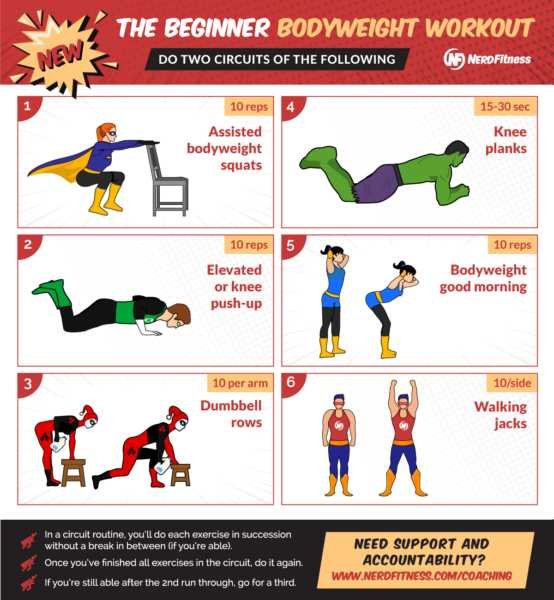
Get moving today with just your body and a little motivation—no gym needed! To start working out at home without equipment, focus on bodyweight exercises like push-ups, squats, lunges, and planks that require no gear but deliver great results. Consistency, proper form, and setting small goals keep you motivated and progressing. You can turn any space into your personal workout zone and build strength, endurance, and flexibility without spending money on fancy equipment.
Starting a fitness routine at home without equipment is simple and effective. You don’t need a gym or expensive gear—your body is your best tool. Begin with basic exercises, create a schedule, and gradually increase intensity. With some dedication and creativity, you’ll stay fit, healthy, and energized right from your living room.

How to Start Working Out at Home Without Equipment
Getting fit without the need for gym equipment is both possible and convenient. You don’t need a fancy set of weights or machines—just your body and some space. Starting a workout routine at home can be easy, affordable, and fun when you know what to do.
Understanding the Benefits of Exercising Without Equipment
Exercising at home without equipment offers many advantages. It saves money because you don’t need to buy weights or gym memberships. It also provides flexibility—work out whenever it fits into your day. Plus, it eliminates travel time, making it easier to stay consistent.
Another benefit is that bodyweight exercises can be highly effective. They help improve strength, flexibility, and balance. You can tailor your workouts to suit your fitness level and goals.
Setting Clear Goals Before You Start
Before beginning, it’s helpful to define what you want to achieve. Do you aim to lose weight, build strength, increase stamina, or improve flexibility? Clear goals will guide your exercise choices and keep you motivated.
Write down your goals and set realistic timelines. Small milestones, like exercising three times a week, can make your journey more manageable.
Creating a Suitable Workout Space at Home
You don’t need a lot of room to work out at home. Find a spot with enough space to move freely. Clear the area of clutter or fragile objects for safety.
Use a towel or mat for exercises that require cushioning. Good lighting and ventilation make your space more inviting.
Essential Principles of Home Workouts Without Equipment
Start Slow and Progress Gradually
Don’t push yourself too hard at first. Begin with shorter sessions and lighter intensity, then increase as your strength and endurance improve. This approach helps prevent injury and build confidence.
Focus on Proper Form
Good technique reduces the risk of injury and makes your workouts more effective. Take time to learn the correct way to perform each exercise, even if it means practicing slowly at first.
Mix Different Types of Exercises
Include a variety of movements such as cardio, strength, flexibility, and balance exercises. This variety keeps workouts interesting and targets different muscle groups.
Effective Bodyweight Exercises for Beginners
Cardio Moves
- Jumping jacks: A classic move that gets your heart pumping.
- High knees: Jog in place, lifting knees as high as possible.
- Burpees: A full-body move combining squat, jump, and push-up.
Strength Exercises
- Push-ups: Strengthen your chest, shoulders, and triceps. Start on knees if standard push-ups are too difficult.
- Squats: Target your thighs, hips, and buttocks. Keep your back straight and knees behind toes.
- Lunges: Step forward or backward to work legs and improve balance.
Core Exercises
- Planks: Hold a push-up position to strengthen your abs and back.
- Crunches: Lie on your back and lift shoulders off the ground to work your abdominal muscles.
- Leg raises: Lie flat and lift legs towards the ceiling for lower ab workout.
Designing a Weekly Workout Plan
Plan to exercise at least three times a week to see progress. Mix cardio, strength, and flexibility workouts evenly across your week. For example, dedicate Mondays to cardio, Wednesdays to strength, and Fridays to stretching and balance.
Include rest days to allow your muscles to recover. Consistency is key, so pick days and times that work best for your schedule.
Incorporating Flexibility and Balance Exercises
Stretch after each workout to improve flexibility and reduce soreness. Yoga poses like downward dog and cobra can enhance overall flexibility.
Balance exercises, such as standing on one foot or heel-to-toe walks, help prevent falls and improve stability. These can be easily added into your daily routine.
Staying Motivated and Tracking Progress
Set small, achievable goals to stay motivated. Use a journal, app, or calendar to record your workouts and progress. Seeing your improvements builds confidence and encourages consistency.
Find a workout buddy or join online fitness groups for accountability. Celebrate your milestones to stay inspired.
Using Modifications and Variations to Progress
As your fitness improves, challenge yourself with variations of basic exercises. For example, try decline push-ups or jump squats to increase difficulty.
If a movement feels too hard or causes discomfort, modify it. Use wall push-ups instead of floor push-ups or reduce the number of repetitions initially.
Additional Tips for Success
- Stay hydrated: Drink water before, during, and after workouts.
- Wear comfortable clothing and supportive shoes if needed.
- Listen to your body: Rest if you feel pain or excessive fatigue.
- Warm up before exercises and cool down afterward to prevent injury.
Related Topics: Expanding Your Home Workout Routine
Once you’re comfortable with basic exercises, consider adding new challenges like resistance bands or light weights. You can also explore online workout classes or tutorials for variety.
Bodyweight exercises can be combined with other activities such as dancing, hiking, or playing sports. Keep your routine fresh and engaging to maintain interest and motivation.
Full Body Workout Without Equipment
Frequently Asked Questions
What are some simple bodyweight exercises I can start with at home?
Begin with basic movements like push-ups, squats, lunges, planks, and burpees. These exercises use your own body weight to build strength and endurance. Focus on proper form and gradually increase repetitions to avoid injury and improve performance over time.
How can I create an effective workout plan without equipment?
Design a balanced routine that includes cardiovascular exercises, strength training, and flexibility work. Incorporate exercises such as jumping jacks, mountain climbers, wall sit, and leg raises. Schedule workouts 3-4 times a week and vary intensity levels to stay motivated and see progress.
What tips can help me stay motivated to work out at home?
Set clear and achievable goals to keep track of your progress. Create a dedicated workout space and stick to a regular schedule. Listen to energetic music, celebrate small milestones, and remind yourself of your personal reasons for exercising. Finding accountability partners or joining online fitness communities can also boost motivation.
How do I prevent injuries while working out at home without equipment?
Warm up before starting your session and cool down afterwards. Focus on proper technique and avoid pushing yourself too hard too quickly. If you experience pain, stop the exercise and rest. Use mirrors or record your movements to ensure correct form and minimize the risk of strain or injury.
Final Thoughts
Starting to work out at home without equipment is simple and rewarding. Begin with bodyweight exercises like push-ups, sit-ups, and squats to build strength. Focus on consistency and gradually increase intensity for progress. No need for fancy gear—just your motivation and a little space. Remember, the key is to stay committed and enjoy the process. How to start working out at home without equipment? Make it a daily habit, keep your goals clear, and enjoy the benefits of exercising at home.
As an Amazon Associate, We earn from qualifying purchases. When you purchase a product through Amazon links on pulsefitguide.com, we may earn a small commission at no extra cost to you. This helps support the site and keep our content free.
