


Cardio workouts are incredible for your heart—they boost circulation, strengthen your heart muscles, and reduce risks of cardiovascular diseases. Engaging in regular aerobic exercise can make your heart more efficient, helping you feel more energetic and healthier overall. So, if you want to protect your heart and live a longer, healthier life, cardio is a must.
In short, cardio exercises enhance heart health by improving blood flow, lowering bad cholesterol, and strengthening the heart muscle itself. These activities can significantly reduce the risk of heart-related problems, making them essential for maintaining a healthy cardiovascular system.
Keeping your heart in top shape is vital for overall well-being, and cardio workouts are one of the best ways to do that. Whether it’s brisk walking, running, cycling, or swimming, cardio gets your blood pumping and your heart stronger. Regular exercise not only boosts your physical health but also improves mental well-being, creating a positive cycle of health benefits. So, incorporating cardio into your routine is a simple, effective way to keep your heart happy and healthy for years to come.

Why is Cardio Good for Your Heart
Understanding Cardio Exercise and Its Role
Cardio exercise, also known as aerobic exercise, involves activities that increase your heart rate and breathing. Examples include walking, running, cycling, and swimming. These activities help your heart work more efficiently by strengthening it over time.
Regular cardio workouts boost your cardiovascular system by improving blood circulation. When your heart pumps more blood with less effort, it reduces strain and supports overall health. This is why consistent cardio exercise is crucial for keeping your heart strong.
How Cardio Strengthens Your Heart
Cardio workouts condition your heart muscle, making it more effective at pumping blood. Stronger heart muscles can circulate oxygen-rich blood more efficiently throughout your body. This process helps lower the risk of heart-related diseases.
As your heart becomes stronger, it doesn’t have to work as hard during rest and daily activities. This reduction in effort lowers blood pressure and decreases the chances of developing hypertension, a common heart disease risk factor.
The Impact of Cardio on Blood Pressure
High blood pressure strains your heart and arteries, increasing the risk of heart attacks and strokes. Cardio exercises help lower blood pressure by improving artery flexibility and reducing resistance to blood flow.
Engaging in regular aerobic activity can lead to a significant decrease in systolic and diastolic blood pressure levels. This effect benefits your overall cardiovascular health and lowers the chance of developing chronic hypertension.
Managing Cholesterol Levels with Cardio
High levels of LDL cholesterol can clog arteries, making your heart work harder. Cardio exercise raises your HDL cholesterol, which helps remove bad cholesterol from your bloodstream.
By doing cardio regularly, you can reduce total cholesterol and triglyceride levels. This balance keeps your arteries clear and decreases the likelihood of blockages that may cause heart attacks.
Controlling Weight and Reducing Heart Disease Risks
Excess weight increases the risk of heart disease and diabetes. Cardio workouts burn calories and fat, helping you reach and maintain a healthy weight.
Maintaining a healthy weight through regular cardio reduces the strain on your heart and improves blood sugar levels. This dual benefit significantly cuts down the risk factors associated with heart problems.
Enhancing Heart and Lung Efficiency
Cardiovascular exercise boosts your lungs’ capacity to intake oxygen and expel carbon dioxide. Better lung function supports your heart by providing oxygen-rich blood more efficiently.
Over time, this leads to improved stamina and endurance, enabling you to perform daily activities with less fatigue. It also lowers your risk of developing respiratory issues that can impact heart health.
The Role of Cardio in Preventing Heart Disease
Engaging in regular aerobic activities is one of the most effective ways to prevent heart disease. It helps keep arteries clear, blood pressure normal, and cholesterol levels balanced.
Research shows that people who exercise consistently have a lower chance of suffering from heart attacks and strokes. Cardio acts as a proactive step to protect your heart and improve longevity.
Best Types of Cardio Exercises for Your Heart
Various forms of cardio exercises cater to different preferences and fitness levels. Walking, jogging, cycling, swimming, and dancing are excellent options.
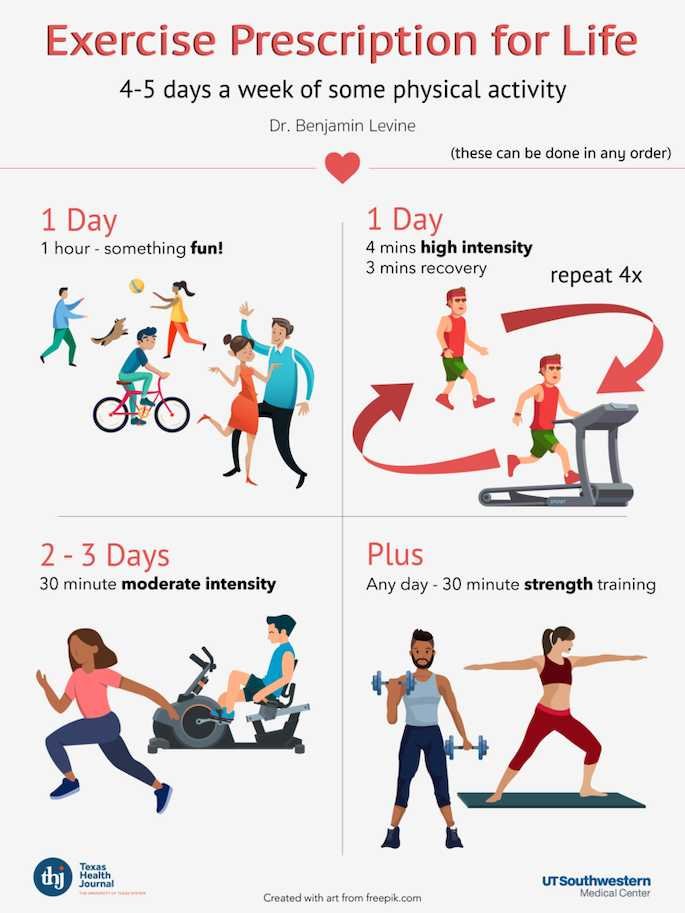
It’s important to choose activities you enjoy to stay motivated and consistent. Aim for at least 150 minutes of moderate cardio or 75 minutes of vigorous activity weekly for health benefits.
Creating a Cardio Routine Safely
Start slowly, especially if you’re new to exercise, to prevent injury. Gradually increase the intensity and duration of your workouts over time.
Always warm up before exercising and cool down afterward. Listen to your body, and consult a healthcare provider if you have any underlying health conditions.
Monitoring Your Heart Health During Cardio
Using a heart rate monitor helps you stay within a safe exercise zone. Aim for 50-70% of your maximum heart rate for moderate activity.
Pay attention to how you feel during workouts. If you experience dizziness, chest pain, or excessive shortness of breath, stop exercising and seek medical advice.
The Long-Term Benefits of Cardio for Your Heart
Consistent cardio practice not only improves your immediate heart health but also contributes to long-term benefits. It reduces the risk of developing heart disease later in life.
Over time, regular exercise can improve blood vessel flexibility and reduce inflammation. These changes help keep your arteries healthy and your heart functioning optimally.
Additional Tips for Maximizing Cardio Benefits
Combine cardio with a balanced diet rich in fruits, vegetables, and whole grains for the best results. Avoid smoking and limit alcohol consumption to protect your heart further.
Stay consistent and make exercise a daily habit. Incorporate variety to prevent boredom and target different muscle groups for overall fitness.
Related Topics
- Importance of a Heart-Healthy Diet
- How Stress Affects Heart Health
- Benefits of Regular Physical Activity Beyond Heart Health
- Understanding Heart Disease and Prevention Tips
Regular participation in cardio activities provides numerous benefits for your heart, making it a cornerstone of a healthy lifestyle. By choosing enjoyable exercises and staying consistent, you can enjoy a stronger, healthier heart for years to come.
The Minimum Cardio Needed For A Healthy Heart & Lungs
Frequently Asked Questions
How does cardio activity improve cardiovascular efficiency?
Cardio exercise strengthens the heart muscle, allowing it to pump blood more effectively with each beat. This increased efficiency helps deliver oxygen and nutrients to your body’s tissues while removing waste products more efficiently, supporting overall heart health and stamina.
What role does cardio play in managing blood pressure levels?
Regular cardiovascular workouts help keep blood pressure within a healthy range by improving the elasticity of your arteries and reducing resistance to blood flow. This lowers the strain on your heart and decreases the risk of hypertension-related issues.
In what ways does cardio help in reducing the risk of heart disease?
Engaging in consistent cardio activity helps lower levels of bad cholesterol (LDL) and triglycerides while increasing good cholesterol (HDL). It also promotes healthier blood vessels and reduces inflammation, all of which contribute to a lower chance of developing heart disease.
Final Thoughts
Cardio improves heart health by strengthening the heart muscle and boosting circulation. It helps lower blood pressure and reduce cholesterol levels, decreasing the risk of heart disease. Regular aerobic exercise also enhances overall endurance and vitality.
Why is cardio good for your heart? It promotes a healthier cardiovascular system, making it more efficient and resilient. Incorporating cardio into your routine supports long-term heart health and well-being.
As an Amazon Associate, We earn from qualifying purchases. When you purchase a product through Amazon links on pulsefitguide.com, we may earn a small commission at no extra cost to you. This helps support the site and keep our content free.
