


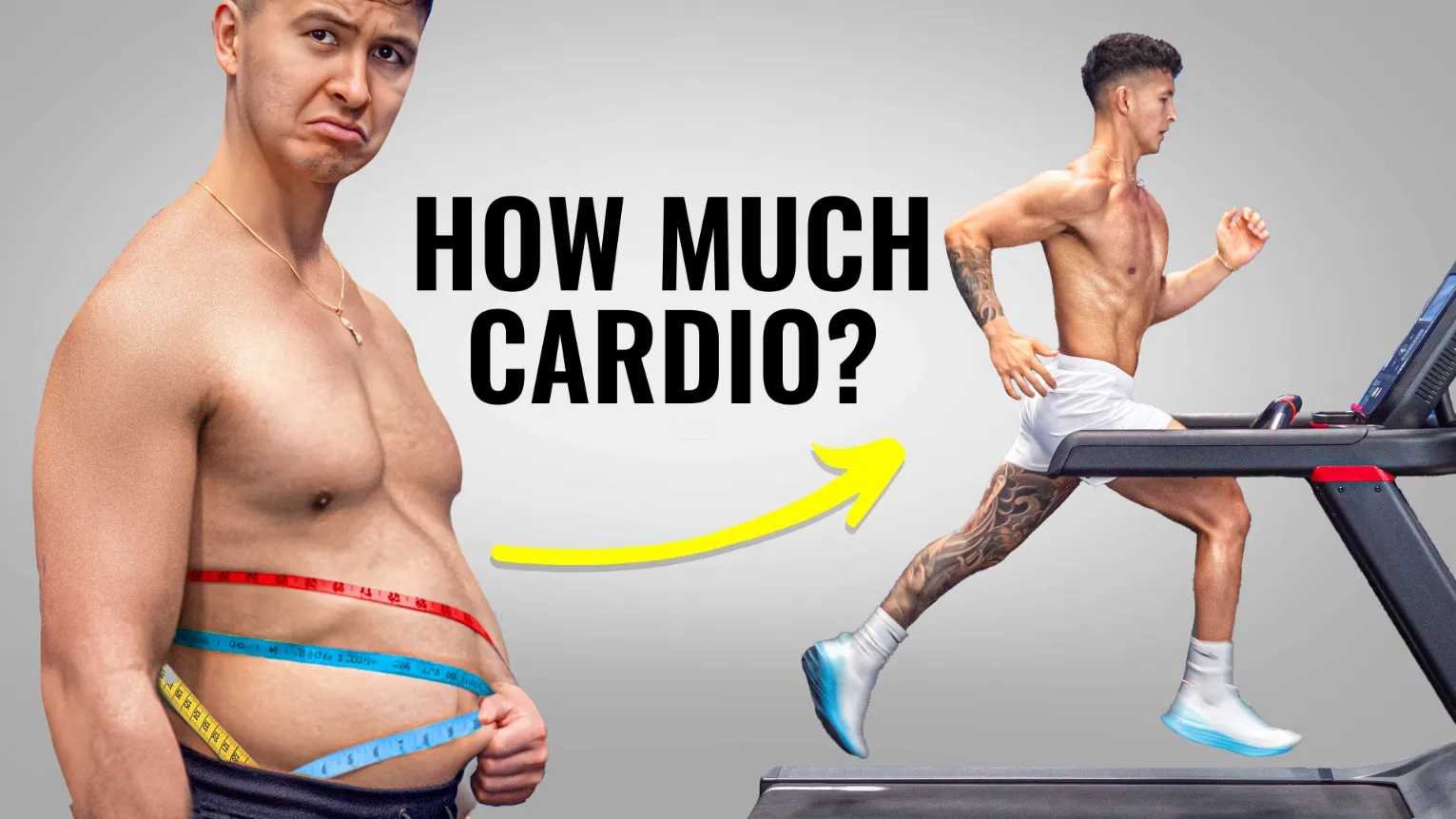
Yes, cardio can definitely help you lose weight when combined with a healthy diet. It burns calories, boosts your metabolism, and improves your overall fitness, making weight loss more achievable. However, the best results come from a balanced approach that includes strength training and proper nutrition.
If you’re wondering whether cardio is the key to shedding those extra pounds, the answer is yes—cardio is an effective way to burn calories and create the calorie deficit needed for weight loss. But it’s not the only piece of the puzzle; consistency, diet, and lifestyle habits matter just as much. Many people jump straight into intense cardio routines, hoping for quick results, but understanding how cardio fits into a comprehensive weight loss plan can make your journey more sustainable and successful.
Getting started with cardio might seem overwhelming, but the good news is that you don’t need to run marathons or hit the gym for hours daily. Simple activities like brisk walking, cycling, or dancing can be powerful tools in your weight loss arsenal. By incorporating regular cardio sessions into your routine, you’re actively supporting your body’s fat-burning processes, helping you reach your goals faster while also enhancing your mood and energy levels.

Will Cardio Help You Lose Weight?
Understanding Cardio and Its Role in Weight Loss
Cardio exercises are activities that increase your heart rate and breathing. These exercises include running, cycling, swimming, and dancing. Many people believe cardio is the best way to shed pounds, but how true is this? Cardio helps burn calories, which is essential for weight loss. However, the amount of weight you lose depends on many factors. Knowing how cardio works can help you decide if it’s right for your weight loss goals.
How Does Cardio Burn Calories?
During cardio, your body uses energy to keep moving. This energy comes from the calories stored in your body’s fat and carbs. The more intense the exercise, the more calories you burn. For example, running burns more calories per minute than walking. Consistent cardio sessions can create a calorie deficit, which is necessary for weight loss.
| Activity | Calories Burned in 30 Minutes (Approximate) |
|---|---|
| Walking (3.5 mph) | 150 |
| Jogging (5 mph) | 300 |
| Jump Rope | 400 |
| Swimming | 250 |
| Cycling (moderate speed) | 300 |
Cardio and Fat Loss: What’s the Connection?
Cardio primarily helps burn fat when done regularly and at the right intensity. Low to moderate intensity cardio uses fat as the main fuel source. Higher intensity workouts burn more calories overall but rely more on carbs. Combining different intensities can maximize fat burning.
Why Consistency Matters
Doing cardio regularly is key to losing weight. Aim for at least 150 minutes of moderate activity each week. This can be broken into sessions of 30 minutes, five days a week. Consistency helps your body adapt and burn more calories over time.
What Types of Cardio Are Best for Weight Loss?
Different forms of cardio offer various benefits. Here are some popular choices:
- Running or Jogging: Great for burning lots of calories quickly. It requires minimal equipment but puts stress on joints.
- Cycling: Easy on the joints and suitable for all fitness levels. Can be done outdoors or on a stationary bike.
- Swimming: Provides resistance and is gentle on joints. Excellent for full-body calorie burning.
- Dancing: Fun and engaging, making it easier to stick with regularly.
- Rowing: Offers a full-body workout that burns calories efficiently.
Combining Cardio and Strength Training
While cardio is effective, combining it with strength training boosts weight loss. Strength exercises build muscle, which increases your resting metabolic rate. This means you burn more calories even when resting.
Why Include Strength Workouts?
Adding activities like weightlifting or bodyweight exercises improves overall body composition. More muscle helps burn more calories during and after workouts. It also prevents muscle loss often associated with dieting.
How Long Should You Do Cardio For Weight Loss?
The best duration depends on your fitness level and goals. Start with sessions of 20-30 minutes and gradually increase. For weight loss, aim for at least 150 minutes of moderate cardio weekly, or 75 minutes of vigorous activity.
High-Intensity Interval Training
High-Intensity Interval Training (HIIT) involves short bursts of intense activity followed by recovery. HIIT sessions can last 15-20 minutes but burn lots of calories. They also boost metabolism for hours after finishing.
Is Cardio Alone Enough for Weight Loss?
While cardio helps create a calorie deficit, diet plays a vital role. Eating a balanced, calorie-controlled diet amplifies your efforts. Combining healthy eating with regular cardio leads to better, faster results.
Diet and Cardio: A Winning Pair
Focus on consuming whole foods, vegetables, lean proteins, and whole grains. Limit sugary drinks and processed foods. Proper nutrition supports energy for cardio workouts and aids recovery.
Potential Downsides of Excessive Cardio
Too much cardio can lead to fatigue, injuries, or burnout. Overdoing it without proper rest might also cause muscle loss. Balance cardio with recovery and strength training for safe, sustainable weight loss.
Signs You Are Overdoing Cardio
– Persistent fatigue
– Soreness that doesn’t improve
– Increased injuries
– Loss of muscle mass
Listen to your body and rest when needed.
Additional Tips to Maximize Cardio Benefits
- Set realistic goals and track progress.
- Mix different types of cardio to prevent boredom.
- Gradually increase intensity and duration.
- Stay hydrated and wear appropriate gear.
- Combine cardio with a healthy diet for best results.
Related Topics to Consider
Impact of Sleep and Stress on Weight Loss
Adequate sleep and low-stress levels support your weight loss efforts. Lack of sleep can increase hunger hormones, making it harder to stick with healthy habits.
Importance of Rest Days
Rest days allow muscles to recover and reduce injury risk. Active recovery, like walking or gentle swimming, keeps you moving without overloading your body.
Tracking Progress
Use tools like apps, journals, or fitness trackers to monitor workouts and dietary habits. Regular tracking keeps you motivated and helps adjust your plan.
Integrating Cardio into Daily Life
Choose activities you enjoy to maintain consistency. Walk or bike instead of driving, take the stairs, or dance during breaks. Small daily habits make a big difference.
All these elements show that cardio can play a significant role in weight loss when combined with healthy habits. It increases calorie burn, improves overall health, and supports your fitness journey. Remember, consistency and balance are the keys to seeing lasting results.
How To Do Cardio (Without Losing Muscle)
Frequently Asked Questions
How does cardio contribute to long-term weight management?
Cardio exercises help burn calories during your workout, which contributes to creating a caloric deficit essential for weight loss. Regular cardio not only aids in burning fat but also improves your metabolism over time, making it easier to maintain a healthy weight in the long run.
Can cardio improve my overall body composition?
Yes, incorporating cardio into your routine helps reduce body fat and can lead to a more toned appearance. Combined with strength training, cardio can improve your muscle-to-fat ratio, resulting in a healthier and more balanced body composition.
What role does cardio play in preventing weight regain after losing weight?
Engaging in consistent cardio helps you maintain your weight loss by burning extra calories and reinforcing healthy habits. It also enhances your cardiovascular health, which supports an active lifestyle that makes it easier to keep the weight off over time.
Final Thoughts
Cardio is an effective way to burn calories and boost your metabolism. Regular aerobic exercise can contribute significantly to weight loss when combined with a healthy diet.
Will cardio help you lose weight? It can be a key component, but consistency is crucial. Combining cardio with strength training offers the best results.
Ultimately, staying active supports your weight loss goals and improves overall health. Incorporate cardio into your routine to see steady progress and maintain motivation.
As an Amazon Associate, We earn from qualifying purchases. When you purchase a product through Amazon links on pulsefitguide.com, we may earn a small commission at no extra cost to you. This helps support the site and keep our content free.
