


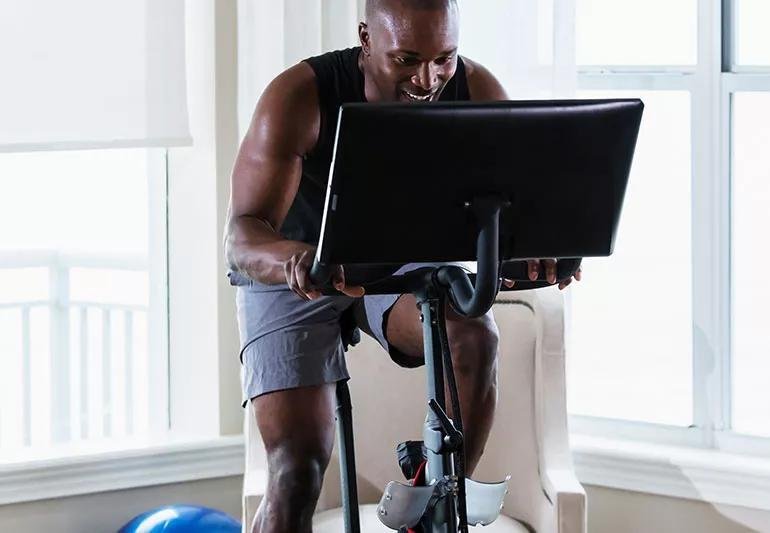
Absolutely, cardio can lower cholesterol. Regular aerobic exercise helps raise HDL (good cholesterol) and reduce LDL (bad cholesterol), improving your heart health. So, if you’re wondering, will cardio lower cholesterol? The answer is a definite yes. Incorporating activities like running, cycling, or swimming into your routine can make a significant difference. This simple change can support your efforts to maintain healthy cholesterol levels and boost overall wellness.

Will Cardio Lower Cholesterol? Exploring How Exercise Can Help Improve Heart Health
Exercise, especially cardio workouts, plays a significant role in maintaining good heart health. Many people wonder if engaging in regular cardiovascular activity can directly lower cholesterol levels. The truth is, cardio exercise can be very effective in helping manage cholesterol, but how does that happen? Let’s dive into the details and understand the connection between cardio workouts and cholesterol levels.
Understanding Cholesterol and Its Impact on Heart Health
Before we explore how cardio affects cholesterol, it’s important to understand what cholesterol is and why it matters. Cholesterol is a waxy substance found in your blood. Your body needs some cholesterol to build healthy cells, but too much can cause problems.
There are two main types of cholesterol:
- Low-density lipoprotein (LDL): Often called the “bad” cholesterol. High levels of LDL can clog arteries and lead to heart disease.
- High-density lipoprotein (HDL): Known as the “good” cholesterol. HDL helps remove LDL from your bloodstream, carrying it to the liver to be eliminated.
Having an unhealthy balance—high LDL and low HDL—raises your risk for heart attacks and strokes. That’s why managing cholesterol levels is essential for heart health.
How Cardio Exercise Influences Cholesterol
Regular cardio workouts, such as walking, jogging, cycling, swimming, or dancing, can influence your cholesterol levels in multiple ways:
Boosts HDL Levels
Engaging in aerobic exercise consistently raises your HDL cholesterol. Higher HDL helps remove excess LDL cholesterol from your blood, which reduces plaque buildup in arteries. This process supports better blood flow and lowers the risk of heart disease.
Reduces LDL Cholesterol and Triglycerides
Cardio can also decrease LDL cholesterol and triglyceride levels in the blood. Triglycerides are another type of fat linked to heart problems when elevated. Exercise encourages your body to burn these fats for energy, which helps keep their levels in check.
Helps with Weight Management
Carrying extra weight, especially around the abdomen, has a negative effect on cholesterol levels. Regular cardio workouts burn calories, helping with weight loss or maintenance. Losing weight can significantly improve your cholesterol profile by increasing HDL and lowering LDL and triglycerides.
Improves Heart and Blood Vessel Function
Consistent aerobic activity enhances the efficiency of your heart and blood vessels. Better circulation means your arteries stay flexible and healthy, making it easier for your body to regulate cholesterol levels effectively.
How Much Cardio Do You Need to See Results?
The good news is that even moderate exercise can make a difference. Health experts recommend:
- At least 150 minutes of moderate-intensity aerobic activity each week, such as brisk walking or cycling.
- Or 75 minutes of vigorous-intensity activity, like running or fast cycling.
- Additionally, include muscle-strengthening activities twice a week for overall health benefits.
Consistency is key. Making cardio an everyday habit helps maintain a steady improvement in your cholesterol levels over time.
The Best Types of Cardio for Lowering Cholesterol
Different cardio exercises work well for managing cholesterol. Here are some options:
Walking
Easy to do and accessible, walking can be a gentle yet effective way to boost your HDL levels and help burn calories.
Running or Jogging
Running is a high-impact activity that increases heart rate quickly and is excellent for overall cardiovascular health.
Cycling
Whether outdoors or on a stationary bike, cycling is a low-impact exercise suitable for all fitness levels and efficient at improving cholesterol profiles.
Swimming
This full-body workout is gentle on joints while boosting HDL and reducing LDL levels.
Dancing
Fun and effective, dancing can keep your heart rate high and contribute to better cholesterol management.
Additional Lifestyle Tips to Support Cholesterol Management
While cardio exercise is powerful, combining it with other healthy habits maximizes the benefits:
- Eat a heart-healthy diet: Focus on fruits, vegetables, whole grains, lean proteins, and healthy fats.
- Avoid trans fats and limit saturated fats: These fats can increase LDL cholesterol.
- Quit smoking: Smoking lowers HDL and damages blood vessels.
- Limit alcohol intake: Excess alcohol can raise triglycerides and impede cholesterol management.
- Maintain a healthy weight: Even modest weight loss helps improve your cholesterol profile.
Monitoring Your Cholesterol Levels
Regular check-ups with your healthcare provider can help track how your efforts are paying off. It’s recommended to get your cholesterol levels tested at least once every four to six years, or more frequently if you’re working to improve your levels.
Common Myths About Cardio and Cholesterol
Many people have misconceptions about exercise and cholesterol. Let’s clear up some of these:
Myth: Only intense workouts matter
Fact: Moderate regular exercise can produce significant improvements in cholesterol levels and overall heart health.
Fact: While exercise is essential, combining physical activity with a healthy diet has the best results.
Myth: You need to exercise every day to see benefits
Fact: Even exercising most days of the week can make a difference, especially if combined with other healthy lifestyle choices.
Summary: Can Cardio Lower Cholesterol?
In summary, engaging in regular cardiovascular exercise can effectively help manage and improve cholesterol levels. It raises HDL cholesterol, lowers LDL cholesterol and triglycerides, supports weight management, and enhances overall heart health. The key is consistency—making cardio a regular part of your routine, complemented by a healthy diet and lifestyle. Whether you choose walking, running, cycling, swimming, or dancing, the benefits are clear: better heart health and a lower risk of cardiovascular disease.
Remember, before starting any new exercise program, especially if you have existing health conditions, consult with your healthcare provider. Making small, sustainable changes can lead to lasting improvements in your cholesterol levels and overall well-being.
Frequently Asked Questions
Can engaging in cardio exercise help improve my overall cholesterol levels?
Yes, incorporating regular cardio workouts can positively influence your overall cholesterol profile. Cardio activity helps increase high-density lipoprotein (HDL) or “good” cholesterol, which aids in removing low-density lipoprotein (LDL) or “bad” cholesterol from your bloodstream. As a result, your chance of developing plaque buildup in your arteries decreases, promoting better cardiovascular health.
How quickly can I expect to see changes in my cholesterol levels from cardio activities?
While individual results vary, many people start noticing improvements in their cholesterol levels within a few months of consistent cardio exercise. Regular physical activity can lead to increased HDL levels and reduced LDL levels over time. Maintaining a steady routine is key to achieving and sustaining these health benefits.
Does the intensity or duration of cardio workouts influence their effect on cholesterol?
Yes, both the intensity and duration of your cardio sessions play significant roles. Moderate to vigorous intensity workouts performed for at least 150 minutes per week often produce notable improvements in cholesterol levels. Longer and more intense sessions can amplify these benefits, but it’s important to gradually build up your activity level to prevent injury and ensure sustainable progress.
Final Thoughts
Will cardio lower cholesterol? Regular cardio exercises can help reduce LDL cholesterol levels and raise HDL cholesterol, improving heart health. Consistent aerobic activity promotes better circulation and helps your body process fats more efficiently. Incorporating cardio into your routine offers tangible benefits for lowering cholesterol. Therefore, engaging in cardio is a valuable step toward maintaining healthier cholesterol levels and reducing cardiovascular risk.
As an Amazon Associate, We earn from qualifying purchases. When you purchase a product through Amazon links on pulsefitguide.com, we may earn a small commission at no extra cost to you. This helps support the site and keep our content free.
