


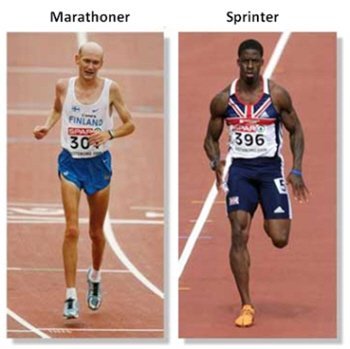
**Yes, high intensity cardio can burn fat effectively.** When you push your body with short bursts of intense activity, you increase your heart rate and calorie burn. This method challenges your muscles and boosts your metabolism, leading to fat loss over time.
So, will high intensity cardio burn fat? Absolutely, it accelerates fat burning more than moderate exercises. Incorporating it into your routine can help you achieve your fitness goals faster.

Will High Intensity Cardio Burn Fat?
Many people ask whether doing high intensity cardio workouts helps burn fat effectively. The answer is yes, but it’s important to understand how it works and what factors influence fat burning. This section takes a deep dive into how high intensity cardio influences fat loss, why it is popular among fitness enthusiasts, and what you should keep in mind to get the best results.
Understanding High Intensity Cardio
Before jumping into whether high intensity cardio burns fat, it’s helpful to understand what this type of exercise entails. High intensity cardio involves exercises that push your heart rate to near maximum levels for short periods. It is different from steady-state cardio, where you maintain a moderate pace for a longer time.
Some common examples include:
- Running sprints
- High-intensity interval training (HIIT)
- Plyometric exercises like jump squats or burpees
- Circuit training with rapid transitions
Why is it called high intensity? Because your effort level is very high, often reaching 80 to 95 percent of your maximum heart rate. This kind of workout is designed to challenge your body quickly and vigorously.
How Does High Intensity Cardio Burn Fat?
The big question—does it help you burn fat? The answer is yes, but how exactly does this happen?
Boosting Metabolism
High intensity workouts cause your body to burn calories at a faster rate, not only during the exercise but also after you finish. This process is called excess post-exercise oxygen consumption (EPOC), or the “afterburn effect.” During this time, your body works hard to recover, which burns additional calories, including stored fat.
Fat as a Fuel Source
During high intensity efforts, your body primarily uses carbohydrates for energy. However, after the workout ends and during recovery, your body shifts to burning more fat. This shift plays a critical role in long-term fat loss when combined with consistent exercise.
Interval Training and Fat Loss
HIIT and other high intensity workouts involve quick bursts of activity followed by rest or low-intensity periods. This pattern:
- Maximizes calorie burn in a short time
- Encourages your body to use fat stores for energy during recovery
- Reduces the risk of muscle loss compared to long-duration cardio
Research shows that people doing HIIT can burn more fat compared to those performing traditional steady-state cardio, especially in less time.
Advantages of High Intensity Cardio for Fat Loss
You might wonder why so many choose high intensity cardio to shed pounds. Here are some benefits:
Time-Efficient
Since high intensity workouts burn a lot of calories quickly, you can achieve good results with shorter sessions. For busy schedules, this is a fantastic option.
Preserves Muscle Mass
Compared to longer, moderate sessions, high intensity routines are less likely to lead to muscle loss. Preserving muscle helps keep your metabolism high, which aids after the fat burning process.
Improves Cardiovascular Health
Beyond burning fat, high intensity cardio strengthens your heart and lungs, making everyday activities easier and lower in fatigue.
Increases Fat Oxidation
Research indicates that high intensity workouts enhance your body’s ability to oxidize, or burn, fat even at rest, which helps with long-term weight management.
Potential Challenges and How to Overcome Them
While high intensity cardio has many benefits, it also comes with some challenges. Here’s what you should watch out for and tips to mitigate issues:
Risk of Injury
High-impact moves can sometimes lead to injury if not performed correctly.
- Warm up thoroughly before starting
- Focus on proper form
- Gradually increase intensity over time
Overtraining
Doing too many high intensity sessions without adequate rest can cause fatigue and injuries.
- Schedule rest days
- Listen to your body and avoid pushing through pain
- Mix in lower intensity workouts for recovery
Not Suitable for Everyone
People with certain health issues, like heart problems or joint concerns, should consult a healthcare professional before starting high intensity routines.
How to Incorporate High Intensity Cardio Into Your Routine
Creating a balanced workout plan is key to maximizing fat loss while avoiding burnout.
Start Slowly
If you’re new to high intensity training, begin with shorter sessions, such as 10 to 15 minutes, and gradually increase duration and intensity.
Mix It Up
Variety keeps workouts interesting and challenges different muscles.
- Alternate between different exercises such as sprints, jump rope, or cycling
- Combine high intensity segments with low-intensity recovery periods
Focus on Full-Body Movements
Choose exercises that work multiple muscle groups at once, like:
- Burpees
- Mountain climbers
- Squat jumps
- High knees
These maximize calorie burn and promote overall fat loss.
Consistency Is Key
Aim for 2 to 3 sessions per week, allowing your body time to recover. Over time, this approach boosts your metabolism and improves your fitness level.
Complementary Strategies for Fat Burn
High intensity cardio works even better when combined with other healthy habits:
Eating a Balanced Diet
Focus on nutritious foods that support your workouts:
- Lean proteins like chicken and fish
- Complex carbs such as oats, brown rice, and sweet potatoes
- Healthy fats from nuts, seeds, and avocados
- Plenty of fruits and vegetables
Staying Hydrated
Drinking enough water helps your body recover faster and keeps your metabolism running smoothly.
Getting Enough Sleep
Sleep affects hormones that control hunger and fullness, as well as recovery from intense workouts.
Tracking Progress
Keep a workout journal or use apps to monitor your progress and stay motivated.
Summary of Key Points
| Aspect | Details |
|---|---|
| Burns Calories | High intensity cardio burns a large number of calories in a short period. |
| Fat Loss | It helps burn stored fat, especially during the recovery phase. |
| Time-Efficient | Most workouts last between 15 to 30 minutes, making them suitable for busy schedules. |
| Challenges | Potential injury and overtraining if not done properly. |
| Best Practices | Warm-up, proper form, gradual increase, and mix with other activities. |
Overall, high intensity cardio can be a highly effective way to burn fat quickly and efficiently. When integrated thoughtfully into a balanced fitness plan and paired with good nutrition, it supports weight loss goals and improves overall health. Remember to listen to your body, start slow, and stay consistent for the best results.
Frequently Asked Questions
Does high-intensity cardio improve overall fat loss compared to lower-intensity workouts?
Yes, high-intensity cardio can lead to greater fat loss in a shorter period because it increases calorie expenditure and boosts metabolism. Pushing your intensity levels helps your body burn more calories both during and after the workout, contributing to more significant fat reduction over time.
Can incorporating high-intensity cardio help reduce stubborn fat areas?
High-intensity workouts can target overall fat reduction, including stubborn areas. While spot reduction isn’t possible, consistently engaging in intense cardio sessions promotes overall fat loss, which eventually decreases fat stores in those resistant regions.
How does high-intensity cardio influence post-workout fat burning?
High-intensity cardio elevates your metabolic rate even after you finish exercising, a phenomenon known as excess post-exercise oxygen consumption (EPOC). This increased calorie burning continues for hours, aiding in effective fat loss.
Are there risks associated with relying solely on high-intensity cardio for fat burning?
While high-intensity cardio can be effective, doing it excessively without proper recovery may lead to injuries or overtraining. It’s vital to balance these workouts with adequate rest and combine them with other forms of exercise and a healthy diet for best results.
How often should I include high-intensity cardio in my fitness routine for optimal fat burning?
Including high-intensity cardio 2 to 3 times per week offers substantial fat-burning benefits while allowing your body to recover. Combining these sessions with strength training and active recovery days creates a balanced approach to fat loss and overall fitness.
Final Thoughts
High intensity cardio has gained popularity for its efficiency in burning calories and fat. It pushes your body to work harder in less time, increasing post-workout calorie burn. This type of exercise can boost metabolism and improve overall cardiovascular health.
Will high intensity cardio burn fat? Yes, it effectively helps reduce body fat when combined with a healthy diet. Incorporating it into your routine can lead to faster fat loss and better fitness results.
As an Amazon Associate, We earn from qualifying purchases. When you purchase a product through Amazon links on pulsefitguide.com, we may earn a small commission at no extra cost to you. This helps support the site and keep our content free.
