


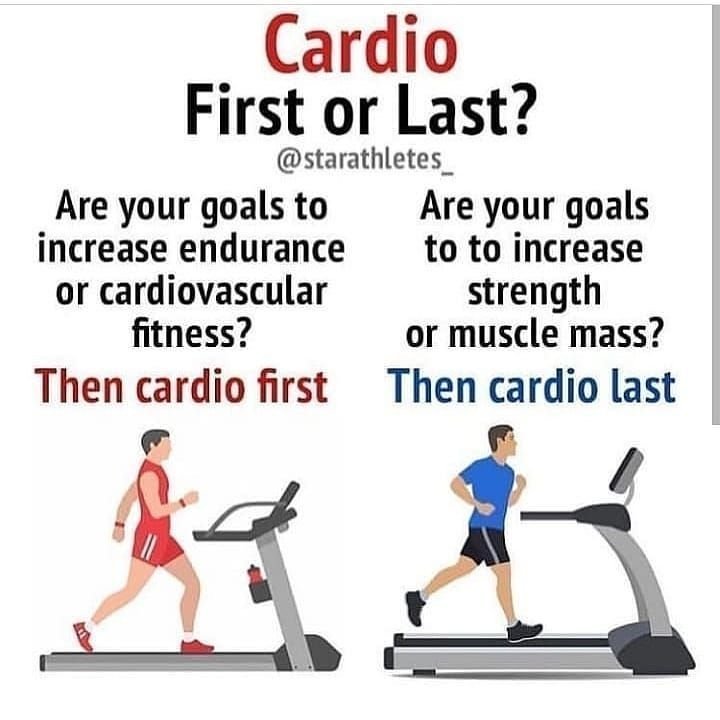
The best time to work out relative to cardio depends on your goals. **Doing your workout before cardio boosts strength and muscle gain, while after cardio can improve endurance.** If building muscle is your aim, start with strength training. For better stamina, hit the cardio first, then lift weights. Knowing when to exercise makes your routine more effective and enjoyable.

Workout Before or After Cardio: What’s the Best Approach?
Many people who want to stay healthy, build muscle, or lose weight often ask themselves whether they should work out before or after doing cardio. The answer depends on your fitness goals, your body, and how you feel during workouts. Let’s explore the important factors that can help you decide the best timing for your workouts.
Understanding the Basics of Cardio and Strength Training
Before diving into which should come first—your workout or cardio—it’s helpful to understand what these exercises do for your body.
What is Cardio?
Cardio, short for cardiovascular exercise, includes activities like running, cycling, swimming, or brisk walking. These exercises get your heart pumping faster, improving your heart health and increasing endurance.
What is Strength Training?
Strength training involves activities like lifting weights, using resistance bands, or bodyweight exercises such as push-ups and squats. These activities build muscle, strengthen bones, and boost your metabolism.
Goals Matter: Why Your Fitness Objectives Influence Your Routine
Your ultimate aim will shape whether you should prioritize workout or cardio first.
Building Muscle and Strength
If gaining muscle is your goal, doing strength training first makes sense. When your muscles are fresh, you can lift heavier weights or perform more reps with proper form. Doing cardio beforehand might tire your muscles and reduce your strength during weightlifting.
Improving Endurance and Fat Loss
For endurance or weight loss, mixing cardio and strength is key. Doing cardio first can warm up your body, helping you burn more calories during the workout. Alternatively, some prefer to do strength training first, then cardio to burn fat after glycogen stores are depleted.
Balancing Both Goals
Many people want to improve overall fitness. In this case, the order depends on personal preference, time constraints, and energy levels. Rotating the focus can prevent boredom and plateaus.
Effects of Doing Workout Before Cardio
Starting with your workout—whether strength or flexibility training—can influence your cardio session.
Advantages of Lifting Weights First
- Muscles are fresh, so you can lift heavier weights or perform more reps.
- Improves strength and muscle gains by training when energy levels are high.
- Helps in better targeting specific muscles after warm-up.
Potential Drawbacks
- It might cause fatigue that reduces your ability to do cardio effectively.
- Cardio might be less intense if your muscles are already tired from lifting.
- Possible increased risk of injury if fatigue sets in during cardio.
Effects of Doing Cardio Before Workout
Starting with cardio can also influence your strength training.
Advantages of Cardio First
- Warms up your muscles, joints, and cardiovascular system, reducing injury risk.
- Burns glycogen stores initially, which can increase fat burning during subsequent workout.
- May improve overall stamina and decrease fatigue during strength training.
Potential Drawbacks
- Cardio depletes energy, making it harder to lift heavy or perform high-intensity strength exercises.
- Could lead to muscle fatigue if done excessively before lifting.
How to Decide Which to Do First Based on Your Goals
If Your Main Goal Is Building Muscle
Focus on doing strength training first. This way, your muscles are fresh, and you can lift heavier weights or complete more repetitions. You can do a short warm-up or light cardio after to keep your heart healthy.
If Fat Loss or Endurance Is Your Priority
Start with cardio, especially if you want to maximize calorie burn during your workout. Alternatively, do a moderate warm-up to prepare your body for both types of exercises.
If You Want a Balanced Approach
Mix things up by alternating between workout-first and cardio-first days. This variability can prevent boredom and help you avoid plateaus.
Timing and Duration of Workouts
The length of your session also impacts which order is better.
Short Workouts (Less Than 45 Minutes)
– Prioritize your main goal; do that first when your energy is high.
– Use warm-up sessions to prepare your body for the workout.
Longer Workouts (Over 45 Minutes)
– Divide your time, doing cardio and strength on different days if possible.
– Or, perform cardio first on some days and strength on others to maximize benefits.
Practical Tips for Combining Cardio and Strength Training
– Keep sessions varied. Changing the order helps keep your body challenged.
– Listen to your body. If you feel fatigued, consider adjusting the order.
– Incorporate rest days. Both cardio and weightlifting require recovery.
– Use proper warm-ups and cool-downs to prevent injuries.
– Maintain proper nutrition to fuel your workouts, especially if training intensely.
Sample Workout Schedules
- Monday: Strength training first, then 20 minutes of light cardio (walking or cycling).
- Wednesday: Cardio first, followed by resistance exercises.
- Friday: Alternate focus—some weeks strength first, others cardio first.
Ultimately, there’s no one-size-fits-all answer to whether you should work out before or after cardio. It depends on what you want to achieve, your physical condition, and how your body responds. Trying different approaches can help you find what works best for you. The key is consistency, proper technique, and listening to your body’s signals.
Remember, both cardio and strength training offer valuable benefits, and combining them in a well-structured routine can help you reach your fitness goals faster. Whether you choose to do your workout first or cardio first, stay motivated, and enjoy your fitness journey!
Frequently Asked Questions
How does doing a workout before cardio affect performance during cardio sessions?
Engaging in a workout before cardio can tire your muscles, potentially reducing your stamina and endurance during the cardio session. It may also lead to decreased intensity or duration of your cardio workout, especially if you perform high-intensity exercises beforehand. To maintain optimal performance, consider the type and intensity of the workout prior to your cardio session.
What are the benefits of performing cardio before strength training?
Doing cardio before strength training can serve as an effective warm-up, increasing blood flow and preparing your muscles for the upcoming workout. It also helps improve cardiovascular endurance and can aid in fat burning. However, if your goal is to maximize strength gains, it’s often better to perform weightlifting first when your energy levels are higher.
Can alternating workout timing with cardio improve overall fitness results?
Yes, alternating your workout routine between cardio and strength training can help prevent plateaus and improve different aspects of fitness. It allows you to focus on muscle building and endurance separately, reducing fatigue and promoting recovery. Incorporating variability also keeps your workouts interesting and sustainable over time.
Is it better to perform cardio at a different time of day than strength training?
Many people find that separating cardio and strength workouts by several hours or doing them on different days helps maximize each activity’s effectiveness. Doing cardio at a different time allows you to dedicate full energy and focus to each, leading to better performance and recovery. However, if time constraints require combining them, consider the order based on your primary fitness goals.
How should I structure my workout if I want to improve both endurance and strength?
To improve both endurance and strength, plan your workouts to include dedicated sessions for each. For example, perform cardio on some days, focusing on longer or higher-intensity sessions, and strength training on other days, emphasizing heavier weights or lower reps. Alternatively, you can integrate circuits that combine both elements, but ensure to balance intensity and rest to prevent overtraining.
Final Thoughts
In summary, deciding whether to do workout before or after cardio depends on your fitness goals. Doing strength training first can maximize muscle gain, while cardio upfront boosts endurance. The key is to listen to your body and adjust accordingly. Ultimately, consistent effort matters most, regardless of the sequence. Remember, workout before or after cardio should align with what you want to achieve and how you feel best during your workouts.
As an Amazon Associate, We earn from qualifying purchases. When you purchase a product through Amazon links on pulsefitguide.com, we may earn a small commission at no extra cost to you. This helps support the site and keep our content free.
