


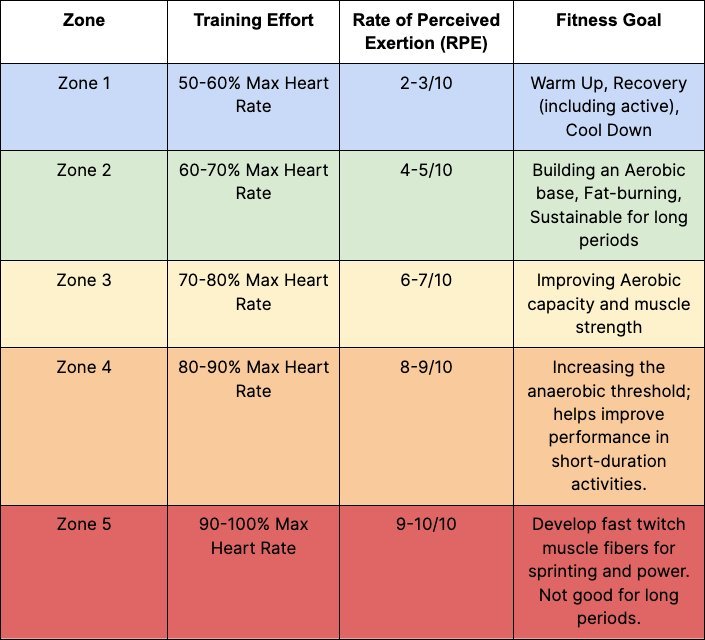
**Zone 1 cardio involves exercising at a very light intensity, perfect for recovery and sustained activity without fatigue.** This level keeps you moving comfortably, making it ideal for beginners or active recovery days.
Many find zone 1 cardio helpful for maintaining consistency and improving overall endurance. It’s an accessible way to stay active without pushing your limits. Exploring this zone can enhance your fitness routine and provide gentle boosts to your health.

Understanding Zone 1 Cardio: The Foundation of Effective Heart Health
When it comes to maintaining good heart health, improving stamina, or even just starting a fitness journey, engaging in zone 1 cardio can be a game-changer. This form of aerobic exercise isn’t about intense workouts or heavy sweating; instead, it focuses on working out at a gentle, sustainable pace. Let’s explore what zone 1 cardio really is, how it benefits your body, and how you can incorporate it effectively into your routine.
What Is Zone 1 Cardio?
Zone 1 cardio refers to exercising at a low-intensity level, typically around 50% to 60% of your maximum heart rate. Your maximum heart rate is roughly calculated as 220 minus your age, but individual variations exist. When you exercise in zone 1, your heart rate stays in a comfortable range, allowing you to talk easily without gasping for breath.
This level is sometimes called the “fat-burning zone,” though that term can be misleading. More accurately, it’s a zone where your body uses fat efficiently for energy because of the steady state of exercise. It’s a gentle pace that can be sustained for long periods without causing fatigue.
The Benefits of Zone 1 Cardio
Engaging in zone 1 cardio offers a multitude of advantages. Here’s what makes it a valuable part of any fitness regimen:
- Enhances Heart Health: Regularly exercising in this zone strengthens your heart muscle, making it more efficient in pumping blood.
- Builds Aerobic Capacity: It improves your body’s ability to utilize oxygen, leading to better stamina and endurance during higher-intensity workouts.
- Supports Weight Management: Since fat is a primary energy source at this level, it can aid in gradual weight loss or maintenance when combined with a balanced diet.
- Reduces Stress: Gentle exercise in zone 1 can lower cortisol levels, helping you feel calmer and more relaxed.
- Prevents Injury: Its low-impact nature makes it safe for most people, especially those recovering from injuries or new to fitness.
- Increases Recovery Rate: It’s an excellent way to stay active without overtaxing your body, aiding recovery after intense workouts.
How to Determine Your Heart Rate Zones
Knowing your heart rate zones helps you target the right intensity level. To find your zone 1, follow these simple steps:
Step-by-Step Heart Rate Calculation
- Calculate your maximum heart rate: 220 minus your age.
- Determine 50% to 60% of this number to find your zone 1 heart rate range.
- Use a fitness tracker or heart rate monitor during exercise to stay within this range.
For example, if you are 30 years old:
- 220 – 30 = 190 beats per minute (bpm)
- 50% of 190 = 95 bpm
- 60% of 190 = 114 bpm
So, your zone 1 heart rate range is approximately 95 to 114 bpm.
Best Activities for Zone 1 Cardio
Many activities are perfect for maintaining a steady heart rate in zone 1. Here are some of the most common and accessible options:
Walking
Walking is one of the easiest ways to stay within zone 1. Whether you walk in a park, around your neighborhood, or on a treadmill, keep the pace moderate enough that you can carry on a conversation comfortably.
Light Cycling
A leisurely bike ride around your neighborhood or on a stationary bike works well for zone 1 cardio. Keep the resistance low for the most benefits.
Swimming
Gentle swimming or water aerobics provide low-impact exercise that helps improve cardiovascular health without putting stress on your joints.
Rowing at a Gentle Pace
Using a rowing machine at a slow, steady pace helps engage many muscles while keeping your heart rate low.
Jogging or Light Running
For those who are a bit more active, slow jogging or brisk walking can be maintained at zone 1 intensity.
How Long Should You Stay in Zone 1?
The duration of your zone 1 workout depends on your fitness level and goals. As a beginner, start with sessions lasting 20 to 30 minutes, aiming to gradually increase over time. For more advanced exercisers, 45 minutes to an hour can be beneficial, especially if the goal is to build endurance without overtraining.
Remember, consistency matters more than intensity here. Regular sessions, even if they are short, contribute to long-term health improvements.
Incorporating Zone 1 Cardio into Your Weekly Routine
Integrating zone 1 cardio into your weekly schedule can be straightforward. Here are some tips:
- Start Slow: If you’re new to exercise, begin with 2 or 3 sessions per week, then gradually increase.
- Mix and Match: Combine zone 1 workouts with higher-intensity activities for variety and comprehensive fitness.
- Listen to Your Body: Pay attention to how you feel during exercise. If you experience pain or excessive fatigue, ease up.
- Make It Enjoyable: Choose activities you enjoy, like walking in nature or swimming with friends, to stay motivated.
Monitoring Your Progress
To ensure you stay within zone 1, regular monitoring is key:
| Tools | How to Use |
|---|---|
| Heart Rate Monitor | Wear during exercise to keep track of your heart rate in real-time. |
| Fitness Apps | Use apps that connect with your smartwatch or fitness tracker to log heart rate data. |
| Manual Pulse Check | Count your pulse for 15 seconds and multiply by 4 to get bpm. Do this during exercise to check if you’re in the right zone. |
Common Mistakes to Avoid During Zone 1 Cardio
While zone 1 cardio is gentle, some mistakes can reduce its effectiveness or make it uncomfortable. Watch out for:
- Overexerting: Trying to push into higher zones can lead to fatigue and reduce the benefits of zone 1 exercise.
- Ignoring Heart Rate Feedback: Not using a monitor can make it hard to stay in the right zone.
- Neglecting Warm-up and Cool-down: Always start with a few minutes of gentle activity and finish with stretching to prevent injury.
- Consistency Over Intensity: Prioritize regular activity over trying to do too much at once.
Zone 1 cardio forms the backbone of a balanced fitness plan. It offers a gentle way to improve your heart health, build endurance, and develop healthy exercise habits. Whether you prefer walking, swimming, or cycling, staying in this low-intensity zone can support long-term wellness without overextending your body. As you incorporate zone 1 workouts into your routine, remember to listen to your body, use proper monitoring tools, and enjoy the process. That steady, consistent effort will help you enjoy better health and more energy every day.
Frequently Asked Questions
What are the typical heart rate ranges for Zone 1 cardio workouts?
Zone 1 cardio workouts generally maintain your heart rate between 50% and 60% of your maximum heart rate. This zone is ideal for warm-up, cool-down, or active recovery sessions. To find your target heart rate, subtract your age from 220 to get your maximum heart rate, then calculate 50-60% of that number. Staying within this range helps promote gentle activity that enhances overall health without causing fatigue.
How does exercising in Zone 1 benefit overall cardiovascular health?
Engaging in Zone 1 cardio exercises improves your circulation and supports the health of your heart and lungs. This low-intensity activity encourages increased blood flow without overexertion, which can reduce stress on your cardiovascular system. Consistent workouts in this zone may also help in reducing resting heart rate and blood pressure over time, contributing to long-term heart health.
What types of activities are suitable for Zone 1 cardio training?
Light activities like walking, slow cycling, light swimming, or gentle yoga fit well within Zone 1. These exercises keep your heart rate low and allow you to carry on a conversation comfortably. They are especially beneficial for beginners, recovery days, or those focusing on maintaining an active lifestyle with minimal exertion.
How can I effectively monitor my heart rate during Zone 1 workouts?
You can track your heart rate using a heart rate monitor, fitness watch, or even manually checking your pulse. To do this manually, place your index and middle fingers on your wrist or neck and count the beats for 15 seconds. Multiply this number by four to get your beats per minute. Regular monitoring helps you stay within the optimal heart rate zone and ensures your workout remains effective and safe.
Are there any precautions or limitations when exercising in Zone 1?
While Zone 1 cardio is generally safe for most people, individuals with certain health conditions should consult their healthcare provider before starting. Those with cardiovascular issues or recovering from illness should proceed gradually and pay attention to their body’s signals. Since this zone involves low intensity, it typically poses minimal risk, but listening to your body remains essential for safe exercise.
Final Thoughts
Zone 1 cardio provides a gentle way to boost overall health with minimal fatigue. It is ideal for warm-ups, cool-downs, or recovery days. Engaging in zone 1 helps maintain consistency and build a solid aerobic base. Incorporating this zone into your routine can improve endurance and support long-term fitness goals.
As an Amazon Associate, We earn from qualifying purchases. When you purchase a product through Amazon links on pulsefitguide.com, we may earn a small commission at no extra cost to you. This helps support the site and keep our content free.
